Choosing the best Wire Shelving starts with the job it must do, not its appearance. A pantry needs different spacing and capacity than a stockroom or garage. The U.S. Census Bureau’s Quarterly Retail E-Commerce Report estimated that online sales reached $352.9 billion in the fourth quarter of 2024, or 16.1% of total retail sales. That figure does not measure shelving demand directly, but it shows the scale of goods moving through modern retail systems. MHI’s 2024 Annual Industry Report also discusses the growing role of technology and resilience in supply chains, where reliable storage supports everyday operations.
Small details matter. Measure the floor space, ceiling height, and doorway before comparing shelf dimensions. Check the manufacturer’s load rating, and confirm whether it applies to each shelf or the whole unit. A box of fasteners may sit neatly on one level; a heavy, uneven load can behave differently. Look at wire spacing, shelf adjustability, caster options, and the finish. Chrome may suit a dry storage room, while damp areas often call for a corrosion-resistant coating. Still, no finish makes a shelf maintenance-free.
The best choice is the one that fits your space, products, and handling routine. This guide explains how to compare capacity, materials, dimensions, and accessories without relying on vague claims. It also flags a common oversight: buying for today’s inventory alone. Leave room for change. A careful measurement and a clear understanding of load ratings can prevent costly surprises later.
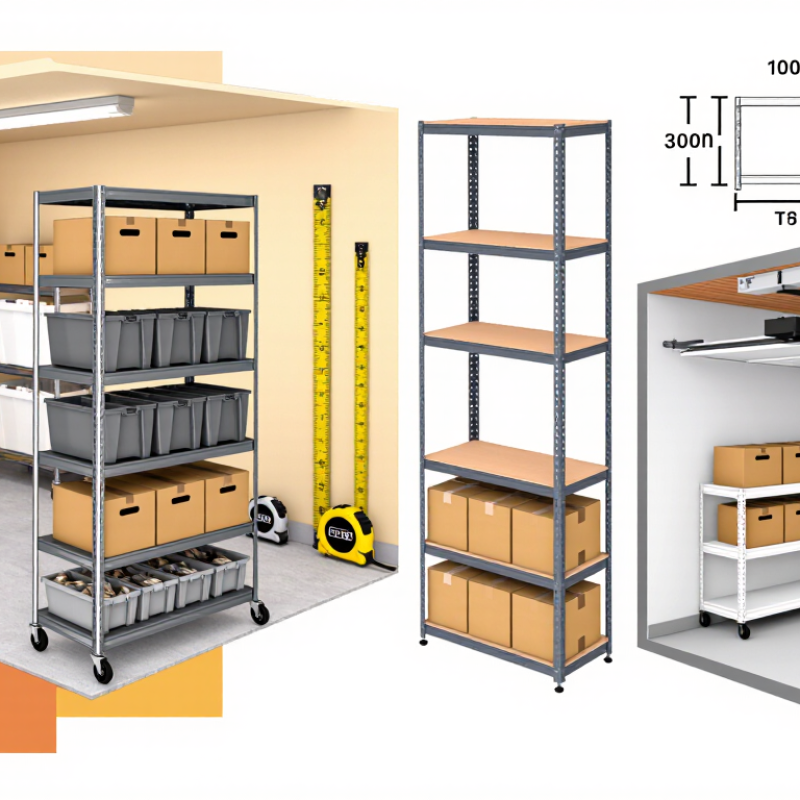
Start by deciding what the shelves will hold and where they will stand. Pantry jars, folded towels, and toolboxes create different demands. A shelf for light linens may not need the same capacity as one holding dense containers. Think about future use, too. Storage habits change.
Check the rated capacity for each shelf, not only the unit’s total capacity. Ratings usually assume weight is spread evenly across the surface. A heavy box placed at one edge can strain the wires and make the unit less stable. Leave a sensible margin below the stated limit, especially for items you handle often. Heavy loads shift.
Measure the items and note their approximate weights before comparing models. Then check shelf dimensions, spacing, and whether the unit can be anchored as directed. A tall rack holding heavy equipment may need extra stability. Don’t overlook the floor. Uneven tiles or a soft surface can affect balance, even when the shelves are correctly assembled. In humid areas, choose a finish suited to the conditions and inspect it occasionally for wear. Capacity numbers are useful, but real storage is rarely perfectly balanced. That detail is easy to miss.
Choosing wire shelving starts with the room, not the price tag. A dry pantry and a damp wash area place different demands on metal. For ordinary indoor storage, powder-coated steel offers a smooth surface that is easy to wipe clean. It works well for boxes, linens, and packaged goods. However, chips can expose the steel underneath. Check corners and cut ends after installation. Small detail, big difference.
In humid or frequently washed areas, stainless steel may resist corrosion better than damaged or unprotected coated steel. It usually costs more, and it is not stain-proof. Salt, cleaning chemicals, and standing moisture can still affect its surface. Match the steel grade and finish to the actual exposure, and follow the supplier’s care instructions. A shelf near a pool needs more thought than one in a bedroom closet.
Tips: Test a small material sample with the cleaner used on site, then check for discoloration or rough spots. Ask for the shelf’s load rating; a durable finish cannot make an overloaded unit safe. In a garage, coated steel may be enough if the area stays dry. Persistent condensation calls for more corrosion resistance. I would not judge by appearance alone. A week of humidity checks can reveal what one damp morning cannot.
Choosing wire shelving starts with the items, not the rack. Measure the largest carton, including handles or protruding parts, and add enough clearance to lift it without scraping the shelf above. A practical starting point is 2–3 inches of vertical clearance, adjusted for how items are handled. For bins, measure the bin itself; small gaps can make a neat plan frustrating in daily use.
Check shelf depth against the stored load, then confirm each shelf’s rated capacity and whether that rating assumes evenly distributed weight. Keep heavier objects low and spread them across the shelf. The U.S. Bureau of Labor Statistics reported 4.8 recordable injury cases per 100 full-time workers in warehousing and storage in 2022, compared with 2.7 across private industry. That figure does not prove shelving caused injuries, but it underlines the value of accessible, stable layouts. Leave clear access for workers and carts, and avoid placing frequently used items overhead. Measure the actual aisle, not just the floor plan. A few inches matter. Recheck the layout after loading; real cartons rarely match the tidy dimensions on a product sheet.
Adjustability matters when the contents of a shelf change over time. Check whether each shelf can move in small increments and lock securely into place. A shelf holding tall detergent bottles needs different spacing from one holding folded towels. Measure your largest items before choosing a unit. Otherwise, you may end up with awkward gaps.
Mobility can help when you clean beneath shelves or rearrange a work area. Locking casters keep a loaded unit from drifting, but wheels do not make every shelf safe to move. Check the rated capacity, including the weight of the shelves themselves, and consider how flooring affects stability. On uneven tile, even a sturdy unit may wobble. That matters.
Installation requirements deserve an equally close look. Some wire shelving assembles with basic hand tools; other setups need wall anchors or careful leveling. Read the instructions and confirm the required clearances before buying. A tape measure and level can prevent a frustrating return trip. I would not assume a wall is perfectly straight, either. It often isn’t. Consider where the unit will stand, how it will be secured, and whether you can assemble it without blocking a doorway.
Compare typical adjustability, mobility, and installation effort across common wire shelving setups.
Scores are general planning ratings from 1 (low) to 5 (high), not product specifications. A higher installation-effort score means more work is typically required. Configurations vary; check shelf load ratings and mounting requirements before purchasing.
Safety starts with matching the shelf to its real job. Check the stated load limit for each shelf, not just the unit as a whole. A box of books puts weight in one place; it does not spread like folded towels. Keep heavy items low, distribute weight evenly, and use the specified clips or locks. Check that posts sit level and that welds, edges, and connectors show no damage. A small wobble matters.
Durability depends on both construction and surroundings. In a dry closet, a coated steel finish may hold up well; damp rooms call for closer attention to corrosion protection. Look for chipped coating, thin-feeling wires, or joints that flex under ordinary pressure. These clues are not a substitute for a rated capacity, but they can prompt a closer inspection. More metal does not always mean a better fit.
Maintenance is modest, but easy to neglect. Wipe dust and spills before they collect around corners, then check connections periodically, especially after moving the unit. Replace damaged parts rather than improvising a repair. One common mistake is choosing shelves for appearance alone. I would also consider whether the spacing suits the objects stored; adjustable shelves help, though frequent changes can loosen connections over time. Don’t overload them.
Check the rating for each shelf, not just the unit’s total capacity. Keep a margin below the stated limit. Real loads rarely sit perfectly evenly.
Yes. Spread heavy items across the shelf instead of placing a dense box at one edge. Heavy loads can shift.
Measure the largest carton, including handles or protruding parts. Check shelf depth, spacing, and the available floor area. A few inches matter.
Two to three inches is a practical starting point. Leave more room if you need to lift bins or cartons frequently. Tight gaps get frustrating.
Keep them low and spread them across the shelf. Store frequently used items within easy reach, rather than overhead. It is easy to overlook this.
Yes. Uneven tiles or soft flooring can affect balance. Follow the unit’s anchoring directions, especially for a tall rack holding heavy equipment.
In humid areas, choose a finish suited to those conditions. Check it occasionally for wear. I might forget that check, so a reminder helps.
Yes. Actual cartons may differ from product-sheet dimensions. Check aisle and cart access after loading, then adjust the layout if needed.
Choosing the best Wire Shelving starts with understanding what it needs to hold and how much weight it must support. Consider whether the shelves are intended for light household items, bulky supplies, or heavier equipment, and choose a suitable material and finish for the surrounding conditions. Dimensions, shelf spacing, and the overall layout should fit both the items being stored and the available space.
Also consider how easily the shelving can be adjusted, moved, and installed. A flexible configuration can adapt as storage needs change, while a stable design helps keep items secure. Before making a choice, check the construction, load guidance, and maintenance requirements. Selecting shelving that suits its environment and intended use can help ensure reliable performance and make it easier to keep the storage area organized over time.

AomeRack