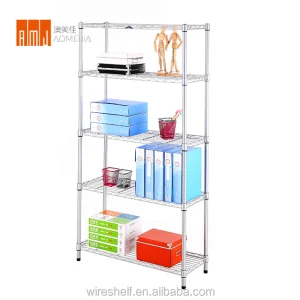
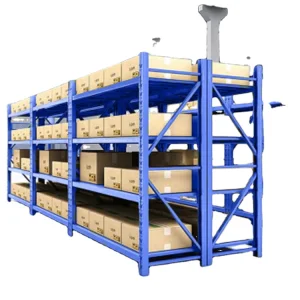
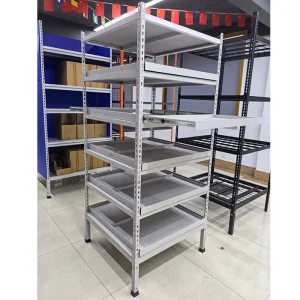
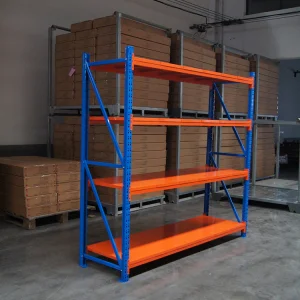
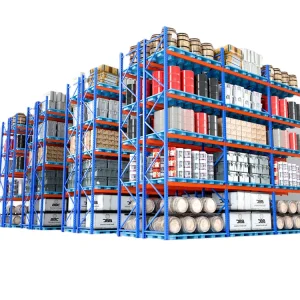
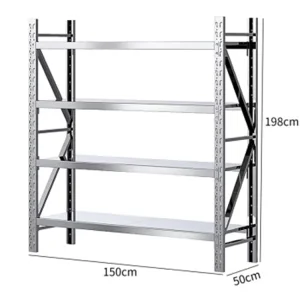
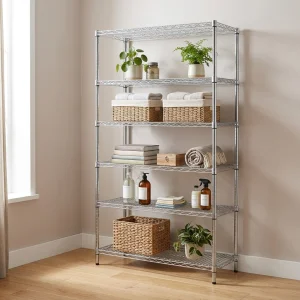
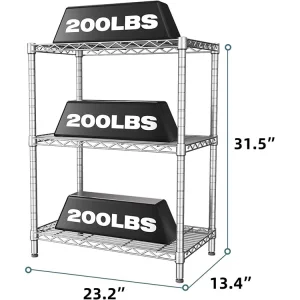
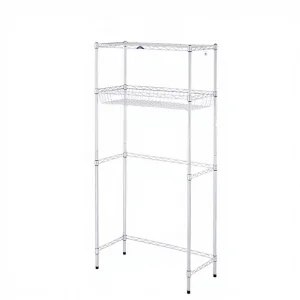
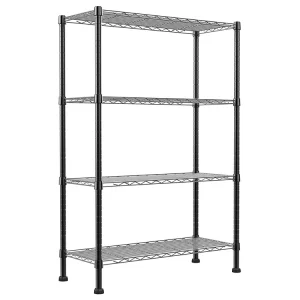
Engineered for high-density logistics centers, robotic fulfillment, and heavy-duty manufacturing environments.
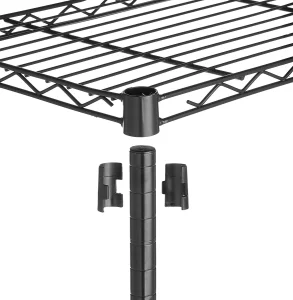
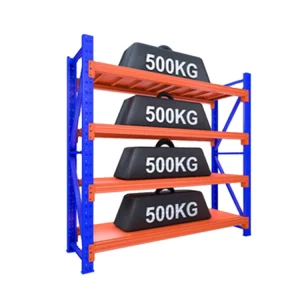
In the modern era of high-throughput distribution, the demand for adaptable, high-capacity, and micro-tolerance storage architectures has transformed wire shelving from static storage commodities into precision-engineered assets. Global procurement officers must look beyond simple raw material costs to analyze structural design, mechanical deflection indices, and system compatibility, particularly regarding automation integrations such as Automated Guided Vehicles (AGV) and Autonomous Mobile Robots (AMR).
As a leading force among specialized suppliers and exporters, we recognize that wire shelving is no longer just a structural accessory but the backplane of operations in electronic cleanrooms, food processing cold-chains, and e-commerce distribution nodes. This document serves as an exhaustive structural analysis and supply chain guide, evaluating the engineering advantages of Chinese manufacturing clusters and demonstrating how advanced layout planning mitigates operational bottlenecks.
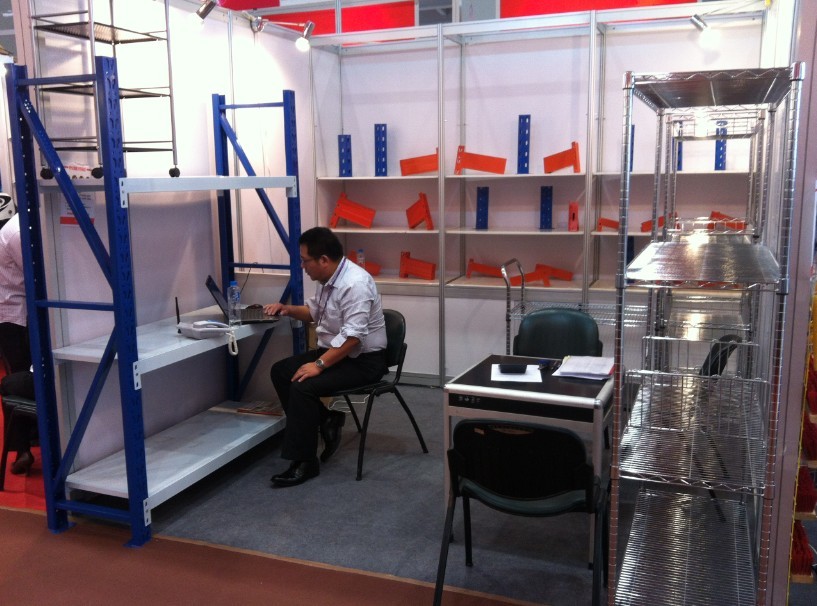
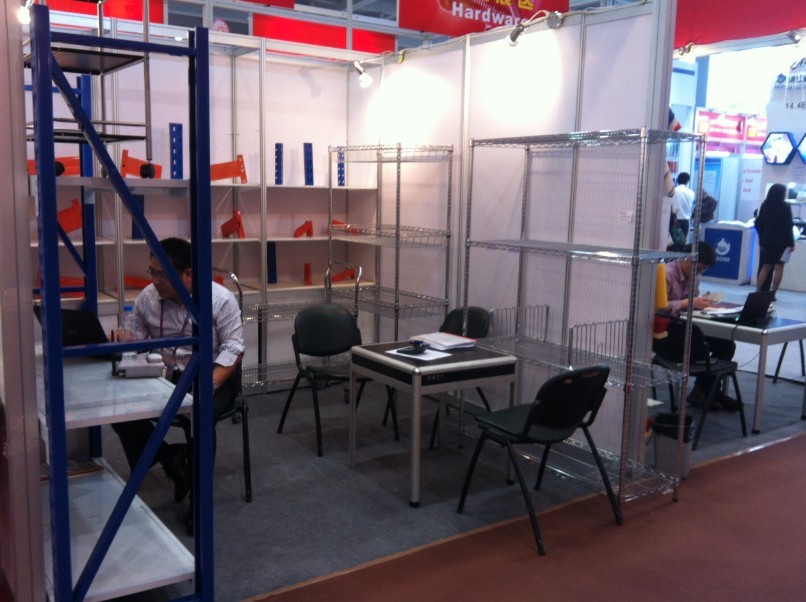
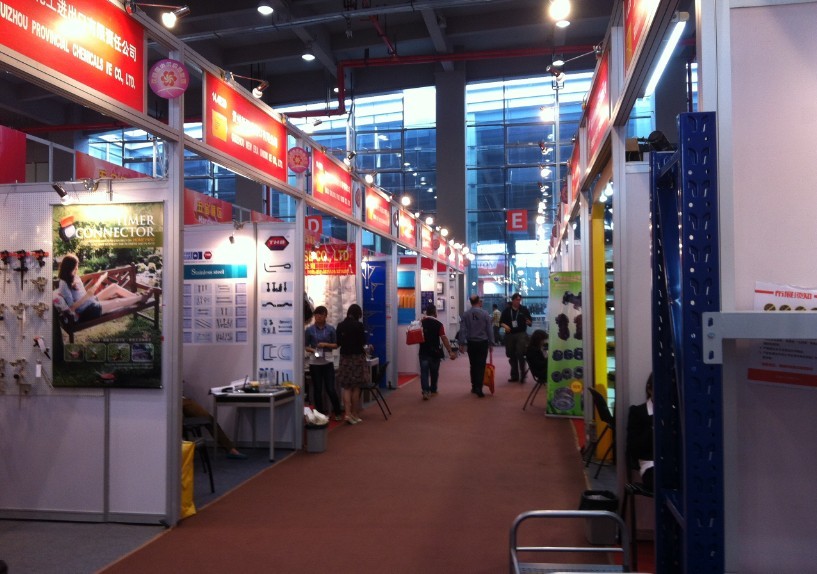
The global dominance of Chinese metallic storage manufacturing is not merely a consequence of cost efficiency; it is driven by deep industrial integration, raw material availability, and highly optimized supply-chain ecosystems. In provinces like Guangdong, manufacturers operate in close proximity to massive steel production centers, ensuring direct access to premium Q195 and Q235 carbon steel. This geographic configuration enables rapid customization cycles and immediate structural prototyping.
By leveraging certified domestic steel mills, producers guarantee carbon and manganese ratios that exceed ASTM standards. This limits micro-structural brittle areas in cold-drawn wire grids, preventing sudden shear failure under static load capacities.
Automated mesh welding arrays execute simultaneous multi-point resistance welds. This maintains consistency in structural joints, guaranteeing that localized pressure is distributed equally across the horizontal trusses.
From NSF-certified chrome plating lines to eco-friendly polyester powder coatings, surface treatments are applied in temperature-controlled, electrostatic environments to guarantee maximum adhesion and prevent early oxidation.
Established in 2016, Guangdong Aomeijia Metallic Products Co., Ltd. has developed into a premier manufacturer of high-precision warehouse storage racks, heavy-duty industrial shelving, pallet racking arrays, and bespoke metal containment systems. Operating from a state-of-the-art 28,000㎡ production complex, we combine automated design and advanced metallurgy to support supply chains worldwide.
With an annual export capitalization reaching approximately US$18 million, our operations are backed by 8 years of dedicated export experience and 12 years of industry experience in the warehouse storage and material handling fields. We maintain a robust quality management framework aligned with ISO protocols, verifying material composition, mechanical properties, and structural tolerances at every stage of fabrication.
Every shipment of steel wire coils and structural sheets undergoes tensile stress testing and dimensional validation before entering the production lines. Carbon, manganese, and phosphorus levels are checked to guarantee consistent performance.
Precision hydraulic bending machines and synchronized spot-welding robots assemble wire decking and shelving components. Weld penetration and mechanical pull-tests are regularly conducted to prevent structural joint fatigue.
Finished components are subjected to physical stress testing using specialized hydraulic press systems. Our surface coating validation includes salt spray testing and electronic dry-film thickness gauges to confirm corrosion resistance.
A specialized QA team consisting of 45 professional inspectors verifies overall dimensional tolerances, loading limits, and nesting compliance. All orders are packed using custom pallets to prevent scratching and denting during sea transit.
Guangdong Aomeijia Metallic Products Co., Ltd. works in partnership with more than 1,200 supply chain partners globally. This collaborative network guarantees a steady supply of raw materials, stable cost management, and rapid order fulfillment. Our R&D department, composed of 18 experienced engineers, releases approximately 120 new products and optimized storage solutions each year, ensuring our clients stay ahead in a changing industrial landscape.
Industrial shelving must meet the functional demands of its operating environment. Choosing the right steel grade, wire layout, and coating is key to preventing system failures, contamination, and premature oxidation.
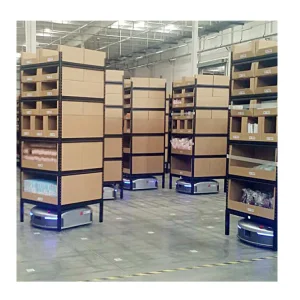
In highly automated distribution hubs, wire shelving units act as mobile storage pods. We design these assemblies with micro-tolerance foot attachments and rigid frame geometry to ensure they interface reliably with robotic drive units, preventing structural shifting during sudden acceleration.
Standard finishes can peel and corrode under high-humidity conditions. Our cold-room shelving options feature zinc-chromate undercoats covered with thick electrostatic powder barriers to resist rust in temperatures down to -30°C.
Maintaining air cleanliness is essential in pharmaceutical and microelectronic production. Wire shelving's open design allows laminar airflow to move freely, minimizing dust accumulation and streamlining wipe-down procedures.
Answers to common structural and material questions from supply-chain directors and project managers.
Heavy-duty wire configurations, modular mobile shelving units, and cleanroom-compliant storage systems.
 AomeRack