How to Choose Longspan Storage Shelving for Your Warehouse?

Time:2026-09-11 Author:Liam
0%

Choosing Longspan Storage shelving is not simply a matter of selecting the tallest frame or the lowest price. A reliable decision begins with your warehouse reality. Measure the available floor area, ceiling height, aisle width, product weight, carton sizes, and handling equipment. A shelf that looks efficient on a drawing may restrict a forklift in daily operations.

Gwynne Richards, a warehouse management consultant and author, states, “A warehouse should be designed around the product, the process, and the people.” This principle fits Longspan Storage closely. Shelving should support fast picking, safe replenishment, clear stock visibility, and practical future changes. Adjustable beams can accommodate mixed carton sizes, while reinforced levels suit heavier boxes, tools, or components. Walk through the proposed layout with the people who use it every day. They often notice problems that a spreadsheet misses.

Small details matter.

Check beam capacity, deck material, bracing, access height, and floor condition before ordering. Consider how stock will move during busy periods, not only during a quiet inspection. A narrow aisle might save space, but it can slow every picking task. That trade-off is easy to underestimate. I have found that many storage plans appear complete until real cartons, ladders, and operators enter the picture. Leave room for imperfect habits and occasional oversized items. The best Longspan Storage solution balances capacity, safety, accessibility, and change. It may not be the most compact design. It should be the one your team can use confidently, consistently, and safely.
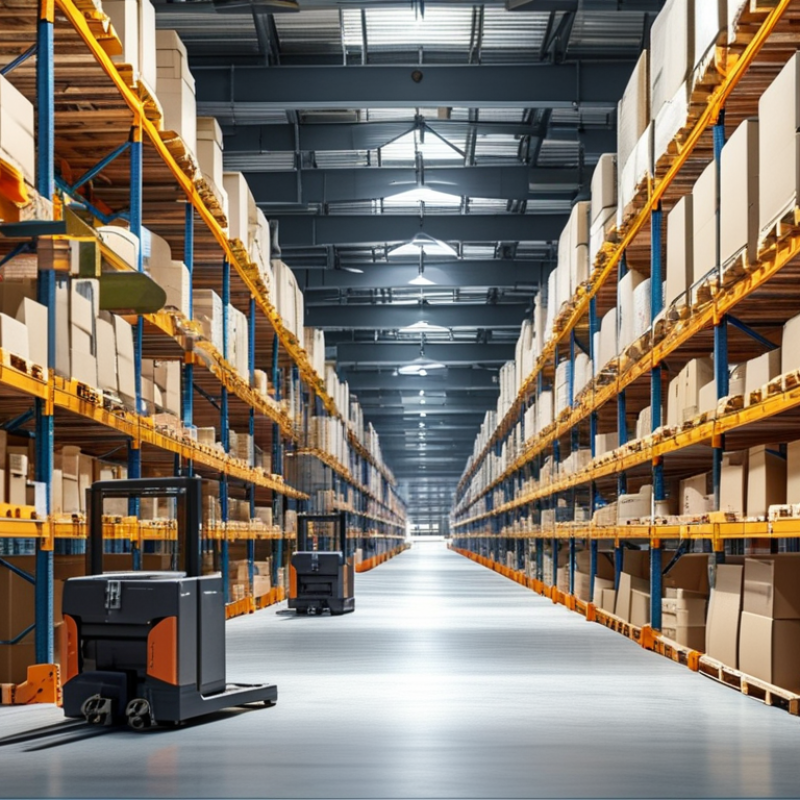
How to Choose Longspan Storage Shelving for Your Warehouse?

Assess SKU Loads, Dimensions, and Turnover Before Selecting Shelving

Choosing longspan storage shelving begins with the inventory, not the shelf appearance. List each SKU, its packed weight, carton size, and storage method. Use the heaviest realistic load, not the average. A 25-kilogram carton placed at shoulder height affects beam selection and handling comfort. Confirm each shelf’s rated capacity for evenly distributed loads. Check whether products rest on decks or shelves. This changes capacity calculations. Leave a margin for damaged cartons, seasonal stock, and measurement errors. Small errors multiply.


Dimensions must match actual movement. Measure product length, width, height, and clearance needed for picking. Add space for fingers, labels, and protective packaging. A shelf that fits cartons tightly may slow every order. Keep frames, beams, and access aisles suitable for site conditions. Columns, doors, sprinklers, and uneven floors can disrupt a neat plan. Mark one bay on the floor before ordering. It reveals problems drawings can hide.

Turnover should determine shelf position and access. Fast-moving SKUs belong between waist and chest during manual picking. Slow items can occupy higher or less convenient levels, where safe access is available. Separate replenishment paths from picking areas when possible. Review order history by week, not intuition alone. Forecasts can fail during promotions or seasonal demand. Recheck the layout after several weeks. A practical plan improves through observation, not pride.

Match Shelf Depths of 18–48 Inches to Carton and Tote Dimensions

How to Choose Longspan Storage Shelving for Your Warehouse?

Shelf depth should follow your cartons and totes, not a convenient standard. Measure the longest, widest, and tallest load before ordering.

An 18-inch shelf suits shallow cartons, small totes, and hand-pick items.

A 24-inch depth often supports medium cartons without wasting aisle space.

Deeper loads need careful handling.

For bulky cartons, 36-inch shelving provides better support and reduces overhang. A 48-inch shelf can hold large containers, but it may increase reach distance and hide labels.

Keep frequently handled totes near the front edge. Leave enough clearance for fingers and safe retrieval. Small gaps matter.

In warehouse projects, I have seen teams measure only one carton. That caused trouble when packaging changed. Measure several samples instead.

Confirm shelf width, beam spacing, and rated capacity with documented technical data.

Place heavier cartons on lower levels. Keep lighter totes above them.

Do not assume a deeper shelf always stores more efficiently. Sometimes it creates unused space.

Test one bay with real loads before expanding the system. Inspect shelves regularly for bent components, loose connections, or unstable loads.

A practical fit is better than a perfect drawing.

Plan 36–48-Inch Manual-Picking Aisles and 10–12-Foot Forklift Aisles

Longspan shelving works best when aisle width follows the task, not a convenient round number. For manual picking, plan 36–48 inches between rack faces. Thirty-six inches suits one picker with a small tote. Forty-eight inches gives safer elbow room and limited cart passing. Measure the loaded shelf, not the empty frame. Rack depth, carton overhang, and replenishment frequency change usable width. That detail is easy to miss.

OSHA 29 CFR 1910.176(b) requires clear, safe aisles, but it does not prescribe one universal dimension. ANSI/ITSDF B56.1 directs designers toward truck and load specifications. Use those specifications before ordering uprights. The U.S. Bureau of Labor Statistics recorded 1,069 fatal work injuries in transportation and material-moving occupations during 2023. This is not an aisle formula. It is a warning.

For forklifts, 10–12 feet is a practical planning range, not a guarantee. A counterbalance truck usually needs more room than a reach truck. Confirm turning radius, load length, mast height, and stacking angle with the equipment supplier. Mark the aisle on the floor and test a loaded turn. Do not test empty. WERC’s 2024 DC Measures report tracks labor, space, and order-cycle benchmarks, so record picking time and replenishment delays after installation. Operators often find efficient plans frustrating. Traffic is rarely symmetrical.

How to Choose Longspan Storage Shelving for Your Warehouse?

Plan manual-picking aisles at approximately 36–48 inches wide for safe pedestrian access and product handling. Forklift aisles generally require about 10–12 feet, depending on truck type, load size, turning radius, and local safety requirements. Confirm final dimensions with the equipment manufacturer and a qualified warehouse designer.

Maintain an 18-Inch Sprinkler Clearance in Line with NFPA 13

How to Choose Longspan Storage Shelving for Your Warehouse?

Longspan shelving should support efficient storage without reducing sprinkler performance. NFPA 13 commonly requires at least 18 inches of clearance between stored materials and sprinkler deflectors. The exact requirement can vary by system type, storage arrangement, commodity, and the adopted NFPA 13 edition. Confirm the details with a qualified fire protection professional and the local authority having jurisdiction.

Measure from the sprinkler deflector, not from the ceiling. Then mark the 18-inch limit on each shelving bay. Adjustable beams can help maintain this space as inventory changes. Open shelf levels may also reduce hidden obstructions, but they do not automatically guarantee compliance. Check load capacity, shelf depth, aisle width, and the distance between the highest carton and the sprinkler.

The weak point is often later overflow. A team may install compliant shelving, then stack cartons above the marked level during a busy season. Clear labels and regular inspections can prevent that mistake. Keep packaging stable and avoid storing loose materials near sprinkler discharge paths. Do not assume a taller frame creates better capacity. It may reduce clearance instead. A careful layout review, updated inventory limits, and documented inspections make the shelving choice more dependable. Local requirements still control.

Verify Load Ratings, Anchoring, and Stability under OSHA 1910.176(b)

How to Choose Longspan Storage Shelving for Your Warehouse?

Longspan shelving should begin with verified load ratings, not appearance. OSHA 1910.176(b) requires stored materials to remain stable and secure against sliding or collapse. Check the rated capacity for each level, bay, and upright frame. Confirm whether the rating assumes evenly distributed loads. A concentrated carton stack can overload one section quickly. Keep heavier items low. Never guess.

During a warehouse walk-through, inspect the floor, anchors, bracing, and connection points. Anchoring should match the shelving design, floor condition, and local engineering requirements. Verify that bolts are tight and that uprights sit fully on sound, level surfaces.

A small gap beneath one base can become a serious problem after repeated forklift vibration. Protect shelving from vehicle impact where practical. Damaged components need isolation and professional evaluation.

Use clear labels showing capacity, level limits, and inspection dates. Train workers to report bent frames, missing clips, and leaning shelves immediately. I have seen teams trust an old capacity label after changing the shelf spacing. That was a mistake. Recalculate the configuration after every modification. OSHA does not provide one universal shelf height or capacity, so rely on documented manufacturer data and a qualified assessment. Even careful layouts need review. Static loads are predictable; rushed loading is not.

FAQS

: How should I choose shelf depth for cartons and totes?

: Measure several cartons and totes before ordering. An 18-inch shelf suits shallow loads and hand-pick items. A 24-inch shelf fits many medium cartons. Use 36 inches for bulky cartons with less overhang. A 48-inch shelf holds large containers but increases reach distance. Deeper is not always better.

Why should I measure several samples?

Packaging sizes can change during operations. One carton may not represent the full inventory. Measure the longest, widest, and tallest samples. Record shelf width, beam spacing, and load weight. I have seen one measurement create expensive rework.

How much clearance should shelves provide for manual picking?

Plan roughly 36 to 48 inches between loaded shelf faces. Thirty-six inches suits one picker with a small tote. Forty-eight inches provides better elbow room and limited cart passing. Measure the loaded shelves, not empty frames. Overhang can quietly reduce usable aisle space.

What aisle width is suitable for forklift operations?

A 10- to 12-foot range is practical for many layouts. The exact width depends on the truck and load. Check turning radius, load length, mast height, and stacking angle. Mark the aisle and test a loaded turn. Empty tests can be misleading.

How should heavy and light items be arranged?

Place heavier cartons on lower shelf levels. Store lighter totes above them. Keep frequently handled totes near the front edge. Leave finger clearance for safe retrieval. Small gaps matter.

How much sprinkler clearance should be maintained?

Keep at least 18 inches between stored materials and sprinkler deflectors when required. Measure from the deflector, not the ceiling. Requirements may vary by fire system and local rules. Ask a qualified fire protection professional to confirm the layout. Local requirements control.

How can sprinkler clearance be protected during busy periods?

Mark the maximum storage height on every shelving bay. Use clear labels near the highest permitted level. Inspect for seasonal overflow and loose cartons. A compliant installation can become unsafe later. That part is easy to overlook.

What should be tested before expanding a shelving system?

Install and test one bay with real cartons, totes, and equipment. Check picking time, replenishment delays, turning space, and label visibility. Inspect bent parts, loose connections, and unstable loads. A perfect drawing can still fail. Practical fit matters more.

Conclusion

Choosing Longspan Storage shelving begins with understanding your warehouse’s inventory and operating needs. Assess each SKU’s weight, dimensions, packaging type, and turnover rate before deciding on a configuration. Shelf depths between 18 and 48 inches should match the size of cartons, totes, and other stored items, helping prevent wasted space and improving access. Fast-moving products may benefit from lower, more accessible levels, while slower-moving inventory can be positioned higher.

A safe layout is equally important. Allow approximately 36–48 inches for manual-picking aisles and 10–12 feet for forklift aisles, depending on equipment and workflow requirements. Maintain at least 18 inches of clearance below sprinkler systems in accordance with applicable fire-safety guidance. Before installation, verify that the shelving’s load ratings suit the intended use, and ensure every unit is properly anchored, stable, and protected from impact. Following recognized workplace-safety requirements supports reliable operation and helps reduce the risk of product damage or accidents.

Liam

Liam

Liam is a dedicated marketing professional with a profound expertise in the industry, where he excels at highlighting the unique advantages of our core products. With a keen understanding of market trends and consumer needs, Liam frequently updates our company’s professional blog, providing......