How to Source Drive-in Storage Globally in 2026?

Time:2026-09-21 Author:Charlotte
0%

How to Source Drive-in Storage Globally in 2026? The question is no longer about finding the lowest factory quotation. It is about securing safe, scalable, and serviceable Drive-in Storage across different markets. Buyers must compare steel grades, load ratings, corrosion protection, installation methods, lead times, and after-sales support. A low price can become expensive when panels arrive damaged or replacement parts take twelve weeks.

Industry reports show why careful sourcing matters. The Self Storage Association’s 2024 industry data describes continued demand for accessible storage in the United States, while the FEDESSA European Self Storage Annual Survey 2024 reports ongoing expansion across European markets. Global market estimates from Grand View Research also indicate long-term growth in self-storage services, although definitions and regional coverage vary. That difference deserves attention.

This guide connects these findings with practical procurement experience. It examines supplier verification, factory audits, sample testing, freight planning, and installation control. It also considers local climate conditions, from coastal humidity in Southeast Asia to freezing temperatures in Northern Europe. A reliable supplier should provide traceable material certificates, clear drawings, realistic production schedules, and documented quality checks.

No sourcing plan is perfect. Market reports can conflict. Freight rates can change quickly. Even experienced buyers may overlook local maintenance needs. Therefore, the 2026 approach should combine published evidence with direct supplier conversations and physical product inspection. The goal is not simply to buy storage equipment. It is to build a dependable operating asset with measurable performance, transparent costs, and fewer surprises.
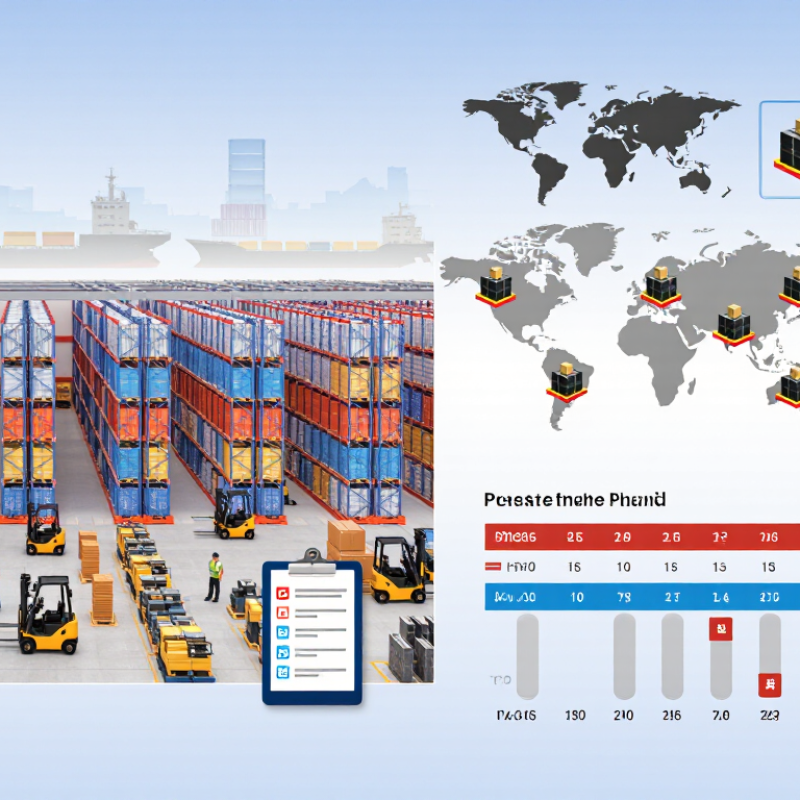
How to Source Drive-in Storage Globally in 2026?

Defining Drive-in Storage and Its Global Applications in 2026

Drive-in storage is a high-density pallet system where forklifts enter deep storage lanes. Pallets rest on rails, reducing the need for individual aisle access. Unlike selective racking, it follows a last-in, first-out flow in most layouts. This design suits goods with similar product codes and limited daily picking.

In 2026, global applications include cold stores, food distribution, beverage warehouses, and manufacturing plants. A refrigerated facility may use drive-in lanes for frozen cartons with controlled expiry dates. A regional warehouse can store seasonal packaging while preserving valuable floor space. Dust, humidity, seismic activity, and temperature changes require different steel finishes and protection details.

Reliable sourcing starts with verified load calculations, pallet dimensions, forklift clearance, and local installation requirements. Buyers should request drawings, material specifications, inspection records, and traceable quality documents. Clear communication matters when converting measurements between metric and imperial systems. Small errors become expensive.

Drive-in storage is not ideal for fast-moving goods with many product variations. It can also limit stock rotation and create difficult access during urgent picking. I have seen layouts look efficient on paper but perform poorly beside real forklift traffic. A site trial, safety review, and maintenance plan can reveal these weaknesses before production begins. Simple testing helps.

Mapping International Demand, Suppliers, and Regional Market Differences

Global demand for drive-in storage is linked to warehouse density, pallet uniformity, and land costs.

The 2024 MHI Annual Industry Report found that 83% of surveyed supply-chain professionals planned to increase technology investment. That pressure also supports higher-density storage systems. Still, drive-in racks are not suitable for every operation.

Demand differs sharply by region. In Western Europe, expensive industrial land encourages compact layouts and deep-lane storage. In North America, wider facilities often support selective and drive-in combinations. Southeast Asia is growing quickly, but humidity, floor quality, and uneven pallet standards can change the specification. The World Bank’s Logistics Performance Index 2023 also shows wide differences in infrastructure reliability between markets. This affects delivery planning and installation risk.

Supplier research should begin with load data, pallet dimensions, forklift clearance, and local seismic requirements.

Regional manufacturers may offer faster service and simpler replacement parts. International suppliers may provide stronger engineering documentation, but lead times can be longer. Ask for structural calculations, installation records, corrosion protection details, and warranty terms. Request references from warehouses with similar pallet turnover.

The numbers need caution. Market reports often group drive-in systems with broader warehouse racking categories. Their growth estimates are useful, but not precise enough for a purchase decision.

I would compare at least three quotations and inspect one completed site. Small design errors can create costly retrieval delays.

Setting Technical, Safety, and Sustainability Requirements

How to Source Drive-in Storage Globally in 2026?

Global sourcing should begin with measurable technical requirements, not attractive quotations. Define pallet dimensions, unit loads, beam levels, clear height, forklift turning radius, floor flatness, and allowable rack deflection. Request structural calculations for the target seismic zone and local loading conditions. EN 15635 supports documented inspections and safe use of steel storage equipment. However, one standard rarely covers every country. Confirm requirements with a qualified local engineer.

Safety needs practical testing. Specify upright protection, back stops, guided truck lanes, impact-resistant components, and clear load plaques. The International Labour Organization estimated 2.93 million work-related deaths globally in 2019, including occupational diseases. Small design omissions matter. A blocked inspection route can become a serious operational weakness. Require installation records, torque reports, operator training, and a planned inspection schedule. Ask for evidence, not promises.

Tips: Build a technical compliance matrix before requesting prices. Compare the same load case, steel grade, coating system, warranty scope, and replacement lead time. Include photographs of the actual warehouse floor and forklift model. Sustainability should also be measurable. The 2023 Global Status Report for Buildings and Construction found that buildings created 37% of global energy and process-related emissions in 2022. Request recycled-content data, environmental product declarations, powder-coating details, repairability, and end-of-life recycling plans. Steel is recyclable, but transport distance and unnecessary weight still affect impact. I would challenge “green” claims without third-party evidence. Procurement teams often overlook this.

Comparing Manufacturers, Costs, Certifications, and Delivery Options

Global sourcing for drive-in storage in 2026 requires more than comparing catalog prices. The rack must match pallet size, forklift clearance, load weight, and warehouse temperature. I usually request drawings, beam thickness, upright dimensions, and a sample load calculation before discussing volume. A low quotation can hide thinner steel, weaker welds, or expensive replacement parts.

Tips: Compare at least three manufacturers. Ask for factory photos, production records, and recent inspection reports. Verify ISO 9001 procedures, steel traceability, coating performance, and local structural certifications. Certification names vary by market, so confirm requirements with an independent engineer. Do not accept a certificate without checking its scope and validity.

Costs include tooling, packaging, inland transport, ocean freight, customs, installation, and future maintenance. A supplier may offer a competitive FOB price, but delivered cost can change sharply with port congestion or currency movement. For urgent projects, partial air freight may protect the schedule, though it rarely protects the budget. Sea freight is slower but better for heavy frames and rails. Door delivery simplifies coordination, yet import responsibilities must be written clearly.

I have seen projects delayed because drawings were approved too late. That mistake is easy to repeat. Request a production schedule with inspection dates, carton markings, spare parts, and delivery milestones. Include damage procedures and payment conditions in the contract. Sometimes, the cheapest offer is not wrong; it is simply incomplete.

Managing Global Procurement, Installation, and Long-Term Performance

How to Source Drive-in Storage Globally in 2026?

Global sourcing for drive-in storage starts with a clear operating brief. Define pallet dimensions, forklift type, load limits, temperature, and expected turnover. A warehouse in Rotterdam may need different corrosion protection than one in Singapore. Local engineering input matters. It can reveal seismic, fire, and building-code requirements before production begins.

Procurement should assess more than price. Review steel grades, welding procedures, coating thickness, inspection records, and replacement-part availability. Request drawings, load calculations, installation instructions, and quality certificates. Use independent inspections at key manufacturing stages. Our first cost model was too optimistic. Freight, port handling, local taxes, and site preparation changed the final budget. That mistake still influences how we compare suppliers.

Installation quality controls long-term performance.

The floor must be checked for level, strength, and anchor suitability. Installers should verify every frame, beam, guide rail, and protector against approved drawings. Take photographs before the aisles become inaccessible. Train operators to control entry speed and avoid striking uprights. Small impacts accumulate.

A practical maintenance plan includes monthly visual checks and scheduled structural inspections.

Look for bent components, loose anchors, damaged coatings, and uneven loading. Keep records by aisle and position. Replace damaged parts promptly, even when the system appears usable. Remote sites create delays, so critical components should be planned before commissioning. The difficult part is accepting that a low-maintenance system still needs disciplined attention.

FAQS

What drives international demand for drive-in storage?

Demand grows where industrial land is costly, warehouse space is dense, and pallets have consistent dimensions.

How do regional conditions affect system design?

Western Europe often favors compact layouts because industrial land costs are high.

What information should buyers provide suppliers?

Share pallet dimensions, load weights, forklift clearance, warehouse temperature, and local seismic requirements.

Should buyers choose local or international suppliers?

Regional suppliers may offer faster support and easier access to replacement parts.

Which documents should buyers request?

Request structural calculations, installation records, corrosion protection details, and warranty conditions.

How should manufacturers and quotations be compared?

Compare at least three manufacturers using the same load and pallet requirements.

What costs are often missed during global purchasing?

Consider tooling, packaging, inland transport, ocean freight, customs, installation, and future maintenance.

How can buyers reduce delivery and installation risks?

Request production schedules with inspection dates, carton markings, spare parts, and delivery milestones.

Conclusion

This guide explains how to source Drive-in Storage globally in 2026, beginning with its core design, operating principles, and applications across warehousing, manufacturing, cold storage, and high-density inventory environments. It examines how demand differs by region, including variations in warehouse layouts, product categories, labor conditions, climate requirements, and infrastructure, while also outlining how to evaluate international suppliers and regional capabilities.

The article then presents a practical framework for defining technical, safety, quality, and sustainability requirements before comparing manufacturers, total costs, certifications, production capacity, customization options, and delivery schedules. It also covers key procurement considerations, such as communication, documentation, transport planning, site preparation, installation coordination, staff training, inspection, and after-sales support. Finally, it emphasizes long-term performance through regular maintenance, load management, safety reviews, and continuous system evaluation, helping buyers achieve reliable storage capacity, operational efficiency, and responsible global sourcing results.

Charlotte

Charlotte

Charlotte is a seasoned marketing professional with a deep understanding of the company's portfolio and a passion for elevating its presence in the market. With a keen eye for detail and a commitment to excellence, she ensures that our professional blog is regularly updated with insightful articles......