Optimizing pallet storage is essential for businesses seeking efficiency in their operations. Efficient pallet storage can significantly reduce costs and enhance productivity. Using the right strategies, organizations can improve space usage and facilitate easier access to inventory.
To achieve optimal pallet storage, it is vital to consider various factors, such as layout and shelving designs. A well-structured storage solution minimizes wasted space and allows for better organization. Moreover, enabling easier access to pallets can streamline picking processes and reduce worker fatigue.
Reflecting on current practices may reveal inefficiencies. For instance, some facilities may overlook the importance of utilizing vertical space. Others might struggle with outdated equipment that hinders the flow of operations. By addressing these points, businesses can refine their approach to pallet storage, ultimately fostering a more productive work environment.
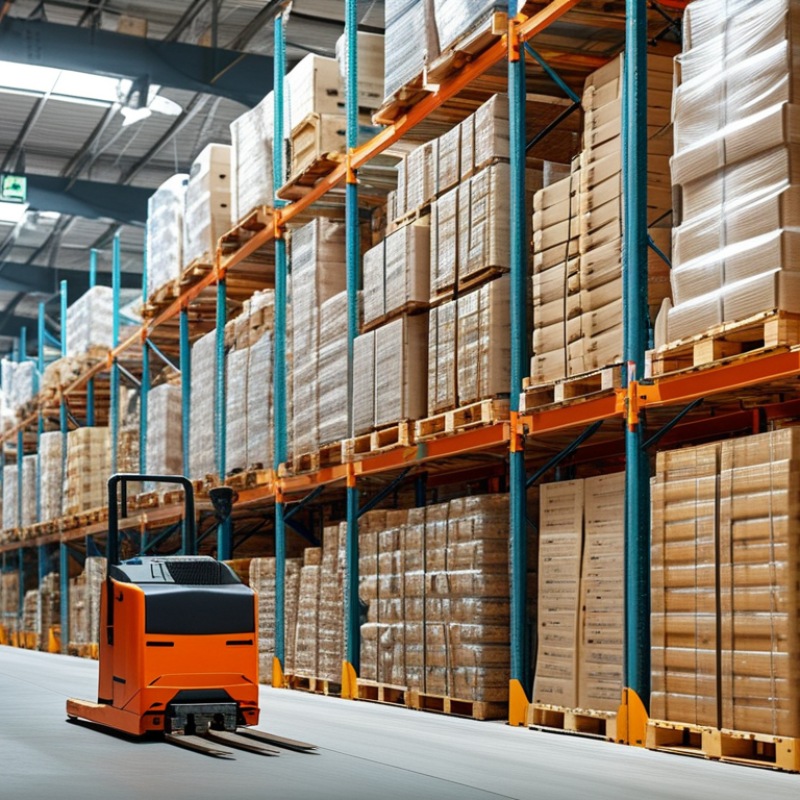
Pallet storage plays a pivotal role in warehouse operations. Many facilities underestimate its impact on overall efficiency. Research shows that optimizing pallet storage can improve space utilization by up to 30%. This statistic highlights the importance of understanding the principles behind effective pallet management.
Consider the layout of the storage area. A well-planned design can significantly reduce retrieval time. For instance, arranging pallets based on picking frequency can cut down on travel time. Statistics reveal that utilizing high-density storage systems reduces the footprint by nearly 25%. However, many warehouses still rely on outdated systems, which can lead to inefficiencies and increased labor costs.
One common oversight is the weight distribution on pallets. Inadequate weight management can lead to potential safety hazards. Reports indicate that improper stacking may cause up to 15% of pallet damage. Assessing the placement of heavy items can enhance stability and prolong the lifespan of both pallets and products. This reflection on pallet storage fundamentals emphasizes the necessity for continuous evaluation and adaptation in warehouse operations.
This chart illustrates the efficiency of different pallet storage methods. The data shows the average space utilization for single deep, double deep, and drive-in pallet racking systems. Efficient pallet storage directly correlates to maximizing warehouse space and enhancing operational productivity.
When assessing warehouse space for optimal pallet arrangement, efficient use of vertical and floor space is essential. Studies show that warehouses can improve storage capacity by up to 40% through proper pallet stacking techniques and layout planning. Utilizing stackable pallets can maximize vertical space and minimize the overall footprint required for raw materials or finished goods. It's vital to analyze the pallet sizes and weights, as differing dimensions can impact stability and the ability to stack.
Consider your warehouse layout. Aisle width plays a crucial role in overall efficiency. Research indicates that reducing aisle space by just 10% could increase pallet storage by around 25%. However, if aisles are too narrow, accessibility and safety may be compromised. Regular evaluations of aisle widths and shelving arrangements can reveal inefficiencies. This is an area that often requires reflection; warehouse staff may resist changes due to familiar routines.
Additionally, assessing the flow of goods can help in optimizing pallet arrangements. The principles of Lean Warehousing highlight that a logical flow reduces travel time and enhances productivity. Many warehouses still struggle with this aspect, leading to bottlenecks. Understanding how products move in and out allows for a strategic layout that aligns with operational needs, ultimately driving efficiency.
Implementing advanced pallet racking systems can significantly enhance storage efficiency. One effective method is to use selective pallet racking. This system allows easy access to each pallet while maximizing vertical space. High-density options, like drive-in or push-back racking, can also optimize storage. These methods increase capacity while ensuring safety remains a priority.
Regularly evaluating your racking setup is essential. Space usage may change as inventory fluctuates. Outdated or poorly configured systems can lead to inefficiencies. Take time to assess aisle widths, shelf heights, and load configurations. Aim to streamline paths for picking and restocking.
Incorporate technology for smarter inventory management. RFID tagging lets you track pallets with precision. This can help identify slow-moving items, allowing for better space allocation. Always monitor your operational flow. Identify bottlenecks and address them promptly. Keeping your system agile can lead to long-term efficiency gains.
Optimizing pallet storage is crucial for efficient inventory management. One effective technique involves categorizing items based on demand. High-demand products should be easily accessible. This minimizes retrieval time and improves workflow. Consider implementing a systematic approach to organize pallets. Keeping frequently used items at eye level enhances picking efficiency.
When optimizing space, remember to regularly review your inventory. Outdated or slow-moving products can take up valuable space. Dispose of or discount these items to make room for faster-moving goods. This helps maintain a lean and efficient storage operation.
Consider using a warehouse management system (WMS) to track inventory levels. A WMS can provide insights into stock movement and help forecast future needs. This data drives informed decisions about pallet storage. Analyzing patterns allows for continuous improvement and resource allocation. Regularly assess workflows based on these insights to foster an environment of efficiency.
Automation in pallet handling has become increasingly important for maximizing storage efficiency. According to a 2022 report by the Material Handling Industry of America, 55% of companies utilizing automated systems reported significant improvements in operational speed. Automated solutions reduce human error and increase safety, which are critical factors in high-volume warehouses. Choosing the right system can mean the difference between a slow process and a well-oiled operation.
Implementing technologies like automated guided vehicles (AGVs) and pallet shuttles can streamline workflow. A study by McKinsey & Company found that warehouses using automation achieved up to 25% higher efficiency in pallet management. This can lead to better space utilization and faster order fulfillment times. However, a transition to automation comes with challenges. Initial costs can be high, and integrating new systems with existing workflows can be complex.
Moreover, understanding your specific needs is essential. Not every warehouse will benefit equally from automation. Many operations still rely on manual processes, which can be optimized before considering a shift to technology. Evaluating automation solutions thoroughly ensures that you invest wisely and gain maximum benefit from the changes. Balancing automation with manual labor might provide the best results in some scenarios.
: Pallet storage significantly impacts warehouse efficiency and can improve space utilization by up to 30%.
A well-planned layout, with pallets arranged by picking frequency, can significantly reduce travel time during retrieval.
Incorrect weight distribution can create safety hazards and lead to up to 15% pallet damage due to improper stacking.
Assess the placement of heavy items to improve stability and prolong the lifespan of pallets and their contents.
Categorize items by demand. Position high-demand products easily accessible to minimize retrieval time and enhance workflow.
Regularly reviewing inventory helps identify outdated products. Disposing or discounting them frees up space for faster-moving goods.
A WMS tracks inventory levels and provides insights into stock movement, helping to forecast future needs for improved decision-making.
Consider disposing or discounting slow-moving items to maintain a lean, efficient storage operation.
Analyzing inventory patterns allows for ongoing adjustments and resource allocation, fostering efficiency.
Continuous evaluation and adaptation in pallet management are crucial to prevent outdated practices from hindering efficiency.
Optimizing pallet storage is essential for enhancing operational efficiency within a warehouse environment. To achieve maximum effectiveness, it is crucial to understand the fundamentals of pallet storage, including the arrangement and utilization of available warehouse space. Assessing the layout allows for the strategic placement of pallets, which can significantly improve accessibility and workflow.
Implementing advanced pallet racking systems can further streamline storage processes, offering flexibility and maximizing vertical space. Additionally, employing effective inventory management techniques can enhance the organization and retrieval of stored items. As warehouses increasingly look towards automation, integrating advanced solutions for pallet handling can lead to more efficient operations, reducing manual labor and minimizing errors. Overall, a comprehensive approach to optimizing pallet storage encompasses careful planning, innovative systems, and smart management practices.

AomeRack