What Are the Top Boltless Systems for Global Buyers?

Time:2026-09-16 Author:Ethan
0%

Choosing the right Boltless Systems can shape warehouse safety, labor costs, and future expansion. Global buyers need more than attractive prices or quick delivery. They must compare load capacity, steel thickness, connector design, corrosion protection, and assembly instructions. A shelf that works in a dry showroom may struggle in a humid coastal warehouse. Small details matter.

My evaluation begins with real operating conditions. I look at pallet weight, carton dimensions, aisle width, ceiling height, and expected handling frequency. Adjustable rivet shelving suits many retail and storage environments. Clip-in systems can reduce installation time. Heavy-duty boltless racks may support larger loads when properly configured. However, product names can be inconsistent between suppliers. Buyers should request engineering drawings, tested load ratings, material specifications, and clear warranty terms.

I once treated easy assembly as the strongest advantage. That view was too narrow. A fast installation means little if beams twist under uneven loading or replacement parts are unavailable. Reliable manufacturers provide inspection guidance and respond with practical technical support. Independent testing, traceable certificates, and documented quality controls also strengthen purchasing decisions. Regional standards may differ, so local compliance should be verified by qualified professionals before installation.

There is no universal winner.

This guide compares leading Boltless Systems for international purchasing teams. It considers durability, flexibility, installation effort, safety documentation, and long-term value. The goal is not to promote one design blindly. It is to help buyers choose a system that fits their facility, workforce, climate, and growth plans. Mistakes remain possible, especially when site measurements are incomplete. Careful verification is still essential.
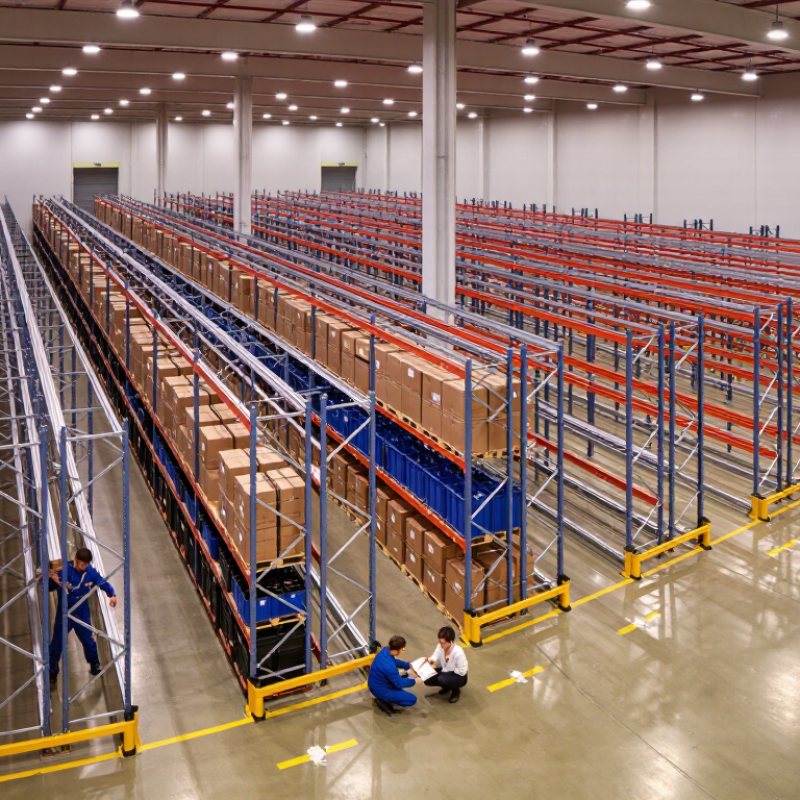
What Are the Top Boltless Systems for Global Buyers?

What Are Boltless Storage Systems and How Do They Work?

Boltless storage systems use interlocking steel parts instead of welded joints or traditional bolts. Uprights contain punched slots, while beams or shelves lock into place with rivets, tabs, or clips. A rubber mallet often completes the assembly. No specialist installer is usually required.

Common systems include rivet shelving, clip-in shelving, and slot-and-tab frames. Rivet shelving suits cartons and medium loads. Clip-in designs allow quicker shelf adjustment. Slot-and-tab systems can support modular bins, platforms, and work surfaces.

In real warehouses, I have seen these systems reduce setup time, especially when stock levels change weekly. However, “boltless” does not mean maintenance-free.

Uneven floors, overloaded shelves, or poorly seated beams can create instability. Load ratings must be checked at every level.

Tips: Measure aisle widths first. Confirm local load and fire-safety requirements. Choose corrosion-resistant finishes for humid areas. Label each shelf clearly. Test one bay before ordering hundreds.

Global buyers should also inspect packaging quality, replacement-part access, and assembly instructions. A low purchase price may become expensive when spare components are unavailable.

I would not assume one design fits every country or warehouse. Temperature, labor practices, pallet sizes, and delivery routes can change the practical choice.

Which Boltless System Types Suit Different Global Applications?

Boltless systems suit different applications because their connections, load ratings, and adjustment methods vary. Rivet shelving works well in warehouses storing cartons, tools, and spare parts. Its upright frames assemble quickly with a rubber mallet, reducing installation time. Clip-in shelving is useful for offices, archives, and retail backrooms. Shelves can be repositioned without drilling, which helps when inventory changes frequently.

Longspan boltless racks support wider loads, such as furniture panels, fabric rolls, and maintenance equipment. They need deeper beams and stronger decks than light-duty shelving. For small workshops, slot-in systems provide practical storage for bins, hand tools, and labeled containers. In humid regions, buyers should consider galvanized or powder-coated components. However, coating quality alone does not guarantee corrosion resistance. Local moisture, cleaning chemicals, and ventilation also matter.

Mobile boltless systems can increase storage density in archives or compact stockrooms. They require smooth floors and careful attention to operating clearance. A narrow aisle may save space but slow daily picking. Field inspections often reveal another issue: buyers select a frame by appearance, then exceed its rated load with uneven boxes. Load tables, connection details, and floor capacity deserve review before purchase. I have also underestimated how quickly adjustable shelves become inconvenient when staff lack clear layout rules. A simple location label can prevent repeated handling. Global buyers should verify dimensions, test methods, assembly instructions, and replacement-part availability before ordering.

Top Boltless Systems for Global Buyers

Suitability scores reflect common application requirements such as load flexibility, assembly speed, adjustability, hygiene, and mobility. Higher scores indicate a stronger fit for the application.

How Should Buyers Compare Load Capacity, Materials, and Configurations?

When comparing boltless systems for global use, load capacity should be the first measurable filter. Check the rating for each shelf, not only the entire unit. A shelf rated for 900 kilograms may require evenly distributed weight across its surface. Concentrated loads can bend beams or damage panels. Review the safety factor, testing method, and upright spacing. These details often differ between suppliers. In practical warehouse assessments, I also check floor conditions, pallet movement, and the possibility of future load increases. A strong frame is useless if the floor cannot support it.

Material choice affects service life and maintenance. Powder-coated steel suits most dry warehouses and offers a clean, durable surface. Galvanized steel performs better where humidity, condensation, or outdoor exposure is expected. Stainless steel is useful in demanding environments, but its higher cost needs practical justification. Inspect coating thickness, weld quality, edge finishing, and corrosion test evidence. Small defects matter.

Configuration determines how efficiently the system fits real work. Adjustable shelves support changing carton sizes, while open designs improve visibility and airflow. Closed panels provide better protection from dust but can slow picking. Consider bay width, shelf depth, aisle clearance, and expansion plans. Slot connections usually allow faster assembly, yet they may feel less stable if poorly aligned. I would recheck every joint after installation. That step is easy to overlook. Global buyers should also confirm local load standards, installation guidance, replacement-part access, and clear documentation in the working language.

What Safety, Quality, and Compliance Standards Should Buyers Check?

Global buyers should examine safety evidence before comparing price or assembly speed. A boltless system must show its rated load for each shelf level, not just a maximum total capacity. Check whether the rating assumes evenly distributed weight, a specific bay width, and a fixed floor condition. Fit matters. Ask for independent test reports, structural calculations, and clear installation instructions.

Quality checks should cover steel thickness, weld consistency, connector engagement, and coating performance. Inspect sample parts for sharp edges, loose joints, and bent uprights. In humid warehouses, request corrosion-test results and confirm the coating process. ISO 9001 certification can support process control, but it does not prove that one shipment is defect-free. Batch numbers and material certificates improve traceability. Do not guess.

Compliance depends on the installation country and the system’s use. Buyers should identify applicable storage, workplace, fire, and product-safety requirements before ordering. For industrial racking, standards such as EN 15512 and EN 15635 may be relevant, while lighter shelving can follow different requirements. A supplier should explain the exact scope of each certificate. Be cautious with vague claims like “globally certified.” They often need closer inspection. Installation training, inspection schedules, replacement-part access, and load labels also matter. A tidy display unit can hide weak tolerances. That is where careful buyers should slow down.

How Can Global Buyers Evaluate Suppliers, Costs, and Logistics?

What Are the Top Boltless Systems for Global Buyers?

Global buyers should evaluate boltless systems through supplier reliability, total cost, and delivery performance. A strong supplier provides clear steel grades, load ratings, connection details, and inspection records. Ask for installation samples before placing a large order. A small warehouse test can reveal unstable joints, sharp edges, or confusing instructions.

Do not compare prices by unit alone. Include packaging, tooling, inland transport, ocean freight, insurance, duties, and replacement parts. Request a full landed-cost worksheet with currency assumptions and delivery terms. Suppliers with stable production schedules usually reduce delays, but promises still need evidence. Check factory capacity, quality controls, export experience, and references from similar markets. Video audits help, although they cannot replace physical inspection.

Tips: Measure your available space twice. Confirm pallet sizes and container loading plans. Test the system under realistic warehouse conditions. Keep written specifications, approved drawings, and tolerance limits. One overlooked detail can create expensive rework. I have seen buyers focus on a low quotation and miss packaging damage costs. That mistake is easy to repeat. Also, logistics estimates can change with seasons, port congestion, and incomplete documents. Build a reasonable buffer instead of trusting the fastest forecast. Suppliers should answer questions directly, record changes, and explain corrective actions when problems occur. That behavior often reveals more than a polished sales presentation.

FAQS

What is a boltless storage system?

It uses punched steel uprights and interlocking beams, shelves, tabs, rivets, or clips. Traditional bolts and welding are usually unnecessary. A rubber mallet may finish the assembly. Simple, but not effortless.

How does a boltless shelf remain stable?

Beams lock into upright slots through rivets, tabs, or clips. Each connection must be fully seated before loading. Uneven floors, overloaded shelves, and loose connections can cause instability.

Which system suits cartons and spare parts?

Rivet shelving suits cartons, tools, and medium-weight spare parts. It assembles quickly and works well in changing warehouse layouts. Check every shelf’s load rating.

When is clip-in shelving a practical choice?

Clip-in shelving suits offices, archives, and retail backrooms. Staff can reposition shelves without drilling. This helps when storage needs change often.

What storage system works for wide or bulky items?

Longspan systems support furniture panels, fabric rolls, and maintenance equipment. They need deeper beams and stronger decks than light-duty shelving. Wide shelves still require balanced loading.

Are boltless systems suitable for humid areas?

They can work in humid areas with suitable corrosion-resistant finishes. Galvanized or powder-coated parts may help. Moisture, cleaning chemicals, and poor ventilation still matter.

What should buyers check before ordering a large quantity?

Measure aisle widths, shelf depths, floor conditions, and available clearance. Test one complete bay before ordering hundreds. Also inspect packaging, instructions, spare parts, and replacement access.

Can mobile boltless storage increase warehouse capacity?

Mobile systems can increase density in archives and compact stockrooms. They need smooth floors and safe operating clearance. Narrow aisles save space, but picking may become slower. I would not assume maximum density means better daily work.

Conclusion

Boltless Systems offer flexible, tool-free storage solutions that use interlocking frames, beams, and shelves to create stable structures without bolts or complex installation. Their modular design makes them suitable for warehouses, retail spaces, workshops, offices, garages, and other global applications. Buyers can choose configurations such as shelving, racks, workstations, or multi-level storage according to available space, item size, access needs, and expected load.

When comparing options, global buyers should assess load capacity, steel quality, surface treatment, shelf materials, adjustability, durability, and ease of expansion. Safety should remain a priority, including structural stability, balanced loading, protective edges, clear assembly instructions, and relevant quality or compliance documentation for the target market. Supplier evaluation should cover manufacturing consistency, customization capability, product testing, communication, packaging, lead times, shipping methods, duties, and after-sales support. A complete cost comparison should consider both purchase price and long-term value, helping buyers select a reliable system that performs safely and efficiently across different operating environments.

Ethan

Ethan

Ethan is a seasoned marketing professional with a deep expertise in our company's innovative product line. With a passion for sharing knowledge and insights, he takes the lead in regularly updating our corporate blog, where he explores industry trends, product features, and effective marketing......