China’s Stacking Systems market is becoming more important as warehouses pursue higher density, faster order handling, and safer material movement. Racks, stacker cranes, pallet shuttles, and integrated warehouse software now work together. The details matter. A poorly matched conveyor speed can create bottlenecks beside an otherwise advanced storage system.
MHI’s 2024 Annual Industry Report found that 55% of supply chain professionals planned to increase technology investment. The report also identified automation, analytics, and artificial intelligence as major development priorities. These findings support stronger demand for scalable Stacking Systems among manufacturers and suppliers in China. However, growth alone does not prove quality. Buyers should examine load capacity, aisle width, cycle rates, maintenance access, software compatibility, and after-sales support. A glossy specification sheet is not enough.
John Paxton, CEO of MHI, described the current environment clearly: “The supply chain industry is undergoing a period of unprecedented change.” His observation applies directly to automated stacking equipment. Chinese suppliers increasingly combine engineering experience, localized production, and export-oriented certification. Some provide complete turnkey solutions. Others focus on stacker cranes, pallet systems, controls, or warehouse management software. That difference matters.
No supplier fits every warehouse.
This guide compares leading China-based Stacking Systems manufacturers and suppliers through practical criteria, including technical capability, project experience, safety design, customization, delivery reliability, and service coverage. The evaluation is not perfect. Performance can vary between factories, installers, and operating conditions. Therefore, readers should verify reference projects, test data, certifications, and lifecycle costs before making a final decision.
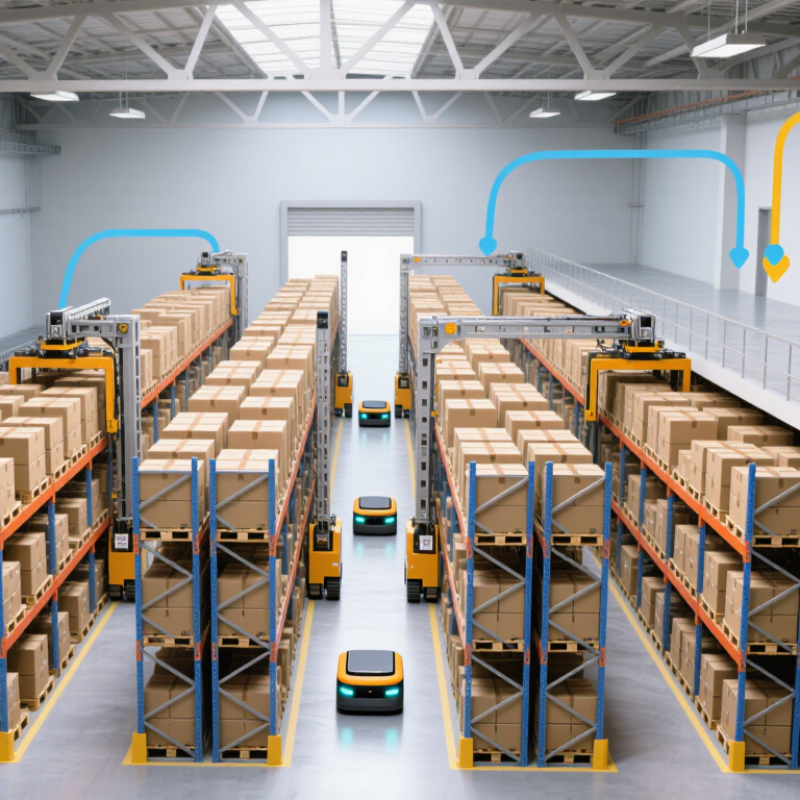
Stacking systems are automated or semi-automated storage solutions that place goods vertically. They help warehouses use height instead of expanding floor space. A typical system includes storage racks, a lifting mechanism, sensors, and control software. The equipment moves along rails, collects a pallet, and places it in an assigned position. When an order arrives, it retrieves the correct load and delivers it to an access point.
Modern systems often connect with warehouse management software. This connection records inventory locations and reduces manual searching. Sensors check pallet position, weight, and movement. Operators still need practical training, especially during maintenance and emergency procedures. In my experience, accurate pallet dimensions matter more than many buyers expect. A small size variation can cause delays or unsafe movement. No design is perfect. Dust, uneven floors, and poor data can affect performance.
Tips: Measure ceiling height, aisle width, pallet weight, and load frequency before choosing equipment. Ask suppliers for installation records, maintenance plans, safety testing, and operator training. Request a live demonstration with loads similar to yours. Also, check how the system performs during power interruptions. A lower purchase price may bring higher service costs later. Choose clear documentation and responsive technical support.
Stacking systems are warehouse storage solutions that organize palletized goods vertically to use available floor space efficiently. Floor stacking stores loads directly on the ground, while pallet racking, drive-in racking, mobile racking, and automated storage systems use structural frames, rails, or automated equipment to increase storage height and accessibility.
The chart shows representative storage levels commonly used in warehouse planning. Actual capacity depends on ceiling height, pallet dimensions, load weight, equipment, fire-safety requirements, and local regulations.
China offers a broad range of stacking systems for warehouses, factories, and distribution centers. Pallet stackers are suitable for short-distance handling and moderate lifting heights. Electric walkie stackers work well in narrow aisles and smaller facilities. Counterbalance stackers handle heavier loads but require more operating space. Their practical capacity depends on load shape, lift height, and floor conditions.
Automated storage and retrieval systems provide higher storage density and controlled inventory movement. They often use stacker cranes, conveyors, barcode readers, and warehouse software. Shuttle systems move pallets through deep storage lanes, making them useful for high-volume goods. Carton stacking systems suit smaller boxes, food packaging, and e-commerce orders. Mobile racking can create extra aisle space, though access becomes slower during peak activity.
Cold-storage warehouses need materials and batteries that tolerate low temperatures. Dusty workshops need protected sensors and simple maintenance access. A supplier should provide load calculations, safety documentation, installation guidance, and spare-parts support. Ask for testing records, not only attractive capacity figures. Real performance may change when pallets are uneven or floors are slightly damaged. That detail is often overlooked. A common design mistake is choosing maximum density before checking picking speed. No system is perfect. Operators may also need training because automatic equipment still depends on accurate data and daily inspection. Supplier experience with similar buildings can reveal problems that drawings do not show.
Evaluating China’s leading stacking systems manufacturers requires more than comparing prices. Start with verified operating data, not polished showroom demonstrations.
The International Federation of Robotics reported 276,288 industrial robot installations in China during 2023, representing 51% of global installations.
This scale suggests strong automation capability, but it does not guarantee reliable pallet handling. Ask for references using similar loads, aisle widths, temperatures, and shift patterns.
A serious evaluation should examine engineering depth and factory discipline.
Request load calculations, cycle-time records, test videos, and maintenance logs. Inspect welding quality, sensor protection, cable routing, and emergency access. Confirm compliance with applicable safety requirements, including ISO 3691-4 where automated vehicles are involved.
Software matters too. Test warehouse-management integration with real order exceptions, not only normal commands.
The 2023 World Bank Logistics Performance Index gave China a logistics score of 3.7, showing solid infrastructure but also room for operational improvement.
Supplier support can decide the investment’s real value.
Review spare-parts availability, remote diagnostics, technician response times, training, and service coverage outside major cities. Calculate total cost over five years, including energy, downtime, software updates, and retraining.
A low quotation may conceal expensive integration work.
Factory visits are useful, yet they can mislead when production is staged for visitors. Independent acceptance testing is wiser.
No evaluation is perfect. Even experienced buyers may underestimate product damage, seasonal peaks, or operator resistance. Allow budget and time for these uncomfortable realities.
Chinese stacking solutions serve several major industries, especially warehousing, logistics, and e-commerce fulfillment. Distribution centers often use stacker cranes, pallet systems, and vertical storage equipment to manage thousands of cartons. These systems reduce floor pressure and support faster picking. Space matters. In practice, aisle width, pallet weight, and ceiling height must be measured before equipment selection.
Automotive manufacturers use stacking systems for components, tools, and finished parts. A controlled storage layout can place engine parts near assembly lines and reduce unnecessary handling. Food and beverage companies also rely on hygienic, corrosion-resistant structures. Cold-chain warehouses need equipment that performs under low temperatures and frequent door opening. Cold rooms expose weaknesses. Engineers should inspect coatings, sensors, braking systems, and maintenance access rather than judging equipment by capacity alone.
Chinese stacking solutions are also common in textiles, electronics, pharmaceutical storage, and general manufacturing. Electronics facilities may require careful inventory control for small, sensitive components. Pharmaceutical warehouses need validated temperature records, clear traceability, and disciplined access management. Reliable suppliers usually provide load calculations, installation drawings, testing documents, and operator training. However, project quality can vary when specifications remain vague. A low initial quote may hide higher installation or maintenance costs. Details decide performance. Buyers should compare service response times, spare-part availability, safety controls, and documented operating experience before approving a system.
Selecting a reliable Chinese supplier requires more than comparing catalog prices. Start by checking factory experience with your specific stacking system, load range, and warehouse layout. Ask for recent project photos, technical drawings, and measurable performance data. A serious manufacturer should explain steel grades, surface treatment, welding standards, and safety factors clearly. Vague answers deserve caution.
Request a sample quotation with separate costs for equipment, packaging, installation support, spare parts, and delivery. Confirm production capacity before signing. A factory may promise fast delivery but rely on crowded subcontracting networks. That detail is easy to miss. Review quality-control records, inspection procedures, and testing reports from independent or internal inspectors. Video meetings can help, but they cannot replace an on-site audit.
Communication also matters. Choose a supplier that responds with clear dimensions, tolerances, and revision dates. Check whether drawings match the final quotation. Small mismatches can create expensive installation delays. Discuss warranty coverage, replacement parts, technical training, and response times in writing. Payment terms should protect both sides and follow applicable trade regulations. Certifications may look impressive, yet their scope and validity must be verified. No review is perfect. I would leave room for a pilot order, because even a well-documented supplier can perform differently under real production pressure. A dependable partner accepts questions, admits limitations, and improves when problems appear.
It is an automated or semi-automated storage solution. It places goods vertically on racks. A lifting mechanism moves pallets along rails. Sensors and software help locate each load. Height replaces extra floor space.
The system receives an inventory request. Its lifting equipment collects the assigned pallet. Then, it places the load in a designated position. For retrieval, the equipment delivers the pallet to an access point. Movement stays controlled.
Measure ceiling height, aisle width, pallet weight, and load frequency. Record pallet dimensions carefully. Small variations can cause delays. Uneven floors may affect movement. Measurements are easy to underestimate.
Warehousing and logistics use them for high-volume storage. Manufacturers store components, tools, and finished parts. Food facilities may need corrosion-resistant structures. Cold-chain sites require equipment for low temperatures. Electronics and pharmaceutical storage need careful tracking.
Inspect coatings, sensors, braking systems, and maintenance access. Check performance during frequent door opening. Low temperatures can expose weak components. Capacity alone is not enough. Cold rooms are unforgiving.
Review factory experience with similar loads and layouts. Request recent project photos and technical drawings. Ask for measurable performance data. Check steel grades, welding standards, and safety factors. Vague answers deserve caution.
Ask for load calculations, installation drawings, and testing records. Request maintenance plans and operator training. Confirm warranty coverage and spare-part availability. Write technical response times into the agreement. Clear documents matter.
A live demonstration shows performance with similar loads. A pilot order reveals real production behavior. Video meetings cannot replace an on-site audit. Even careful evaluations can miss practical problems. No review is perfect.
Stacking Systems are automated or semi-automated solutions designed to arrange, store, and retrieve goods efficiently in warehouses and industrial facilities. They may include pallet stackers, robotic stacking units, shuttle-based storage equipment, and automated storage and retrieval systems. This article explains how these systems operate through coordinated controls, sensors, conveyors, and lifting mechanisms, while comparing the key types available from manufacturers and suppliers in China.
It also outlines how to evaluate leading Chinese manufacturers by examining engineering expertise, production quality, safety standards, customization capabilities, testing procedures, and after-sales support. Chinese stacking solutions are widely used in logistics, manufacturing, food and beverage, retail, agriculture, and other industries that require organized material handling. When selecting a reliable supplier, buyers should assess product performance, installation services, spare-parts availability, delivery reliability, communication, and total operating cost to ensure a practical and long-term investment.

AomeRack