Why Choose Narrow Aisle Storage for Your Warehouse?

Time:2026-09-26 Author:Mason
0%

Why Choose Narrow Aisle Storage for Your Warehouse?

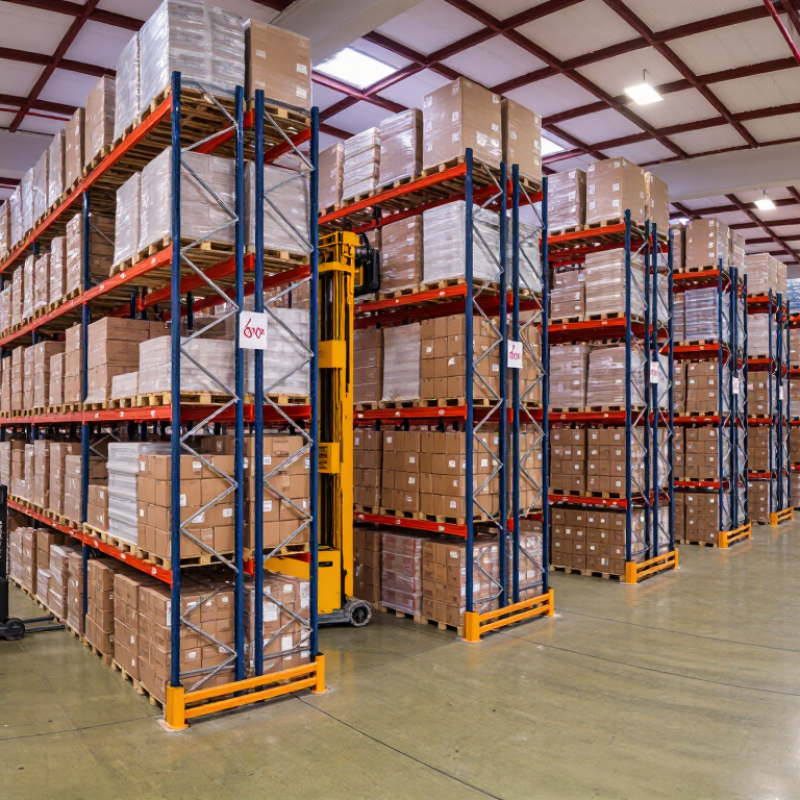
Warehouse space is expensive, yet many facilities still store products in wide, underused aisles. Narrow Aisle Storage can increase pallet positions without expanding the building footprint. It uses specialized reach trucks, turret trucks, or articulated forklifts to serve tighter lanes. Picture a 12-meter-high rack and a forklift turning within a carefully measured aisle. Every centimeter matters.

Industry data supports this shift. The 2024 MHI Annual Industry Report identifies labor availability, productivity, and technology investment as continuing supply chain priorities. Its findings show why warehouses are examining automation and higher-density storage systems. The 2024 WERC DC Measures report also emphasizes measurable performance, including inventory accuracy, order-picking efficiency, and space utilization. Narrower aisles can support these goals when rack design, equipment, and operating procedures work together. They may also reduce travel distances between storage locations.

However, this solution is not universal. A forklift may need greater lift height, tighter steering control, and stronger operator training. Fire protection, floor quality, rack protection, and emergency access require professional review. A poorly designed aisle can create congestion instead of capacity. That risk deserves attention.

The best decision begins with real warehouse measurements, not attractive product photographs. Review SKU velocity, pallet dimensions, turning radii, ceiling height, and future growth. A spreadsheet can still lie. Pilot testing and advice from qualified storage specialists provide stronger evidence. Narrow Aisle Storage is powerful, but only when density improves productivity without sacrificing safety or flexibility.
Why Choose Narrow Aisle Storage for Your Warehouse?

What Narrow Aisle Storage Means in Warehouse Operations

Narrow aisle storage is a warehouse layout that reduces the space reserved for travel lanes and uses more of the building for pallet positions. It is not simply a matter of moving racks closer together. Aisle width must suit the trucks, loads, rack height, and turning movements used on site. A pallet that fits the beam may still be difficult to retrieve if its load is uneven or its approach angle is tight.

In daily operations, this layout can increase storage density while keeping goods accessible. Operators may use specialized trucks to place or collect pallets in tighter aisles. Rack spacing should be checked against actual load dimensions, column locations, floor condition, and equipment clearances. Lighting and clear pedestrian routes matter, too. Small layout details affect routine work.

The trade-off is real. A plan may look efficient on paper and feel awkward once operators handle mixed pallet sizes or busy replenishment periods. That deserves a close review. Before changing the layout, compare expected storage gains with travel time, picking needs, and equipment costs. Narrow aisles are not automatically better for every warehouse. The right design depends on what moves through the building, how often it moves, and how reliably staff can access each stored load.

How Narrow Aisle Systems Use Space and Handling Equipment

Narrow-aisle storage reduces the floor space assigned to truck travel, allowing more rack rows within the same building. Space matters. Reach trucks can operate in tighter aisles than many counterbalanced forklifts, while very-narrow-aisle turret trucks can retrieve pallets without turning the whole truck. The right choice depends on the truck’s turning radius, load size, rack height, and floor quality. A pallet that overhangs its rack can quickly make a planned clearance impractical.

The equipment and layout must be designed together. Measure aisle width against the actual truck and pallet, then check floor flatness, rack protection, and lift height. MHI and Deloitte’s 2024 Annual Industry Report found that 55% of surveyed supply-chain leaders planned to invest more than $1 million in supply-chain technology over the following two years. That figure reflects broad technology investment, not proven savings from narrow aisles. Still, it signals why equipment decisions deserve careful review. Narrower lanes may add storage positions, but they can also constrain passing and slow work when traffic peaks. Not magic. Walk the proposed route with operators before committing; small turning-clearance errors are easy to miss on a drawing.

Key Benefits for Storage Capacity and Inventory Access

Narrow aisle storage can increase usable pallet positions by reducing space assigned to travel lanes. Depending on the building shape and rack layout, a narrower aisle may allow another rack row. That matters. Seasonal cartons no longer need to spill into picking areas as quickly. More locations can also make it easier to separate fast-moving stock from reserve inventory, provided the slotting plan is kept current.

Storage gains only help when workers can reach products safely and consistently. Match aisle width to the lift truck’s turning needs, load dimensions, and operating clearances; a few centimeters can affect daily movement. Walk the proposed layout with operators and observe where pallets enter, turn, and leave. Access still matters. Check that frequently picked items remain convenient, while slower stock uses higher or less accessible positions where suitable equipment is available. Narrow aisles may slow replenishment or create congestion if traffic patterns are overlooked. They are not a magic fix. Review the plan against real order activity, because a drawing can look tidy while the working aisle feels cramped.

Warehouse Conditions That Suit Narrow Aisle Storage

Why Choose Narrow Aisle Storage for Your Warehouse?

Warehouse Conditions That Suit Narrow Aisle Storage

Narrow aisle storage works best when floor space is tight, rack height is usable, and pallet sizes stay reasonably consistent. It can add pallet positions without expanding the building. Picture a lift truck turning between tall racks, with each pallet stored in a clearly assigned location. The layout suits warehouses handling palletized goods with predictable routes and reliable inventory records. It is less suitable for bulky, irregular loads or frequent cross-aisle traffic.

The building and daily workflow matter as much as rack density. Check clear height, floor condition, truck turning radius, and sprinkler clearances before changing the layout. Narrower aisles can slow picking if the fleet or operators are not suited to them. MHI’s 2024 Annual Industry Report found that 88% of surveyed companies expect to increase supply-chain technology investment over the next five years. That shift makes accurate location data and compatible handling equipment increasingly relevant, though technology alone cannot fix a poor layout.

Tips: Pilot one rack zone first. Measure travel time, pallet damage, and replenishment delays. Keep pedestrian routes distinct, and test loaded trucks at actual rack heights. A small trial may reveal awkward turns that drawings miss. I would not assume every saved aisle meter becomes useful storage.

Factors to Compare When Choosing a Narrow Aisle System

Choosing narrow aisle storage starts with comparing the work, not just the rack footprint. Measure clear aisle width, ceiling height, floor flatness, column positions, and sprinkler clearance. A few centimeters can change equipment access. Measure twice.

Compare the system against real order patterns. How many pallet moves happen per hour? Do operators replenish and pick from the same locations? Reach trucks may fit narrower aisles, while guided or turret equipment can reduce turning space but adds operating requirements. That trade-off is easy to underestimate. Check load dimensions and weights, too; oversized pallets can erase planned capacity. A layout drawing may look clean and still miss the queue at shift change.

Look at usable capacity, not theoretical slot count. Include staging lanes, dock travel, charging areas, and pedestrian routes. Safety visibility matters: blind intersections and tall loads need practical controls. Ask for a simulation based on peak periods, then verify its assumptions with warehouse staff. They know where congestion forms. Compare total costs, including equipment, floor work, training, maintenance, and installation downtime. Forecasts are uncertain, but future SKU changes deserve consideration. A denser layout is not always better; flexible space can matter more than one extra row.

FAQS

What does narrow aisle storage mean?

It reduces travel-lane width and uses more floor space for pallet locations. It is not simply racks pushed closer together.

Which warehouses may benefit from it?

Warehouses with limited floor space, usable rack height, and consistent pallet sizes may benefit. Predictable routes help. Not every site fits.

What should be measured before changing the layout?

Check aisle width, ceiling height, floor condition, column positions, sprinkler clearance, and truck turning radius. A few centimeters can matter. Measure twice.

What equipment can work in narrower aisles?

Reach trucks may suit tighter aisles. Guided or turret equipment can reduce turning space, but brings operating and maintenance requirements.

Can narrow aisles increase storage capacity?

Often, yes. They can add pallet positions without expanding the building. Staging lanes, charging areas, dock travel, and pedestrian routes still need space.

What problems might arise during daily operations?

Picking may slow when equipment or operators are not suited to tight turns. Mixed pallet sizes and busy replenishment can create delays.

How can a warehouse test a proposed layout?

Pilot one rack zone. Track travel time, pallet damage, and replenishment delays. Test loaded trucks at actual rack heights. Test it live.

What safety details should the layout include?

Keep pedestrian routes distinct and check lighting, visibility, and blind intersections. Tall loads may need practical controls.

Does higher storage density always mean a better layout?

No. Compare storage gains with travel time, picking needs, equipment costs, and future SKU changes. I would not assume every saved aisle meter becomes useful storage.

Conclusion

Narrow Aisle Storage is a warehouse approach that reduces the space needed between storage racks, allowing more of the available floor area to be used for inventory. It relies on suitable handling equipment to move safely and efficiently through tighter aisles, so the system must be planned around the goods stored, the building layout, and daily operating needs.

By making better use of vertical and floor space, narrow aisle systems can increase storage capacity while keeping inventory accessible for picking and replenishment. They may suit warehouses with limited space, organized stock, and workflows that can accommodate specialized equipment. Before choosing a system, compare aisle width, rack height, load requirements, equipment compatibility, access needs, and operator training. Careful evaluation helps balance storage density with safe movement, reliable handling, and practical access to goods.

Mason

Mason

Mason is a seasoned marketing professional with a deep expertise in the company's offerings and a passion for driving brand awareness. With a strong background in digital marketing strategies, he has an innate ability to connect with diverse audiences and effectively communicate product benefits.......