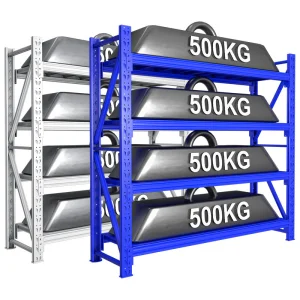
Explore our foundational range of heavy-duty pallet systems, adjustable racking, and certified warehouse mobility components.
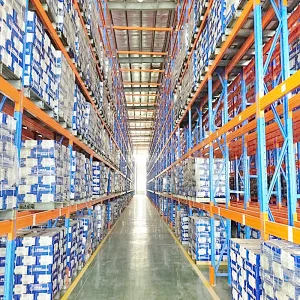
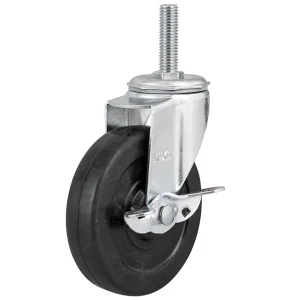
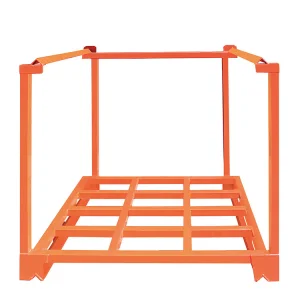
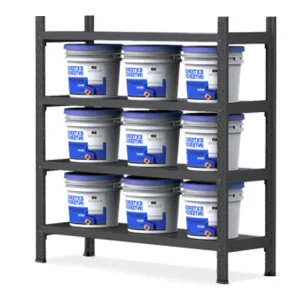
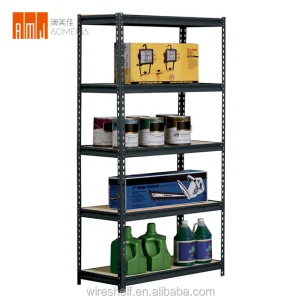
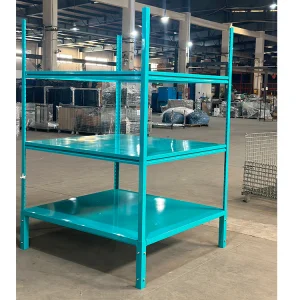
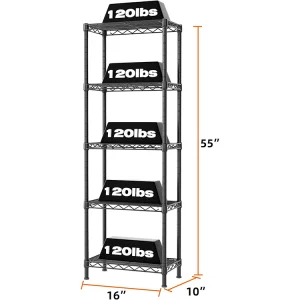
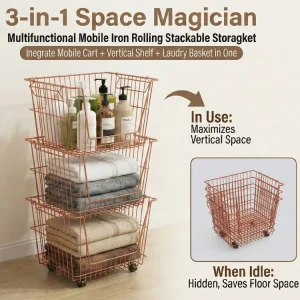
Modern supply chains are experiencing structural shifts. Rapid urbanization, globalized e-commerce logistics, and just-in-time inventory systems demand optimized volumetric efficiency. Industry standard warehouse racking is no longer treated as simple passive metal shelving; it has become an integrated part of dynamic supply architectures.
From North American distribution centers implementing RMI (Rack Manufacturers Institute) standards to European logistics operators adhering to EN 15635 frameworks, the requirements for material science, load dynamics, and mechanical performance have never been more critical. Safety factors, structural seismic ratings, and durability under mechanical forklift interfaces are top priorities for risk managers globally.
As micro-fulfillment centers and high-bay operations expand, global sourcing agents are seeking racking systems that leverage superior metallurgical qualities (such as high-tensile Q235B or Q355B steel) with modular designs to maximize vertical clearance while maintaining maximum structural safety.
Industrial racking systems must handle extreme load cases, seismic stresses, and environmental factors. Leading global enterprises mandate the following manufacturing capabilities:
A statistical snapshot of our industrial manufacturing scale, global export footprints, and R&D commitment.
Established in 2016, Guangdong Aomeijia Metallic Products Co., Ltd. has developed a comprehensive production system integrating design, manufacturing, quality inspection, and global logistics. Driven by 8 years of dedicated export experience and a network of 1,200 supply chain partners, we ensure stable raw material sourcing, reliable lead times, and competitive pricing structures for industrial buyers worldwide.
How downstream industrial integration and advanced metallurgy deliver unbeatable value.
Located in Guangdong's industrial heartland, we benefit from immediate proximity to major raw material processors, stabilizing costs and securing cold-rolled coils (SPCC) and pre-galvanized profiles even during market fluctuations.
Our facility runs automated structural roll-forming mills, laser profile cutters, and advanced robotic welding cells. This machinery delivers consistent geometry, clean weld beads, and fast production turnarounds.
Our quality system is based on ISO-compliant standards. We perform raw material testing, ultrasonic welding analysis, dry film thickness (DFT) checks on powder coatings, and ultimate load testing to confirm rated capacities.
Every facility has unique dimensions, floor slab load capacities, and logistics workflows. A standard off-the-shelf racking system can lead to wasted overhead space or dangerous structural overloads.
At Guangdong Aomeijia, our engineering team consists of 18 specialized designers who design custom storage plans. We use Finite Element Analysis (FEA) to simulate load profiles under static and dynamic stress conditions, ensuring stability across every beam and upright.
We launch approximately 120 new products and optimized storage designs annually. We tailor products to specific requirements, including frame heights, bay widths, shelving depths, powder coating colors (RAL matching), and high-durability pre-galvanized finishes for cold rooms and outdoor storage.
Adapting physical infrastructure to the needs of automated and high-efficiency fulfillment centers.
The global storage market is shifting toward automated material handling systems. Modern fulfillment centers rely on Automated Guided Vehicles (AGVs), Autonomous Mobile Robots (AMRs), and high-speed stacker cranes to accelerate throughput. These automated vehicles need racking systems built to tighter tolerances than traditional forklift-operated layouts.
Small variations in shelf flatness, upright alignment, or beam deflection can disrupt sensor-guided automation. As a result, modern warehouses require high-precision automated racking systems. By using cold-rolled steel and strict dimensional controls, our racks ensure smooth integration with automated systems, helping to prevent equipment downtime.
Tighter tolerances, specialized guidance channels, and clean interfaces designed for automated robotic pickers and mobile lifters.
Engineered baseplates, heavy duty floor anchors, and reinforced diagonal bracing patterns designed to meet regional seismic safety requirements.
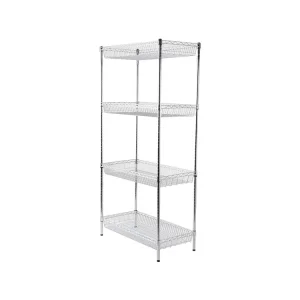
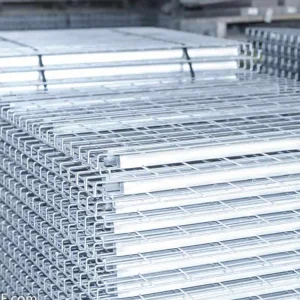
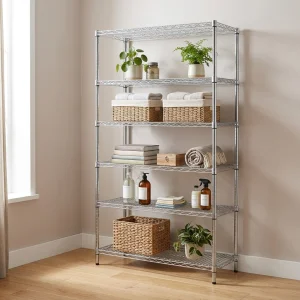
Wire shelving designs that minimize dust collection, maximize air circulation, and allow easy washdown in cleanroom environments.
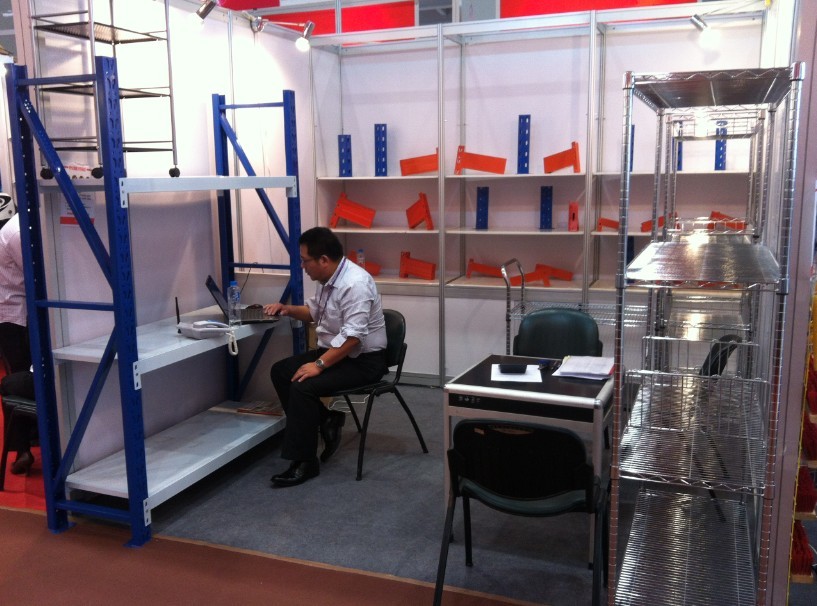
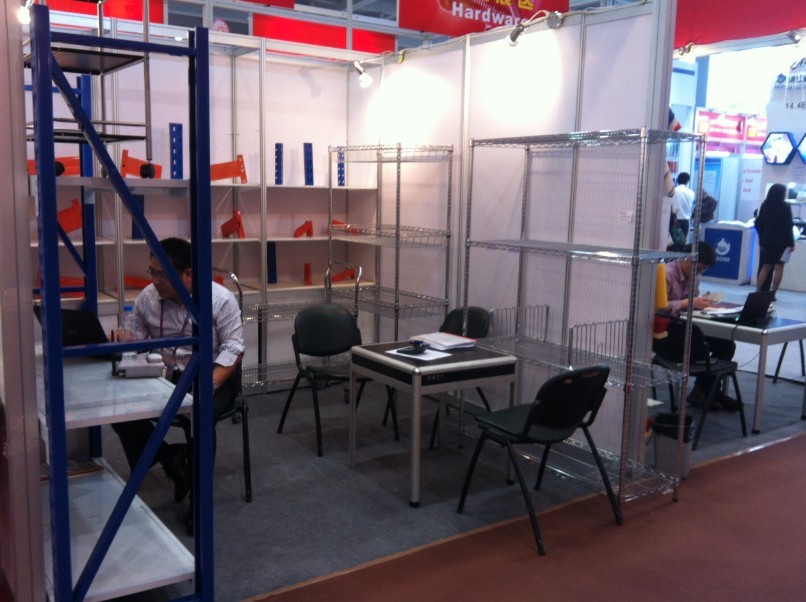
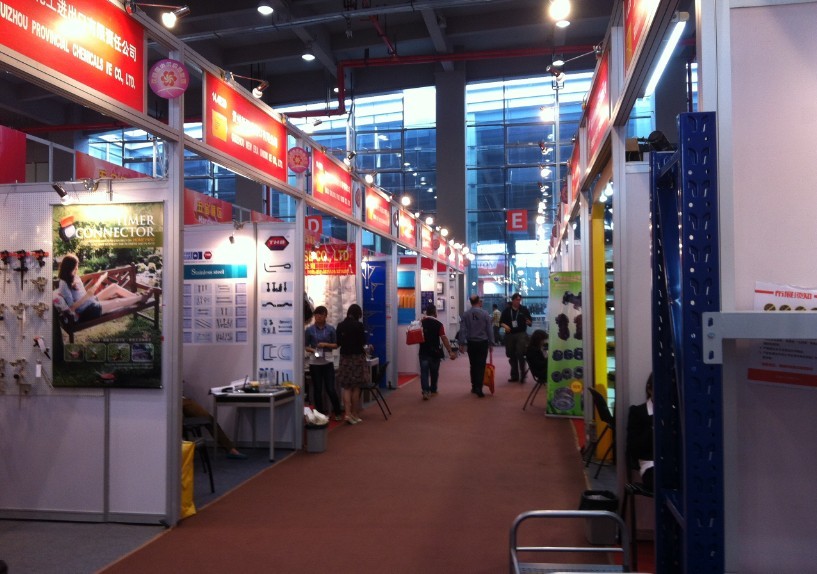
A trusted global supplier exhibiting regular industry presence, including the Canton Fair, serving clients across six continents.
Key technical criteria for global supply chain managers and facility operators.
When sourcing industrial storage racks from China, purchasing managers must evaluate technical specifications beyond simple price-per-kilogram calculations. The Total Cost of Ownership (TCO) is influenced by raw material grades, structural safety factors, transport volumes, and assembly efficiency.
The load capacity of cold-formed steel profiles depends on the yield strength of the steel coils used. We use certified structural steel (such as high-tensile Q235B and Q355B grades) to ensure consistent performance under load. Insist on material test reports (MTRs) to confirm carbon levels, tensile limits, and elongation specifications.
For standard dry warehousing, electrostatic thermosetting epoxy polyester powder coating (60-80 microns thick) provides good impact and scratch resistance. For environments with high humidity or chemical exposure, hot-dip galvanizing (complying with ASTM A123 or ISO 1461 standards) provides long-term corrosion protection.
For high-bay systems installed in seismically active regions, racking frames must feature baseplates and anchoring configurations that distribute dynamic lateral loads. Stiffeners, heavy-duty floor anchors, and cross-braced frame designs are essential to maintain structural stability.
Under a Uniformly Distributed Load (UDL), structural beams will experience deflection. Safe engineering guidelines require that beam deflection under maximum capacity must not exceed L/200 (where L is the beam span length). Deflection beyond this limit can stress connections and pose hazards to warehouse personnel.
Answers to common technical and logistical questions from global buyers and engineers.
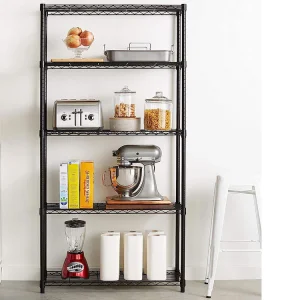
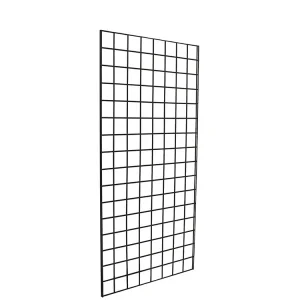
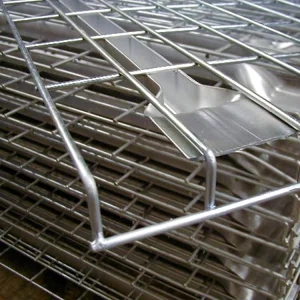
Explore our high-performance wire decking, retail displays, and NSF-certified shelving configurations.
 AomeRack