Explore our top-tier industrial pallet racking components and heavy-duty structural steel solutions, designed to withstand mechanical impacts and support intensive warehouse workflows.
Analyzing the architectural shifts, dynamic loading stresses, and safety mitigation technologies governing industrial warehouse protection systems.
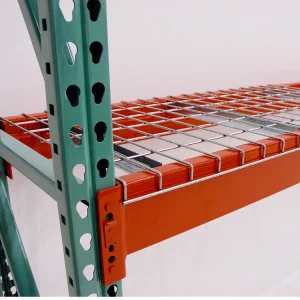
In modern industrial logistics, the term "Impact Racks" refers to heavy-duty structural shelving and pallet racking systems engineered to absorb, deflect, and withstand physical forklift collisions, seismic activity, and severe dynamic loading stresses. As warehouse operators scale upward to optimize square footage, vertical storage configuration demands structural integrity that goes beyond static capacity. The intersection of material science and logistics safety has paved the way for advanced impact protection systems integrated directly into storage uprights, base plates, and structural load beams.
The global shift toward high-velocity fulfillment centers has introduced larger material handling equipment (MHE) and faster operating cycles. This high-density operational environment vastly increases the probability of collision events. Consequently, modern engineering standards (such as the Rack Manufacturers Institute's ANSI MH16.1 and European EN 15512) focus on progressive deformation mechanics. Racks must not only hold nominal loads but also retain structural equilibrium when subjected to dynamic side impacts from forklifts and automated guided vehicles (AGVs).
"According to recent logistics insurance data, structural failure in racking systems is most frequently initiated by minor, cumulative forklift impacts at the lower portions of upright frames. Mitigating this risk requires a transition from standard roll-formed steel to hybrid structural steel profiles and smart deflection barriers."
The contemporary technical trend pivots towards *hybrid structural solutions*. Manufacturers are now combining cold-rolled uprights with structural channel bottom sections, providing robust impact-resistant zones precisely where 90% of warehouse collisions happen: the first 24 inches off the floor. Incorporating customized configurations, such as bullnose base plates and heavy-duty seismic footings, ensures that load path lines are directed straight into the concrete floor slab rather than causing torsional shearing of the racking steel frame itself.
Key procurement indices, regulatory frameworks, and engineering parameters that define enterprise-grade warehousing solutions.
Procurement departments at global logistics enterprises (such as third-party logistics [3PL] companies, e-commerce giants, and cold chain operators) look for more than price per unit when sourcing racking systems. They require rigorous compliance with local building codes and structural guidelines, specifically under the International Building Code (IBC), RMI (MH16.1) in the United States, and EN 15512 / FEM 10.2.02 across Europe. These standards demand verification of load capacities under multiple load cases, including dead load, live load, product load, seismic force, wind loads (for rack-supported structures), and dynamic forklift impact loads.
To help engineering teams specify the correct material grades and structural designs, the following comparison matrix outlines the standard attributes of rack construction materials commonly utilized by global tier-1 manufacturers:
| Steel Grade / Category | Yield Strength (Min) | Tensile Strength (Min) | Best Application Scenarios | Impact Deflection Capacity |
|---|---|---|---|---|
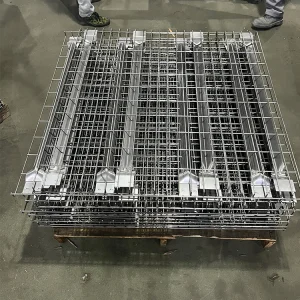
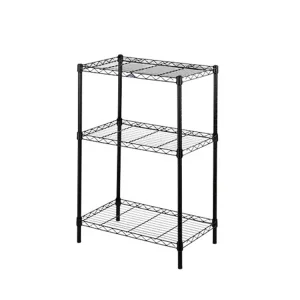
| Q235B Carbon Steel | 235 MPa | 375 - 500 MPa | Light-to-medium duty racking, mesh decking, adjustable wire shelving | Moderate elastic limit; needs secondary guards |
| Q355B (High-Strength) | 355 MPa | 470 - 630 MPa | Heavy-duty pallet racking uprights, automated warehouse frames | High energy absorption, excellent structural recovery |
| ASTM A570 Grade 50 | 345 MPa | 450 MPa | Heavy-duty structural channel beams, high-capacity seismic racks | Superb structural resilience, minimizes localized denting |
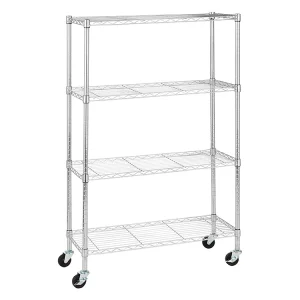
| SUS304 Stainless Steel | 205 MPa | 515 MPa | Cold storage, food processing, medical and cleanroom wire trolleys | High ductility; premium corrosion resistance |
When selecting suppliers, global sourcing departments must verify that manufacturing partners employ advanced manufacturing processes, such as continuous automated roll-forming line machines, robotic welding systems (compliant with AWS D1.1 or EN ISO 3834), and certified electrostatic powder coating systems. A failure to inspect structural welding integrity can lead to localized shear failures under moderate impact conditions. A reliable manufacturer must guarantee full welding penetration and thickness uniformities exceeding 60-80 microns to prevent long-term corrosion inside humid or temperature-controlled warehouse settings.
A deep dive into industrial design capabilities, state-of-the-art production infrastructure, and global quality control systems.
Established in 2016, Guangdong Aomeijia Metallic Products Co., Ltd. is a leading professional manufacturer specializing in high-performance warehouse storage racks, industrial shelving systems, pallet racks, and customized metal storage solutions. With an extensive production facility spanning approximately 28,000㎡, the company operates an end-to-end manufacturing footprint integrating design, structural engineering, raw material processing, quality inspection, and global logistics coordination. Our annual export revenue has reached approximately US$18 million, driven by 8 years of export experience and more than 12 years of industry experience in the warehouse storage equipment sector.
Our commitment to structural reliability is backed by strict quality control procedures throughout our production process. The Aomeijia quality inspection system includes ISO-based quality management, raw material inspection, welding inspection, coating thickness testing, load-bearing tests, and finished product inspection. Each rack component and assembly undergoes strict quality testing prior to dispatch, verifying parameters such as dimensional accuracy, welding strength, surface treatment uniformity, and actual load capacities.
To ensure high quality across our product lines, Aomeijia employs a dedicated quality assurance team consisting of 45 professional inspectors. They monitor compliance with international standards and customer-specific requirements. In addition, our international trade capabilities enable us to support major global accounts through custom OEM and ODM partnerships, delivering container-load shipments to major industrial markets across North America, Europe, Southeast Asia, the Middle East, Australia, and South America.
Aomeijia has built strong partnerships with over 1,200 supply chain partners, securing consistent access to premium grade steels, advanced coating pigments, and high-performance casting components. This robust supply network allows us to offer stable lead times and competitive pricing even during volatile market cycles. Our primary client base includes warehouse operators, logistics companies, e-commerce businesses, retailers, wholesalers, distributors, system integrators, and industrial project contractors.
Aomeijia’s R&D team consists of 18 experienced engineers who focus on structural design, warehouse floor-plan optimization, and customized storage engineering. Annually, the engineering division launches approximately 120 new products and optimized storage solutions, adapting to shifting technical trends like automated warehousing, AGV interaction interfaces, and seismic-safe racking configurations. We offer complete custom services, including rack dimensions, load capacity, colors, materials, layouts, and complete warehouse storage planning services.
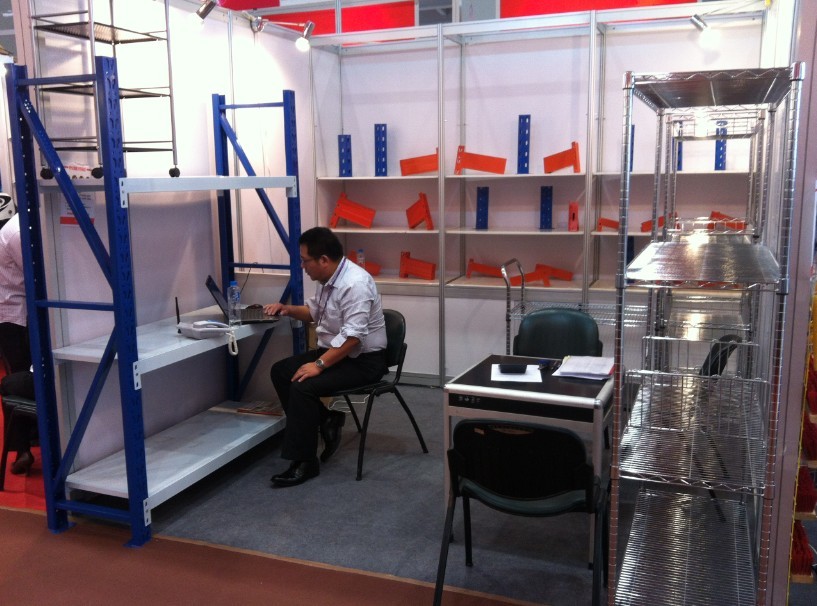
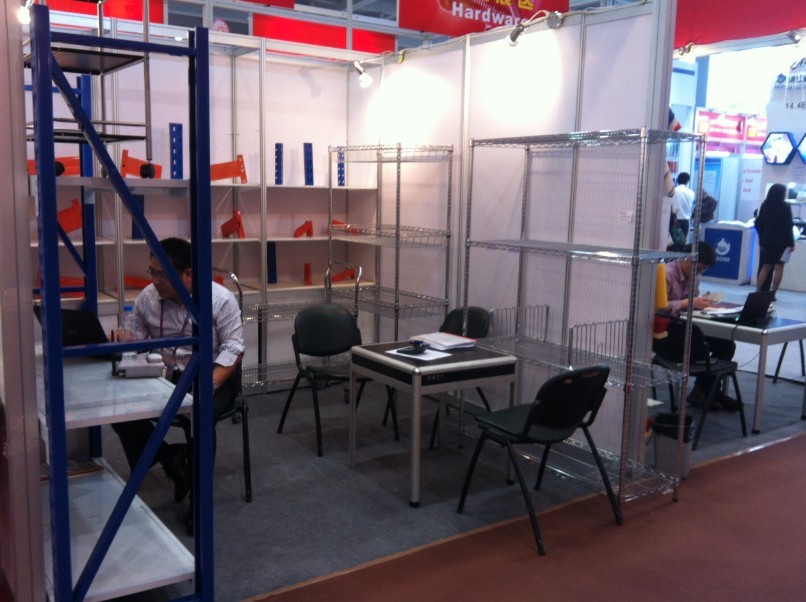
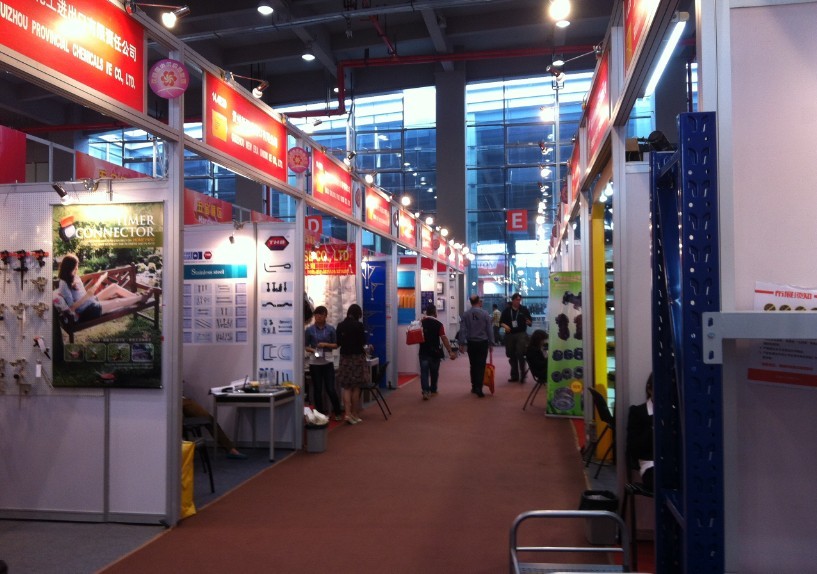
Showcasing our manufacturing credentials and international partnerships at the Canton Fair.
How warehouse design is changing to support automated AGV/AMR fleets, seismic requirements, and eco-friendly manufacturing.
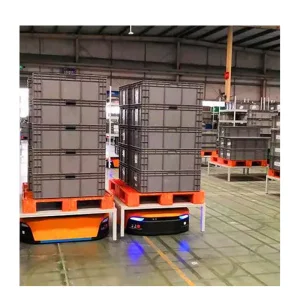
As the material handling sector transitions from manual forklifts to autonomous systems, racking design requirements are shifting. Modern Automated Guided Vehicles (AGVs) and Autonomous Mobile Robots (AMRs) require strict structural tolerances. Standard racking systems can tolerate slight deflections, but robotic systems need millimeter-level alignment to prevent loading failures. Therefore, high-density storage setups like AGV Supporting Racks must feature high stiffness profiles, precise weld spacing, and integrated floor anchors to handle consistent load cycles without shifting.
Additionally, seismic engineering has become a standard requirement for major logistics hubs globally. Racking structures must act as flexible frames, dissipating lateral forces during seismic events while remaining upright. Using Finite Element Analysis (FEA), our engineers model how racking systems respond to seismic activity. This lets us design custom configurations, such as oversized, pre-punched base plates, thick upright steel profiles, and heavy-duty diagonal bracing, keeping operations safe in high-risk seismic zones.
"The future of heavy-duty industrial storage lies in the integration of real-time monitoring technology. Racking systems are evolving from static metal structures into responsive, data-generating components of the smart warehouse environment."
Looking ahead, Aomeijia’s technology roadmap focuses on three main developments:
Key technical and procurement insights about impact-resistant pallet racks and warehouse storage solutions.
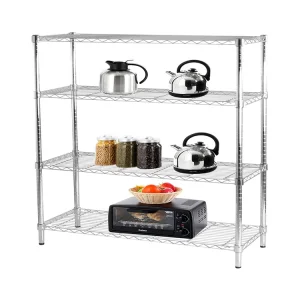
Explore our full line of industrial shelving, mobile storage units, and heavy-duty structural racks built for high-throughput environments.
 AomeRack