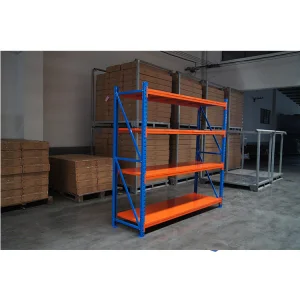
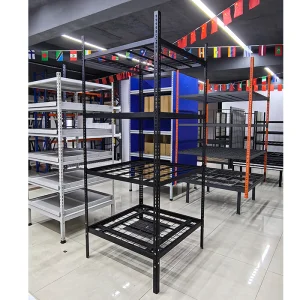
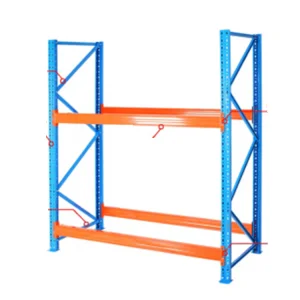
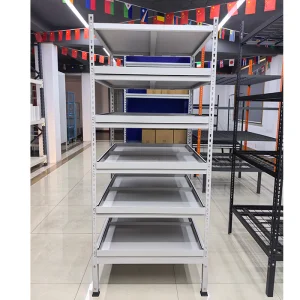
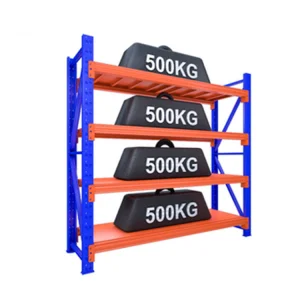
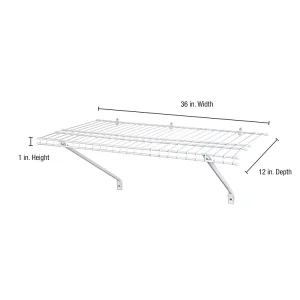
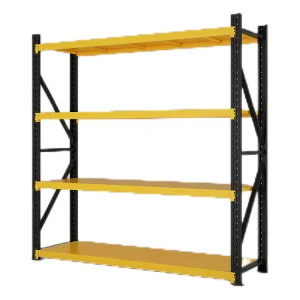
Explore our engineered structural steel racks, smart AGV/AMR storage interfaces, and NSF-certified hygiene-critical metal shelving systems.
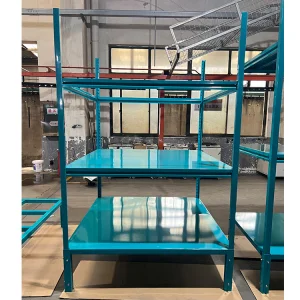
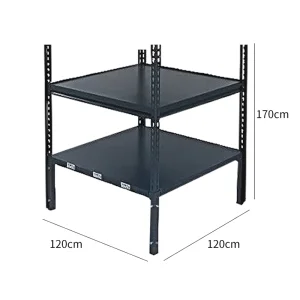
Unravelling supply chain dynamics, raw material grades, and corrosion resistance standards across global cold chains, pharmaceutical logistics, and electronics manufacturing.
In the modern industrial landscape, steel-based storage architectures serve as the physical backbone of global logistics and warehousing. While carbon steel remains the standard for generalized dry storage, the demand for high-grade Stainless Steel Series (specifically AISI 304 and AISI 316) has grown rapidly. Industries that deal with extreme cold, chemical exposure, or strict sanitation guidelines cannot afford the rust risks, surface flaking, or structural failure associated with lower-grade materials.
Globally, the market is experiencing structural transitions driven by strict global regulations (such as NSF certification protocols for food systems and FDA standards for medical materials). The global stainless steel racking and material handling market is projected to expand significantly, spurred by the rapid construction of high-capacity pharmaceutical hubs, automated cold storage vaults, and cleanroom facilities for semiconductor fabrication. Exporters must maintain strict compliance with local construction codes, structural safety factors, and material chemistry verification to successfully access major markets in North America, Western Europe, and the Asia-Pacific.
AISI 304 and 316 stainless steel grades prevent bacterial colonization, endure harsh clean-in-place (CIP) chemicals, and maintain physical strength down to -40°C in food processing environments.
Exporters must secure NSF, ISO 9001, and CE certifications. System builders require structural calculations validated under FEM 10.2.02 and EN 15512 codes to verify seismic safety limits.
Leading manufacturers maintain direct relationships with raw steel mills, minimizing material price swings and securing stable thickness and chemistry profiles for heavy fabrication.
How high-precision stainless steel fabrication is adapting to meet the strict tolerance demands of AGVs, AMRs, and automated storage and retrieval systems (ASRS).
Racking systems are no longer just passive structural components. With the rise of robotic pickers, Autonomous Mobile Robots (AMR), and Automated Guided Vehicles (AGV), racking tolerances must be controlled within millimeters. A slight bow in a shelf or a minor shift in rack alignment can cause automated guidance sensors to fail, stopping the entire logistics flow.
Because of this, modern stainless steel and metallic racking designs require precise engineering, robotics-friendly flat bases, guide tracks, and specialized reflective surfaces. High-precision laser cutting, robotic welding, and automated surface treatment (such as electrostatic powder coating or electrochemical pickling) are essential for achieving the required tolerances.
| Feature / Metric | Traditional Shelving Racks | Automated AGV/AMR Compatible Systems |
|---|---|---|
| Dimensional Tolerances | ±2.0 mm to ±5.0 mm | Strictly controlled under ±0.5 mm to ±1.0 mm |
| Deflection Criteria | L/200 (standard load limit deflection) | L/300 or L/400 (minimal deflection to prevent robotic error) |
| Base Interface | Standard footplate bolted directly to concrete floor | Precision alignment pins, guide tracks, magnetic arrays |
| Surface Finish | Basic industrial zinc-plating or hot-dip galvanization | Anti-reflective coatings, anti-static electrostatic finishes |
An authoritative look at our 28,000㎡ industrial manufacturing campus, QA protocols, structural engineering, and global logistics capability.
Established in 2016, Guangdong Aomeijia Metallic Products Co., Ltd. has developed into a premier manufacturer of high-quality warehouse storage racks, industrial shelving systems, pallet racks, and customized metal storage solutions. By combining advanced manufacturing technologies with a global distribution network, we support businesses looking to improve their warehouse efficiency and load safety.
With over 12 years of industry experience in the warehouse equipment sector and 8 years of international export experience, we understand the technical standards required by global buyers. Our engineering team uses Finite Element Analysis (FEA) to simulate load stress, seismic resistance, and deflection rates under extreme warehouse conditions.
Our quality inspection systems are aligned with ISO quality management protocols, covering raw material verification, welding strength tests, powder coating thickness checks, and load capacity testing. Before shipment, every batch is verified for dimensional accuracy and structural integrity to ensure safe, long-term operation.
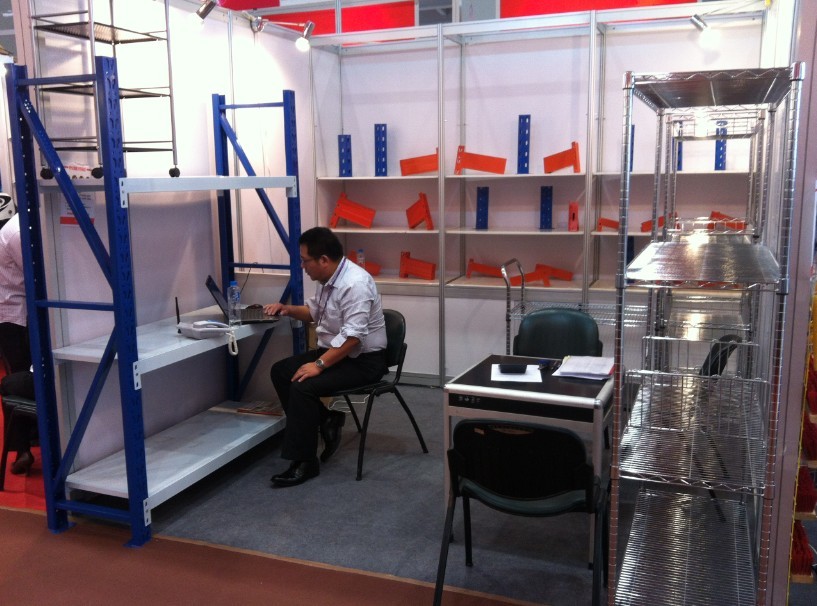
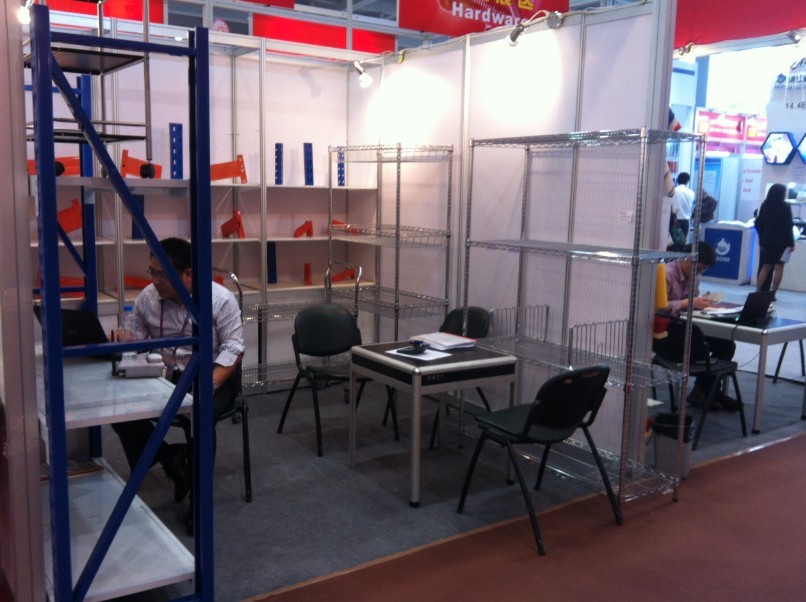
Tailoring structural metal racks and storage options for localized settings: from high-volume retail logistics to heavy automotive manufacturing hubs.
Operating in environments down to -40°C requires metal storage that remains ductile. Our stainless steel racking resists low-temperature embrittlement and corrosion caused by condensation during defrost cycles.
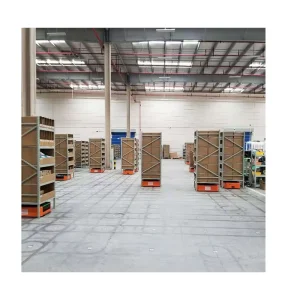
Designed for multi-tier fulfillment centers, our AGV/AMR racks feature robot-friendly grab points, precise height tolerances, and flat bases that allow automated drives to slide smoothly beneath them.
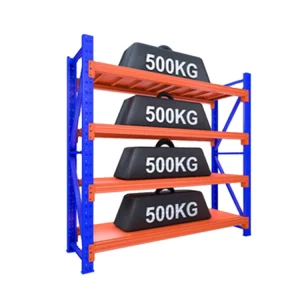
Designed for auto parts, machinery components, and raw metal storage, our high-load capacity pallet racks and boltless shelving units provide stable storage for loads exceeding 1,500kg per level.
Crucial for semiconductor fabrication and pharmaceutical manufacturing. Electropolished stainless steel racks prevent particulate accumulation and outgassing, ensuring class-10 cleanroom compatibility.
Guangdong Aomeijia's research and development timeline for next-generation material handling technologies.
Expanding the use of robotic fiber-laser tube cutters and automated weld cells to keep fabrication tolerances within ±0.5mm across all heavy AGV platforms.
Developing nanotech powder-coatings with antimicrobial properties for food storage, alongside anti-static (ESD) coatings designed for microelectronics warehousing.
Researching the integration of strain-gauge load sensors and RFID tracking points directly into structural beams to monitor real-time rack loads and structural fatigue.
Transitioning toward low-carbon recycled steel sourcing and closed-loop water treatment in chemical cleaning stages to help clients meet carbon-neutrality targets.
Expert answers to common engineering, raw material, and compliance questions faced by global project buyers.
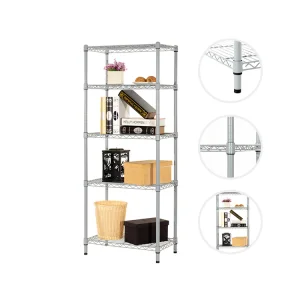
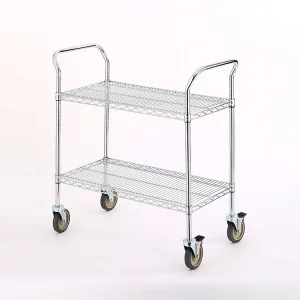
Explore our heavy-duty warehouse racking, carbon steel systems, chrome wire carts, and adjustable storage platforms.
 AomeRack