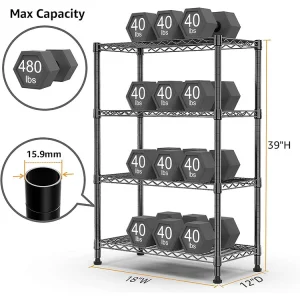
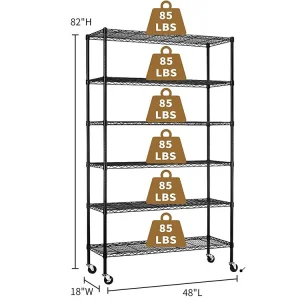
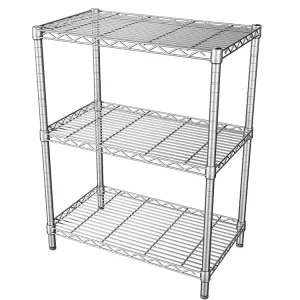
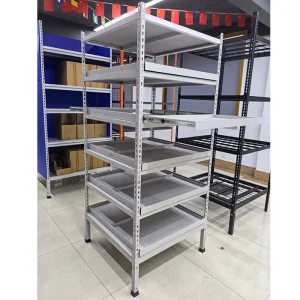
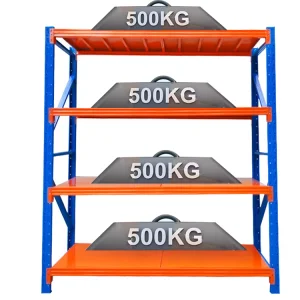
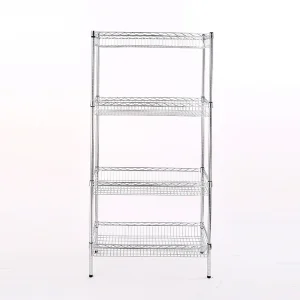
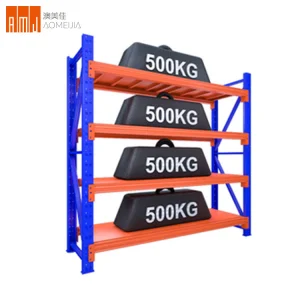
In the rapidly changing landscape of global logistics, intralogistics, and automated warehousing systems, selecting the right partner from the pool of top warehouse racking manufacturers and exporters is a critical strategic decision. Warehousing environments are shifting away from static storage toward dynamic, highly integrated ecosystems. High-density storage configurations, automated storage and retrieval systems (AS/RS), and autonomous mobile robots (AMR/AGV) demand unprecedented structural accuracy, steel durability, and engineering precision.
This whitepaper analyzes the key criteria that separate industry-leading racking manufacturers from standard suppliers. Buyers must look beyond surface level costs to evaluate steel alloy chemistry, cold-forming processes, seismic design certifications, powder-coating thicknesses, and compliance with region-specific structural standards (such as RMI in the US, FEM in Europe, and AS 4084 in Australia).
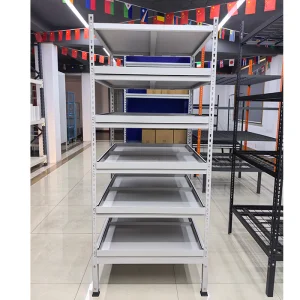
E-commerce operators deal with high SKUs, small order profiles, and high pick frequencies. Sourcing manufacturers that offer hybrid solutions combining heavy-duty pallet racks with multi-tier pick modules and shelving structures optimizes footprint efficiency while enabling rapid order fulfillment.
Cold chain operations require maximum storage density due to high refrigeration energy costs. Drive-in, push-back, and mobile racking systems are key here. Materials must withstand structural brittleness issues at temperatures below -25°C, requiring certified low-temperature structural steel.
Automotive supply chains require storage of heavy, irregular components such as dies, engines, and body panels. Racking systems for these environments must support heavy loads, often demanding customized cantilever racks and structural steel configurations with reinforced column shapes and impact guards.
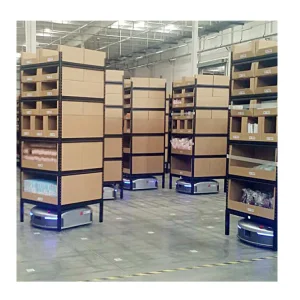
The global warehouse racking market is undergoing a major technological transformation. Supply chain constraints, labor shortages, and rising real estate costs drive demand for automated racking solutions. Traditional static storage is giving way to robotic rack systems designed to accommodate Automated Guided Vehicles (AGVs) and Autonomous Mobile Robots (AMRs).
Geographically, the Asia-Pacific region, led by China, continues to dominate manufacturing capacity, producing structural and roll-formed steel racks that meet stringent international regulatory demands. Exporters have evolved from selling basic commodities to providing complete intralogistics consultancy, engineering, and logistics planning services to clients across North America, the EU, and South America.
Established in 2016, Guangdong Aomeijia Metallic Products Co., Ltd. has established itself as an expert in warehouse storage racks, industrial shelving systems, pallet racks, and custom metal storage solutions.
Operating from a facility spanning approximately 28,000㎡, the company maintains an integrated production ecosystem covering product design, manufacturing, quality control, and global shipping. With 12 years of industry experience in the warehouse equipment sector and 8 years of export experience, the company generates an annual export revenue of roughly US$18 million.
Aomeijia operates a robust R&D department staffed by 18 experienced engineers who develop storage solutions tailored to global requirements. To keep pace with market trends, they introduce approximately 120 new products and optimized storage designs annually.
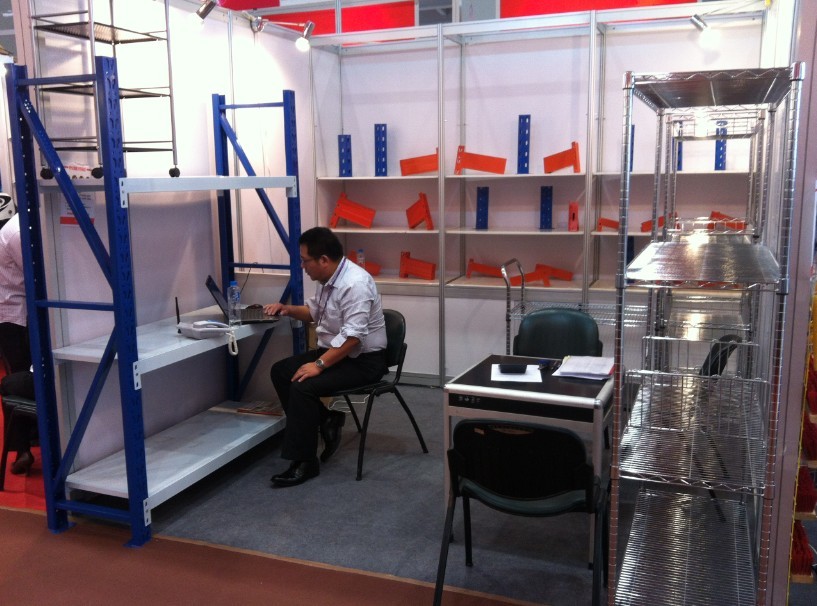
Canton Fair Exhibition
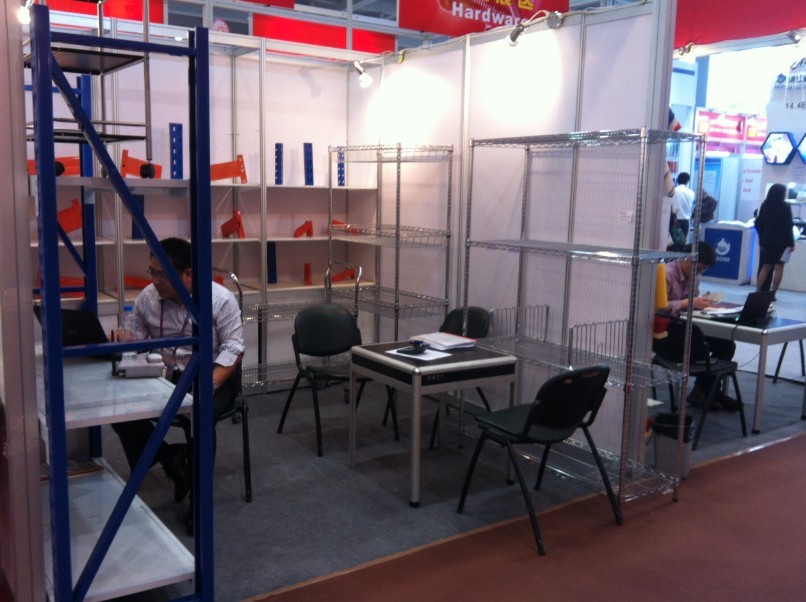
Canton Fair Client Interaction
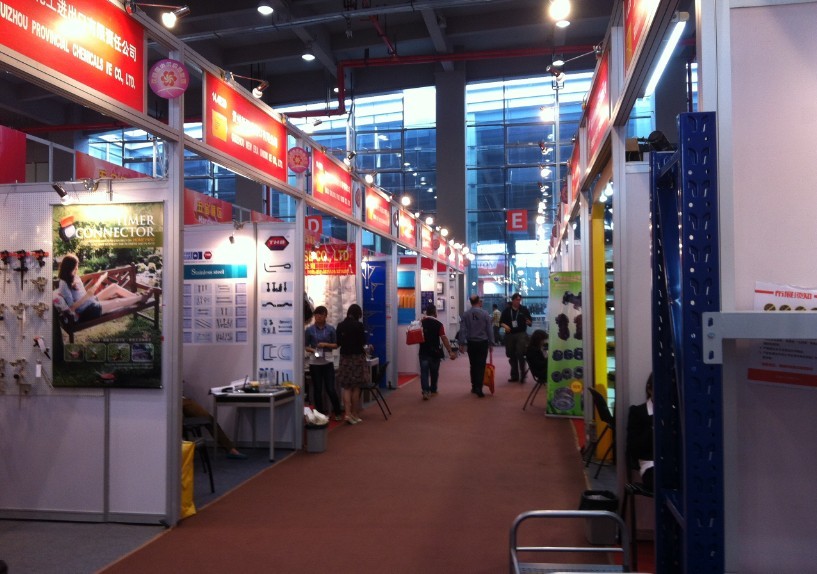
Canton Fair Product Display
Ensuring structural integrity and avoiding warehouse accidents requires strict manufacturing processes. Aomeijia runs a detailed quality inspection system containing ISO-based quality management, raw material inspection, welding inspection, coating thickness testing, load-bearing tests, and finished product inspection.
Before global distribution, every batch of racking undergoes dimensional accuracy inspection, welding strength testing, surface treatment inspection, and load capacity verification. This process is managed by a team of 45 professional inspectors, ensuring all products comply with the technical requirements of warehouse operators, retailers, and system integrators.
Aomeijia works with over 1,200 supply chain partners, securing consistent access to high-grade steel. This robust network ensures predictable production times and competitive pricing for OEM and ODM customers in North America, Europe, Southeast Asia, the Middle East, Australia, and South America.
Industrial racking must comply with specific local structural standards to ensure safety and secure regulatory approvals:
The Racker Manufacturers Institute (RMI) standard governs design, testing, and utilization requirements for industrial steel storage racks. Compliance is crucial for building permits and OSHA safety inspections in the USA.
European racking standards dictate design criteria for adjustable pallet racking systems, factoring in specific safety coefficients, load parameters, and seismic load analyses relevant to European industrial properties.
The Australian Standard regulates structural steel storage racking, mandating strict limit state design principles, dynamic load tolerance testing, and routine safety audits.
As industrial warehouses transition into fully automated ecosystems, racking structures must adapt. The design of structural racking is evolving to integrate seamlessly with automated systems. Key trends shaping the future of industrial storage include:
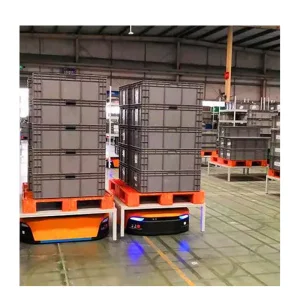
Modern racking systems must accommodate autonomous mobile robots. This requires high precision, tight dimensional tolerances, and low deflection profiles. Structural bases are engineered to clear robotic pickers, and guidance plates help maintain alignment during automated loading.
Leading exporters are adopting zero-VOC electrostatic powder coatings and sourcing green steel processed with reduced carbon emissions. This supports global corporate sustainability initiatives and environmental compliance.
Most manufacturers use high-tensile structural carbon steel, typically grades Q235B or Q345B (comparable to ASTM A36 and ASTM A572 Grade 50). Q235B is suitable for standard ambient warehouses, whereas Q345B offers higher yield strength, making it ideal for tall, heavy-load structures, cold warehouses, and high-seismic zones.
Designing racks to meet RMI or FEM standards increases initial engineering and steel costs, but ensures structural reliability and regulatory compliance. Certified systems prevent buckling under extreme load conditions and help secure local warehouse occupancy permits.
Automated Guided Vehicles (AGV) and Autonomous Mobile Robots (AMR) require tight engineering tolerances. Dynamic racking layouts need precise floor levelness, clear base opening dimensions, and target integration plates. Splicing, welding, and frame alignment must be highly accurate to prevent docking errors.
Electrostatic epoxy powder coating is the industry standard for general indoor storage, providing a scratch-resistant finish. For humid, outdoor, or highly corrosive chemical storage, hot-dip galvanized finishes offer superior long-term zinc-barrier protection.
Engineers determine load capacity using finite element analysis (FEA) software, factoring in dead loads, live loads, wind loads (for outdoor configurations), and seismic accelerations. Under RMI guidelines, the safety factor for steel structures is typically 1.94, protecting against material variability and accidental overloads.
Standard OEM/ODM design and manufacturing cycles run between 20 to 35 days, depending on order size and custom profiles. Global sea freight shipping adds 15 to 45 days, depending on the destination port (such as North America, Europe, or Australia).
 AomeRack