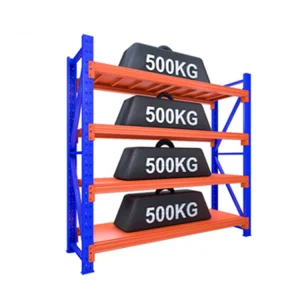
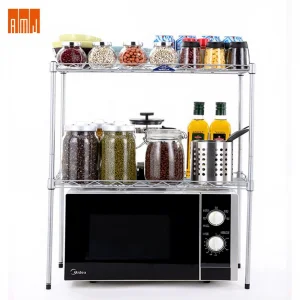
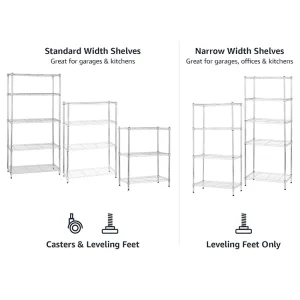
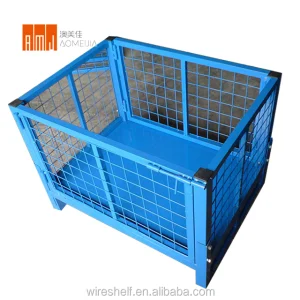
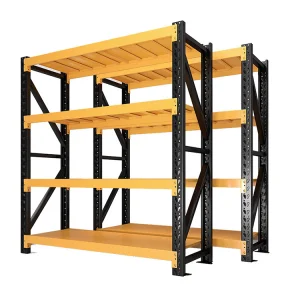
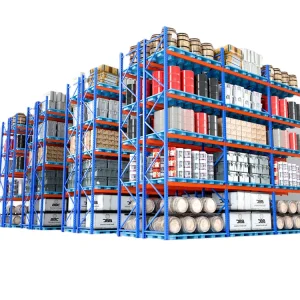
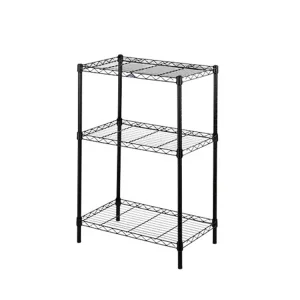
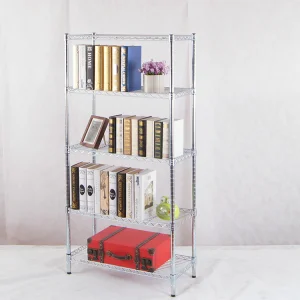
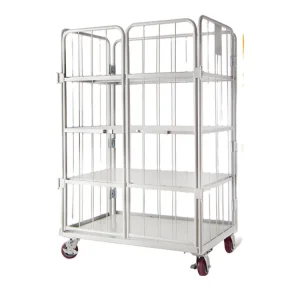
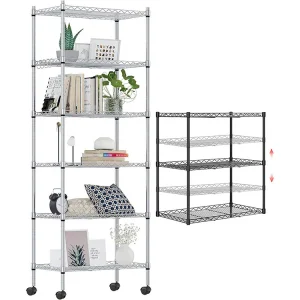
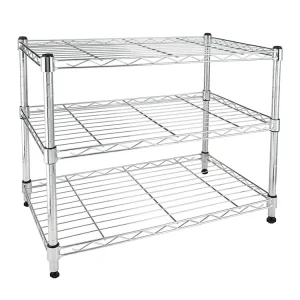
Engineered for heavy load capacity, high tolerances, and perfect compatibility with automated picking systems.
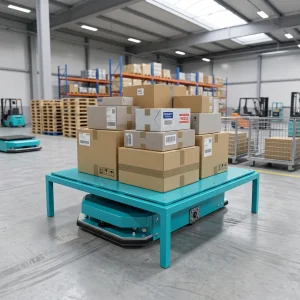
Modern distribution centers are undergoing an unprecedented shift. Driven by labor scarcities, skyrocketing land costs, and hyper-accelerated delivery timelines, businesses globally are transitioning from static, manual shelving to high-density Automated Storage and Retrieval Systems (ASRS) and intelligent robotic structures.
The foundation of any high-performance automated system is the physical storage engineering that supports it. Robotic cranes, shuttles, and Autonomous Mobile Robots (AMRs) operate under strict tolerance guidelines measured in millimeters. Standard, legacy racking systems simply cannot support the deflection tolerances, verticality requirements, and operational dynamics imposed by modern high-speed storage mechanisms.
This white paper outlines how advanced manufacturing systems in China, represented by industry leaders such as Guangdong Aomeijia Metallic Products Co., Ltd., are engineering next-generation structural platforms. These range from heavy-duty high-rise structural racks to customized, robot-ready mobile AGV bases, establishing a reliable hardware blueprint for the future of global supply chains.
Established in 2016, Guangdong Aomeijia has quickly become an industry benchmark. We specialize in the development, manufacture, and deployment of warehouse storage racks, industrial shelving systems, pallet racks, and customized steel storage configurations.
Operating a state-of-the-art 28,000㎡ production facility, we integrate design, steel processing, welding, surface powder coating, and international delivery. Our annual export revenue stands at US$18 million, driven by 8 years of export operations and over 12 years of industry experience.
Our R&D division has 18 professional engineers who design tailored structures for dynamic loads. We optimize layouts for maximum space usage and introduce about 120 new products or optimized designs every year to keep up with evolving logistics needs.
Quality assurance is run by 45 specialized inspectors. Our quality checks cover every stage: raw material testing, welding strength evaluation, powder coating thickness checks, static/dynamic load testing, and precise dimensional measurements before shipping.
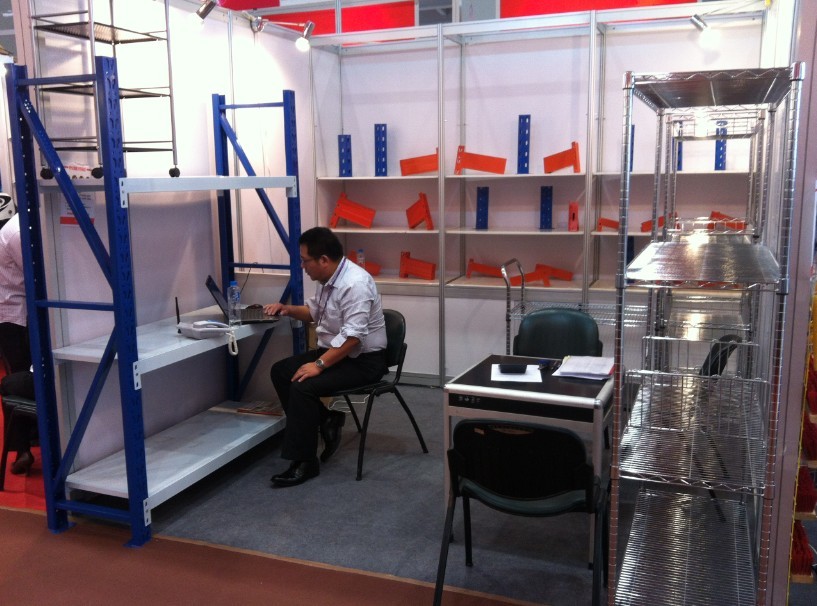
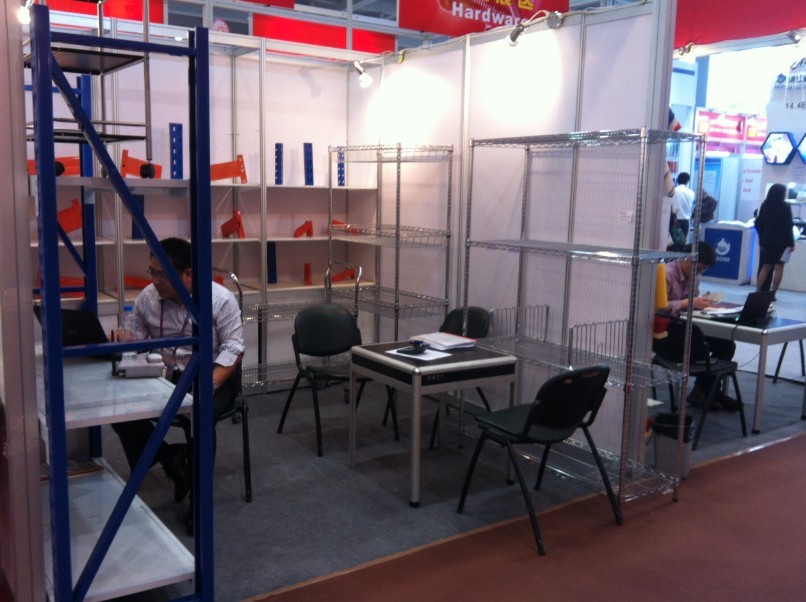
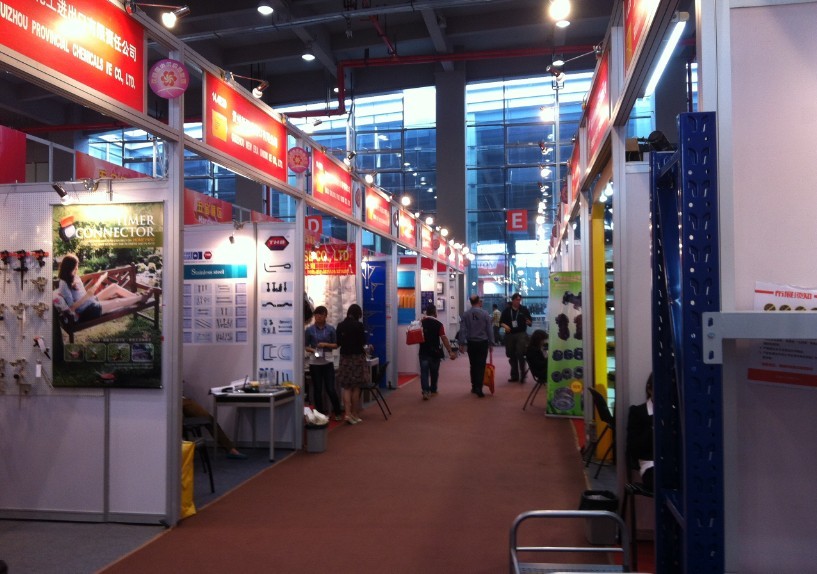
Global logistics hubs demand quick deployment, safe operations, and compliance with local engineering codes. Understanding regional procurement expectations is essential for successful system integration.
Compliance Focus: Procurement teams in these markets prioritize structural compliance with regional standards, including ANSI/RMI MH16.1 (racking design specification), OSHA safety guidelines, and EN 15512 standards in Europe.
Durability & Finish: Requirements focus on NSF certifications for cleanroom food/medical environments, durable galvanized or powder-coated finishes, and robust heavy-duty load capacities (1000kg to 3000kg per tier).
Scalability & Cost: Rapid urban expansion requires highly modular, cost-effective shelving and pallet systems that scale from manual warehouses to semi-automated facilities using roll containers and boltless racking.
Seismic Design: Regions like western South America and the Pacific Rim require racking designs engineered to handle regional seismic activity, featuring custom baseplates and bracing configurations.
Extreme Environments: Racking systems must resist high ambient heat and humidity, which requires premium corrosion-resistant coatings, such as hot-dip galvanization or high-grade carbon steel formulations.
Heavy Payload Stability: High-density industrial setups demand heavy-duty, long-span racking systems capable of safely supporting bulky industrial components under continuous cycles.
An automated warehouse is only as fast as its slowest element. Automated storage and retrieval systems rely on tight clearance profiles. The structural steel frame must be engineered to prevent deflection under heavy static and dynamic loads.
ASRS racking uses thicker cold-formed or hot-rolled profiles (Q235B or Q355B structural steel). Precise beam connections and diagonal bracing are calculated using Finite Element Analysis (FEA) to minimize structural deflection.
This structural precision is essential for Autonomous Mobile Robots (AMRs) and Automated Guided Vehicles (AGVs). Our specialized Intelligent Robot Warehouse Mobile AGV Shelves Base provides the level surface and exact layout required for robotic pickers to operate efficiently and safely.
| Parameters | Standard Racking | ASRS High-Rise Racking |
|---|---|---|
| Steel Grade | Q235B Carbon Steel | Q355B High-Strength Structural Steel |
| Vertical Deviation | H / 500 max limit | H / 1000 to H / 1200 strict tolerance |
| Deflection Limit | L / 200 | L / 300 or L / 400 (exceeds standard limit) |
| Floor Fixing | Standard anchor bolts | Precision adjustable grouting and dual-anchoring |
| Surface Coating | Regular Powder Coating | Electrostatic Epoxy Powder or Galvanized |
At Guangdong Aomeijia, we prioritize safety and durability. Our products undergo rigorous engineering audits to ensure structural integrity and compliance with international standards.
We verify each batch of incoming steel coils for tensile strength and yield performance. This step ensures structural components meet weight capacity requirements without deformation.
Welding quality is verified using ultrasonic testing. This test ensures joints can handle the continuous vibration and stress of automated picking operations.
Coating thickness is measured to ensure long-term resistance to corrosion, moisture, and chemical exposure in demanding warehouse environments.
Racks are tested under static overload conditions (up to 1.5 times rated capacity) to verify safety margins and ensure stability under maximum weight loads.
Get answers to key technical questions about storage racking, automation integration, and production quality standards.
Versatile, high-precision storage systems engineered for logistics centers, retail stores, and commercial applications.
 AomeRack