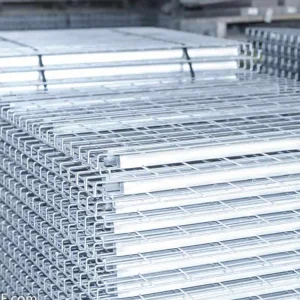
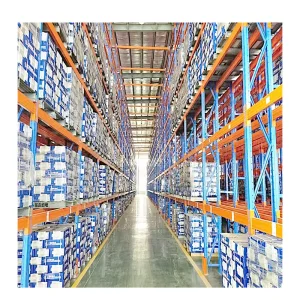
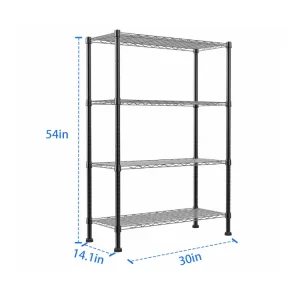
Discover heavy-duty storage configurations, automated warehousing solutions, and international standard certification processes integrated by Guangdong Aomeijia.
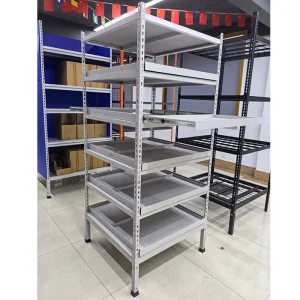
In the modern landscape of logistics, warehousing is no longer just a static operational cost center; it is a critical hub for supply chain speed, agility, and efficiency. E-commerce spikes, dynamic multi-channel distribution models, and automation trends have forced procurement executives to reconsider their storage infrastructures. Industrial storage bins, pallet racking systems, and automated guided vehicle (AGV) supporting shelves represent the fundamental structural backbone of these facilities.
For global enterprises, selecting the right storage bins manufacturer involves analyzing structural engineering capabilities, steel processing advancements, and reliable bulk manufacturing capacity. Today's facilities require modular designs that transition fluidly from manual material handling to robotic integration. As material science advances, high-tensile steel compounds allow racking structures to achieve greater load capacities while optimizing material usage. This whitepaper analyzes how strategic sourcing from top-tier Chinese manufacturing centers like Guangdong Aomeijia Metallic Products Co., Ltd. allows companies to balance structural safety, cost-effectiveness, and local regulatory compliance.
Established in 2016, Guangdong Aomeijia Metallic Products Co., Ltd. has established itself as an industry-leading manufacturer specializing in industrial shelving, pallet rack systems, and customized steel storage solutions. Spanning an expansive factory footprint of approximately 28,000㎡, the organization implements high-end automated manufacturing processes integrating mechanical design, precise sheet metal fabrication, quality inspection protocols, and global logistical distribution.
Aomeijia’s growth reflects its deep expertise and technical strength. The company records an annual export revenue of approximately US$18 million, backed by 8 years of dedicated export experience and more than 12 years of industry experience in the warehouse storage equipment sector. By engineering specialized load-bearing structures, the brand addresses both heavy-duty industrial needs and light commercial applications.
To maintain zero-defect standards, a comprehensive, multi-stage quality control structure is integrated throughout the production workflow. This includes ISO-based quality management, raw material inspection, welding inspection, coating thickness testing, load-bearing tests, and finished product inspection. Every system undergoes extensive physical testing, focusing on dimensional accuracy, welding tensile strength, uniform surface treatment, and load capacity verification before being packed and shipped. A dedicated team of 45 professional inspectors oversees these safety procedures to ensure alignment with international standards and strict buyer demands.
Additionally, with a robust global cooperation network, Aomeijia provides extensive OEM/ODM support for brands in North America, Europe, Southeast Asia, the Middle East, Australia, and South America. Through long-term collaboration with over 1,200 supply chain partners, Aomeijia guarantees a steady flow of high-quality raw materials (such as cold-rolled steel coils), reliable lead times, and competitive wholesale pricing.
This manufacturing ecosystem serves global warehouse operators, logistics companies, e-commerce businesses, retailers, wholesalers, distributors, system integrators, and industrial project contractors. Driven by R&D innovation, the engineering division—consisting of 18 experienced designers and engineers—focuses on structural calculations, warehouse space optimization, and safety margins. Every year, the team introduces approximately 120 new products and optimized storage designs to address shifting regulatory, safety, and logistical requirements globally.
China remains the global anchor for industrial metal production. Understanding the logistics, material access, and technological advantages of Chinese manufacturing hubs is crucial for procurement teams looking to optimize their supply chains.
Direct proximity to major domestic steel mills guarantees immediate access to premium Q235B and Q355 structural steel. This reduces material transportation delays and maintains uniform steel quality.
By leveraging automated robot welding stations and continuous roll-forming production lines, factories minimize human error and ensure reliable weld penetration across large production batches.
Advanced, automated electrostatic powder coating lines provide durable, corrosion-resistant finishes. These systems adhere to strict environmental standards, ensuring green-compliant coating applications.
Furthermore, Guangdong's location offers a geographical advantage. The concentration of component suppliers, testing laboratories, and deepwater ports (Shenzhen, Guangzhou, and Hong Kong) enables rapid international shipping, lower inland freight costs, and efficient container optimization. These factors translate to a lower Total Cost of Ownership (TCO) for global corporate buyers.
Industrial safety regulations vary widely across different jurisdictions. Implementing racking solutions requires strict compliance with regional building codes, fire safety mandates, and seismic risk zoning:
To meet these requirements, Guangdong Aomeijia provides localized engineering support. The engineering division utilizes Finite Element Analysis (FEA) software to simulate stress distribution under seismic loading. They also customize upright frame spacing, baseplate thickness, and anchor configurations to align with localized building codes.
Information Gain: Industrial racking failure is often caused by localized buckling of thin-walled cold-formed steel sections rather than general frame bending. Aomeijia prevents this by using multi-bend upright profiles. This design distributes structural stress and increases the load threshold under heavy loads.
Industrial racking and storage designs must adapt to the unique operating requirements of specific sectors:
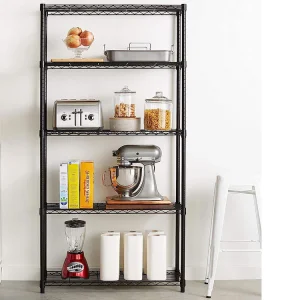
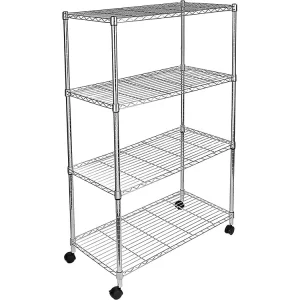
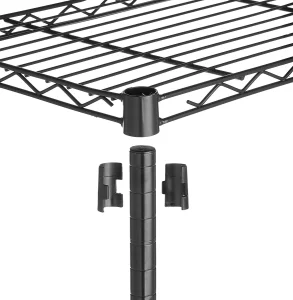
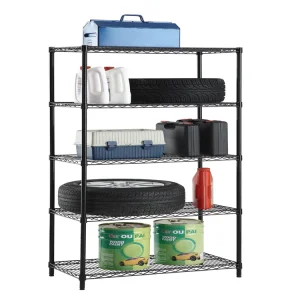
High-density picking requires hybrid shelving configurations. Multi-tier wire shelving with integrated, movable dividers allows operators to sort, store, and access thousands of small-SKU items quickly and safely.
Automated Guided Vehicles (AGV) require specialized, high-tolerance racks. The structures must maintain dimensional stability within millimeters to ensure automated mechanical arms can retrieve pallets without collision.
Sub-zero conditions cause low-carbon steel to become brittle. Aomeijia provides high-quality galvanized and specialized steel alloys designed to withstand freezing environments without cracking.
When evaluating a manufacturing partner's product catalog, procurement professionals should focus on key technical specifications:
| Racking Type | Load Range | Steel Grade | Primary Application |
|---|---|---|---|
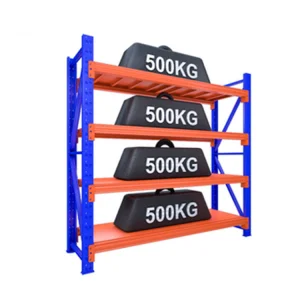
| Pallet Racking System | 500 kg - 2,500 kg / level | Q235B / Q355 Cold Rolled | Heavy Industrial Storage & Pallet Logistics |
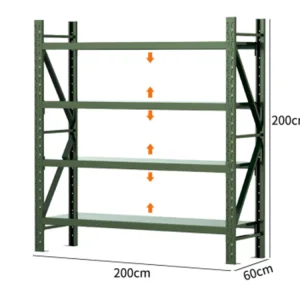
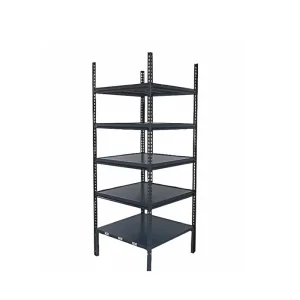
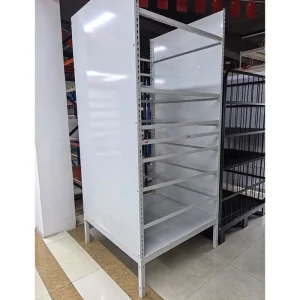
| Medium Duty Racks | 200 kg - 400 kg / layer | High-grade Structural Steel | Garages, Retail Stockrooms, Automotive Parts |
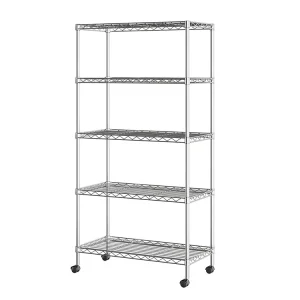
| NSF Chrome Wire Shelves | 100 kg - 250 kg / tier | Carbon Steel / Stainless Steel | Food Processing, Medical Storage, Hotels |
| AGV-Compatible Racks | Tailored to robotic limits | Precision Galvanized Frame | Smart Warehouses, AS/RS System Integrators |
By checking these metrics against your structural calculations, you can ensure that your warehouse operations remain safe and meet international insurance standards.
Addressing the technical questions of international buyers, warehouse managers, and structural engineers.
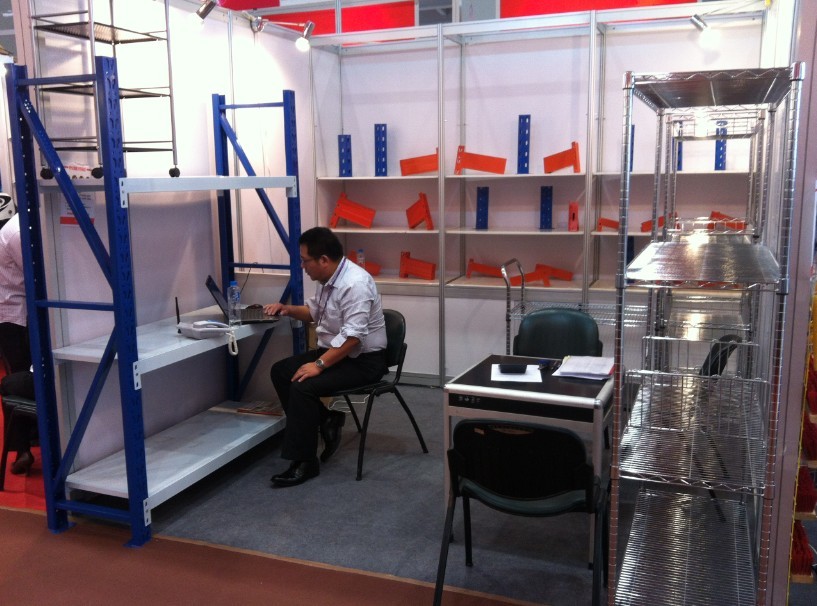
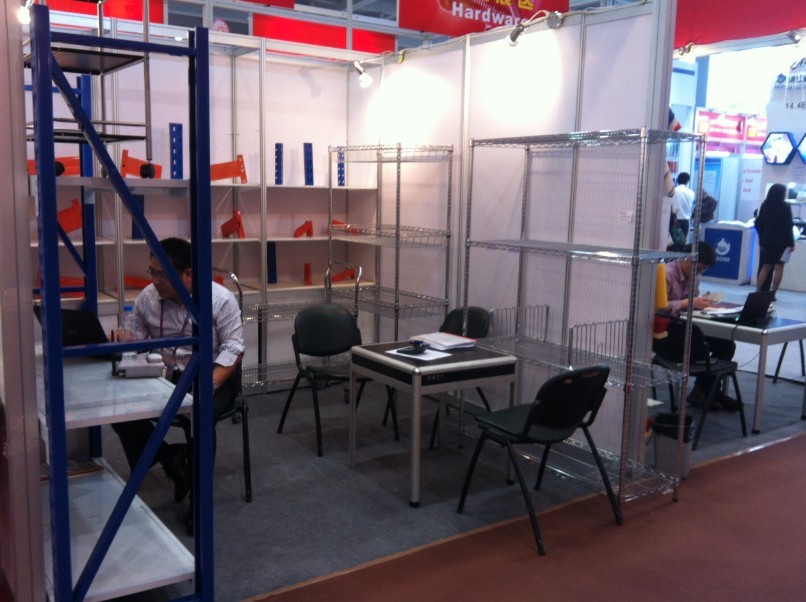
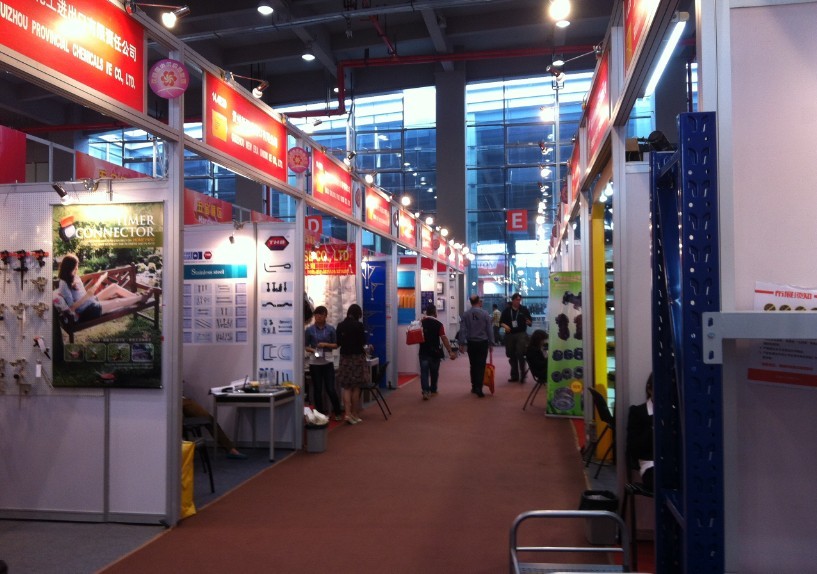
Direct engagement with global buyers at key international trade platforms, including the Canton Fair.
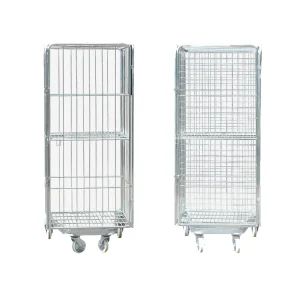
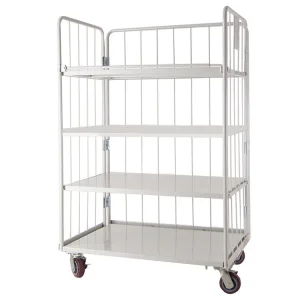
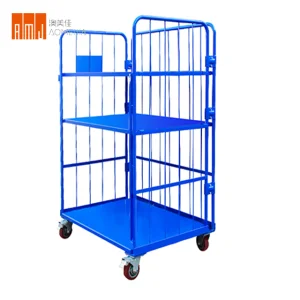
Explore our range of wire shelving units, roll cage containers, and warehouse racking components.
 AomeRack