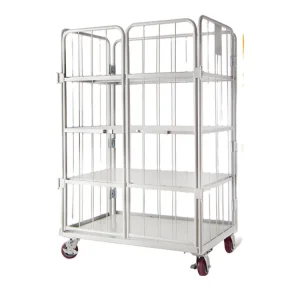
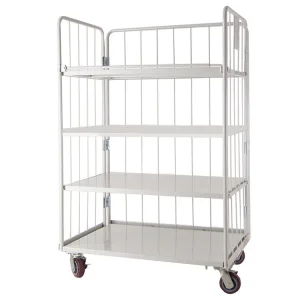
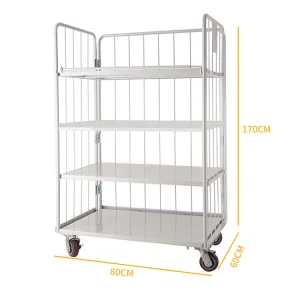
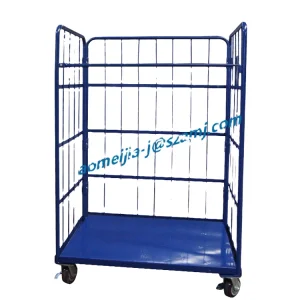
Engineered to handle severe loading demands and extreme environments. Direct from factory integration ensuring maximum return of investment.
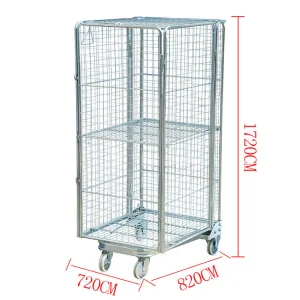
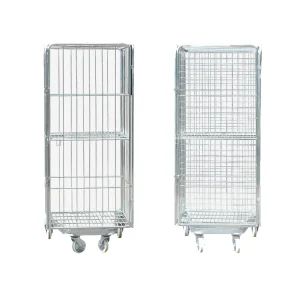
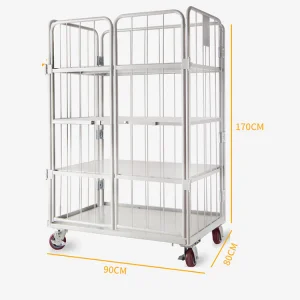
Sweden stands at the forefront of the global logistics revolution, fueled by its aggressive target to achieve net-zero greenhouse gas emissions by 2045. This environmental mandate impacts every tier of the supply chain, converting standard material handling equipment into critical assets for carbon reduction and operational optimization. In Sweden's highly integrated supply chains—ranging from pharmaceutical hubs in Uppsala to retail distribution networks in Gothenburg and Stockholm—the search for efficient, durable, and recyclable roll containers is more intense than ever.
Logistics equipment deployed in Sweden must withstand extreme temperature fluctuations. Roll containers transitioning from heated loading docks to sub-zero Nordic winter environments (frequently reaching -20°C to -30°C in northern regions) are highly susceptible to metal embrittlement and rapid corrosion from road salt and condensation. To mitigate these risks, Aomeijia employs advanced structural steel grades and specialized surface finishings. Our hot-dip galvanized and zinc-plated coatings undergo rigorous salt-spray validation testing to ensure long-term structural integrity. We guarantee that structural joints and hinges resist cracking, remaining fluid and functional in harsh Nordic climates.
Ergonomic & Safety Regulations: In compliance with the Swedish Work Environment Authority (Arbetsmiljöverket) guidelines, manual load lifting must be minimized. Roll containers must feature low rolling resistance and secure locking mechanisms. Our designs utilize high-grade polyurethane and elastic rubber castors with precision ball bearings to significantly reduce starting and rolling resistance, lowering the risk of musculoskeletal injuries among logistics personnel.
Globally, supply chain managers struggle with rising fuel costs and the operational overhead of reverse logistics. The "nestability ratio" of roll containers has become a vital metric for shipping efficiency. When returning empty roll cages, static volume occupancy represents lost profit. Aomeijia’s nestable and collapsible 3-sided and 4-sided roll containers are engineered to collapse down to a fraction of their assembled volume. This design allows transporters to maximize return-trip loading capacities, directly reducing the carbon footprint per unit transported and optimizing warehouse space during periods of low inventory demand.
How Aomeijia roll containers address localized storage, distribution, and automated challenges throughout Sweden.
Supporting Swedish postal and private couriers (like PostNord and DHL Nordics) with lightweight, high-capacity collapsible roll containers. Designed to quickly load packages from distribution hubs directly into delivery trucks, reducing dwell times and cargo damage.
For Swedish grocery chains such as ICA, Coop, and Axfood, we provide silent roll containers with non-marking rubber wheels and noise-dampening plastic bases. These features facilitate overnight inner-city deliveries without violating noise ordinances.
Supplying hygienic, high-security 4-sided roll containers to Sweden's regional hospitals and commercial laundry services. Anti-bacterial coating options, paired with dust covers and identity cardholders, ensure clean transport of sterile medical textiles.
As a seasoned manufacturer based in Guangdong, China, Guangdong Aomeijia Metallic Products Co., Ltd. bridges the gap between cost-effective bulk production and premium European quality expectations. Operating a massive 28,000 square meter factory, we utilize highly automated manufacturing systems, including robotic welding arms, CNC tube-bending machinery, and advanced powder-coating lines. This automated framework minimizes human error, ensures consistent weld quality across large production runs, and helps us maintain competitive price points.
We believe quality is designed into the manufacturing process, not just inspected afterward. Our quality assurance framework is built around an ISO 9001-compliant management system. To maintain strict standards, we employ a dedicated quality team of 45 professional inspectors who oversee the following operational checkpoints:
OEM and ODM Competency: With 12 years of industry experience and 8 years of export expertise, Aomeijia has developed tailored storage solutions for over 1,200 supply chain partners globally. Whether you need custom dimensions to fit specialized transport vehicles or RFID-tag integration for fleet tracking, our R&D department of 18 experienced engineers can deliver detailed CAD layouts and functional prototypes within 7 to 10 working days.
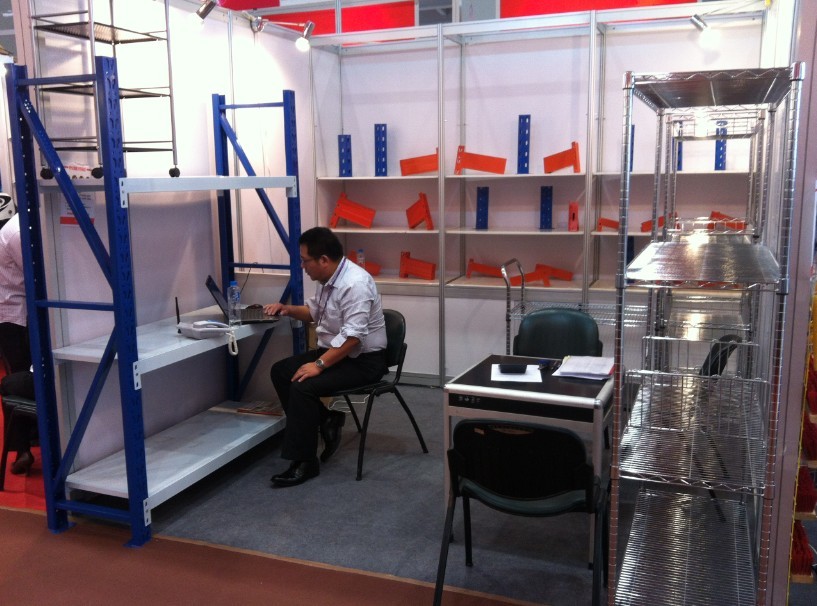
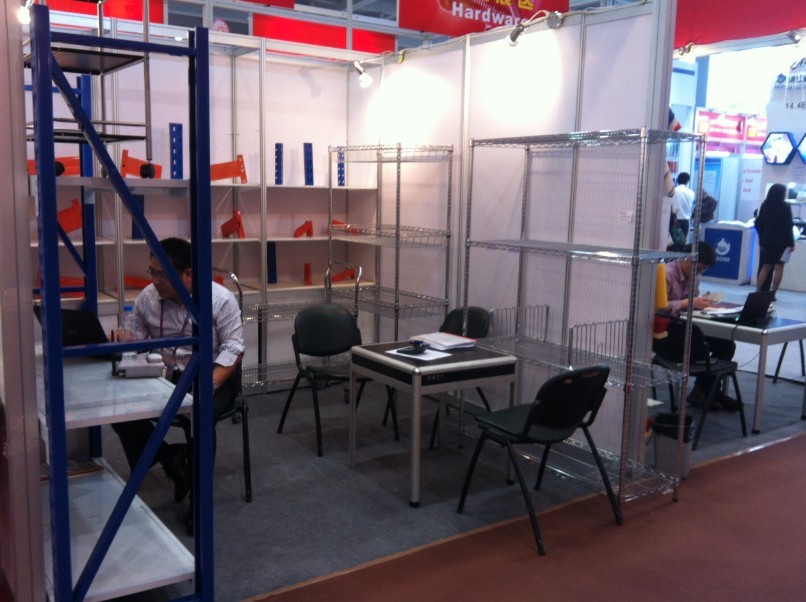
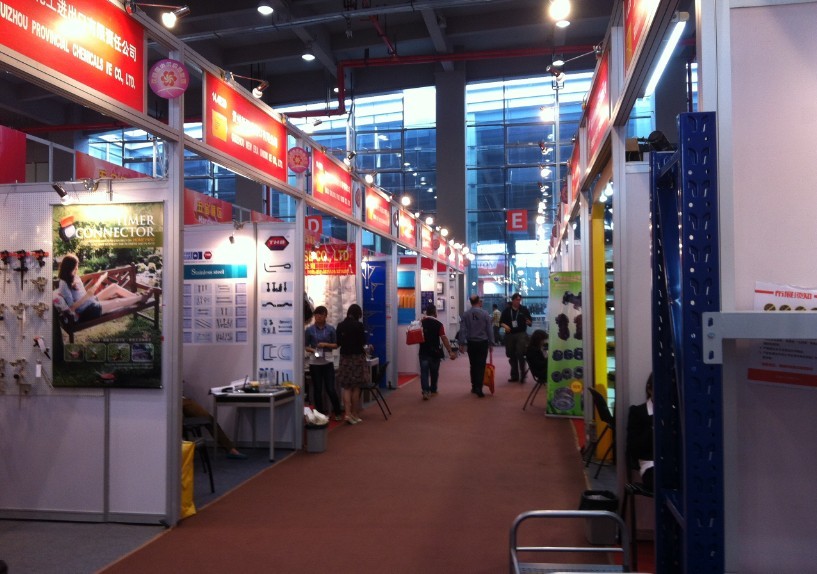
Our commitment to transparency and global supply standards is demonstrated through our active participation in global trade exhibitions and verified factory operations. Below is a glance at our export team showcasing our capabilities at the Canton Fair:
The roll container industry is shifting from basic mechanical carriers to integrated smart logistics components. As warehouses adopt automation, roll containers are being redesigned to interface with Automated Guided Vehicles (AGVs) and Autonomous Mobile Robots (AMRs).
Modern distribution hubs require roll containers with highly consistent dimensions, precise wheel alignments, and structural reinforcement zones. Aomeijia works closely with system integrators to manufacture roll containers that feature standardized base plates and specialized optical targets. This design allows automated forklift systems to identify, lift, and transport containers safely throughout the warehouse without human intervention.
As carbon taxes and environmental regulations tighten across Europe, corporate buyers look closely at product life cycles. Aomeijia supports sustainable supply chains by using 100% recyclable low-carbon steel. Our manufacturing processes are designed to minimize scrap metal waste, and all surface treatments comply with EU REACH and RoHS environmental standards. Choosing Aomeijia helps Swedish buyers align with their corporate ESG commitments.
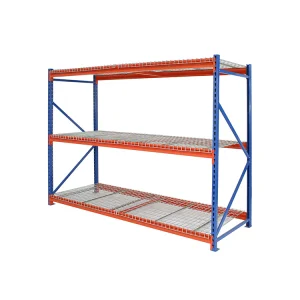
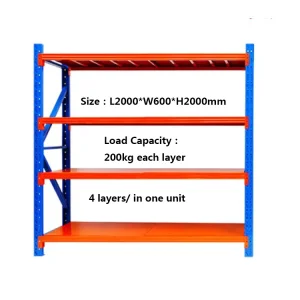
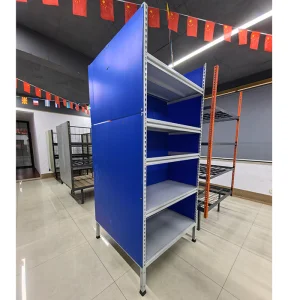
Explore our wide selection of storage and transport solutions, ranging from space-saving collapsible roll cages to heavy-duty industrial racking systems.
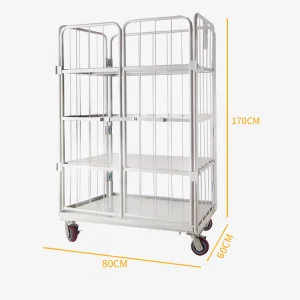
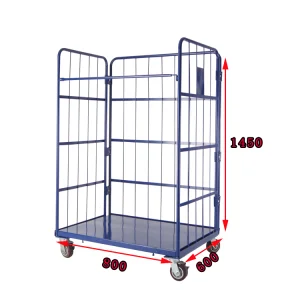
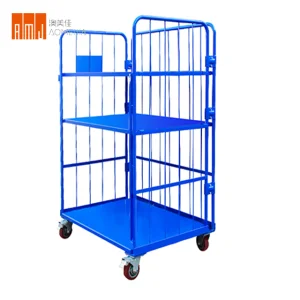
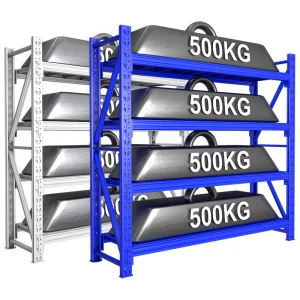
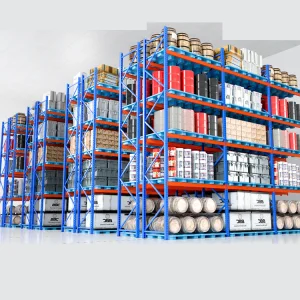
Comprehensive high-density warehouse storage systems engineered to optimize vertical space and improve picking accuracy.
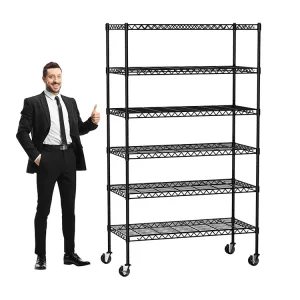
Expert answers to the most common questions about load limits, materials, logistics, and compliance for the Nordic market.
 AomeRack