Standardized heavy-duty storage configurations designed for logistics parks, factories, and supply chain hubs in Bangkok and Samut Prakan.
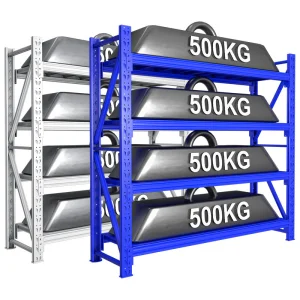
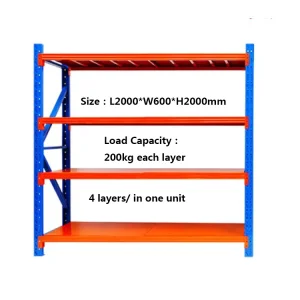
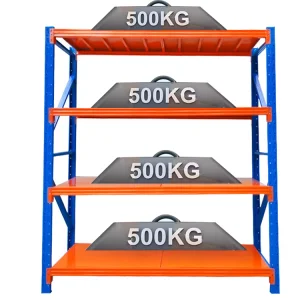
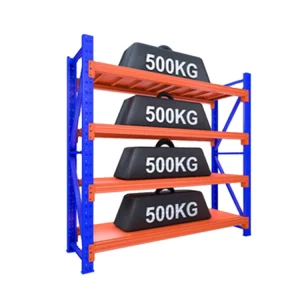
The Kingdom of Thailand is rapidly positioning itself as the primary logistics gateway and industrial manufacturing epicenter of the Association of Southeast Asian Nations (ASEAN). Propelled by government initiatives such as the Eastern Economic Corridor (EEC) development plan, industrial zones across provinces like Chonburi, Rayong, and Chachoengsao are experiencing unprecedented infrastructure growth. The explosive demand for modern warehousing has driven a critical paradigm shift: traditional, low-density storage methods are no longer sufficient. Local businesses and global enterprises operating within Thailand must utilize heavy-duty, highly engineered structural racking networks to optimize vertical space and maintain seamless supply chain operations.
This massive logistical expansion demands racking systems capable of handling a broad spectrum of cargo. As manufacturing sectors—including automotive manufacturing, electronics assembly, food and beverage processing, and cold-chain cold-storage operations—expand, the reliance on high-load capacity steel structures becomes non-negotiable. Whether configuring simple selective pallet racking for flexible inventory access or advanced automated shuttle systems, warehouse operators in Thailand face unique structural challenges that require strict adherence to international engineering guidelines.
Racks built for complex automotive parts storage, incorporating heavy-duty tooling racks, cantilever rack networks, and customized steel pallets to streamline just-in-time (JIT) production lines.
Optimized drive-in and radio shuttle racking frameworks engineered from sub-zero certified steel, utilizing specialized anti-corrosive powder coatings to resist thermal fluctuations down to -30°C.
Multi-tier mezzanine storage decks and boltless selective racking configurations that facilitate high-frequency picker paths, maximizing floor space in Bangkok's urban logistics hubs.
Designing racking systems for Thai warehouses requires deep familiarity with localized geotechnical and atmospheric conditions. Coastal areas—such as Samut Prakan and Chonburi—experience sustained high relative humidity and salt-laden air, which accelerate the oxidation and degradation of ferrous metals. Standard paint finishes degrade quickly under these conditions. To counter this, storage racks destined for coastal Thai deployments must undergo thorough surface preparation, including professional shot-blasting, chemical pickling, and electrostatic powder coating applications that exceed 60 to 80 microns in thickness, guaranteeing structural integrity over decades.
Geotechnical considerations also require strict engineering compliance. While southern and central Thailand feature relatively stable geology, northern regions (such as Chiang Mai and Chiang Rai) demand rigorous seismic design considerations. In accordance with local building control regulations and international seismic standards (such as FEMA or European EN 15512 codes), racking must be calculated using advanced structural calculations. This includes integrating thickened baseplates, heavy-duty floor anchor bolts, specialized diagonal bracing configurations, and highly ductile steel grades (such as Q235B or Q355 structural steel) to absorb seismic energy without collapse.
The warehousing landscape is shifting rapidly from static storage systems toward dynamic, semi-automated, and fully automated storage and retrieval systems (AS/RS). Modern material handling operations in Southeast Asia are increasingly adopting hybrid configurations. In these setups, static selective pallet racks coexist with high-density radio shuttle carts, vertical lift modules (VLMs), and automated guided vehicles (AGVs). This technological transition requires tight tolerances during the rack fabrication phase; even a slight millimeter-level deflection in rack uprights can halt automated shuttle systems or cause sensor failure in robotic retrieval units.
Our engineering division actively designs racking systems with these automation-ready tolerances. By utilizing precision roll-forming technologies and automated welding systems, we ensure that upright alignments, beam deflections under maximum loads, and safety lock mechanisms operate with consistent accuracy. Planning for future automation today allows companies in Thailand to deploy structural rack frameworks that can be converted into automated configurations down the line, saving significant capital expenditure as business operations scale.
| Racking Type | Storage Density | Selectivity | Forklift Dependency | Target Application in Thailand |
|---|---|---|---|---|
| Selective Pallet Racking | Low - Medium | 100% (High) | High | General retail distribution, FMCG depots, spare parts storage. |
| Drive-In / Drive-Through | High | Low (LIFO/FIFO) | High (Enters Racks) | Cold storage facilities, bulk seasonal food warehouses. |
| Radio Shuttle Racking | Very High | Medium | Low (Shuttle handles lane) | Large-scale beverage manufacturers, high-density logistics hubs. |
Managing global industrial supply chains requires balancing cost-efficiency with uncompromising engineering standards. Established in 2016, Guangdong Aomeijia Metallic Products Co., Ltd. offers a robust manufacturing partnership for warehouse operators across Thailand. Operating a 28,000㎡ production facility in Guangdong, we have built a fully integrated supply system spanning raw material procurement, structural engineering, precision roll forming, robotized welding, and automated surface treatment. This infrastructure ensures complete quality control and competitive pricing for the global market.
With over 12 years of industry experience in warehouse storage solutions and 8 years of dedicated export history, we understand the logistical requirements of cross-border trade. Shipping directly from China to Thailand’s primary ports, including Laem Chabang and Bangkok Port, our processes minimize transit times and simplify customs clearance. Our annual export revenue of US$18 million is supported by a network of over 1,200 supply chain partners, ensuring stable raw material sourcing even during volatile market cycles.
Our quality assurance program is built on strict international testing standards. We maintain a team of 45 professional inspectors who monitor every phase of the manufacturing process. From raw material mill certificate validation to dimensional inspections of roll-formed uprights, every component is tracked. Before dispatch, we subject our products to load capacity tests, weld penetration tests, and coating cross-hatch tests to confirm they meet or exceed loading configurations. This meticulous quality control ensures that our structural systems install smoothly on-site and perform reliably under maximum capacity.
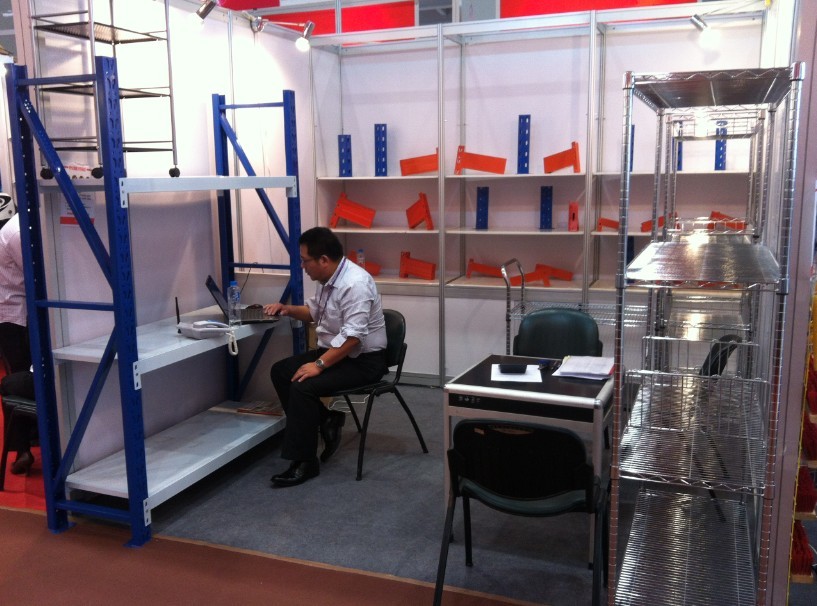
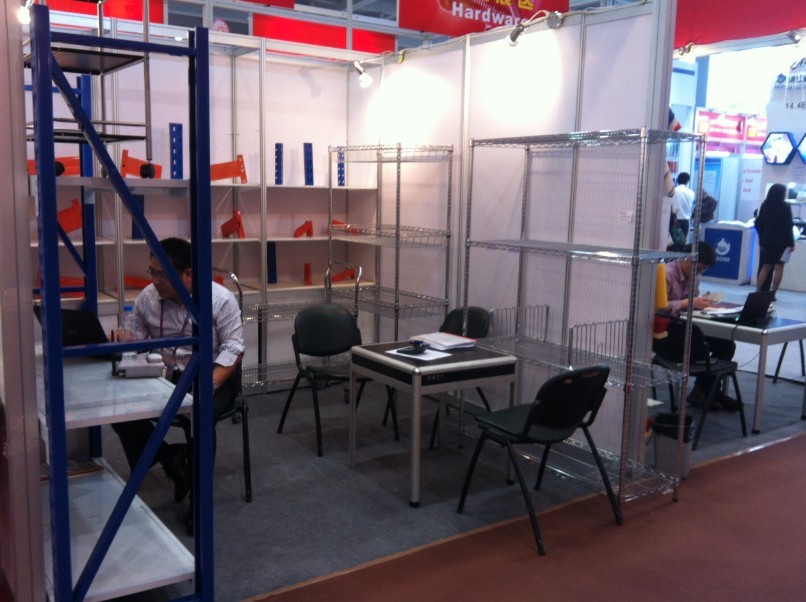
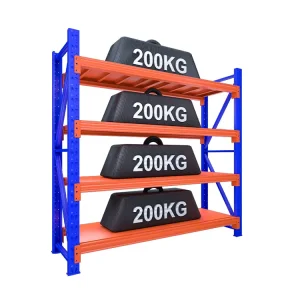
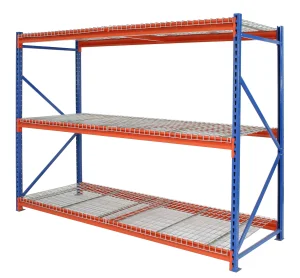
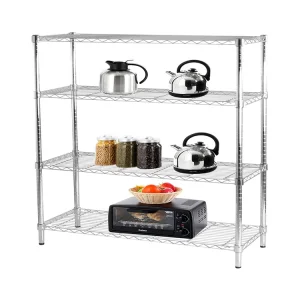
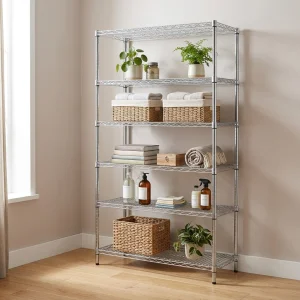
Explore our range of heavy-duty, medium-duty, and specialized handling products tailored for the Thai market.
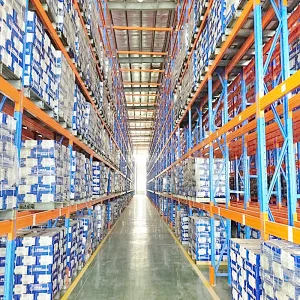
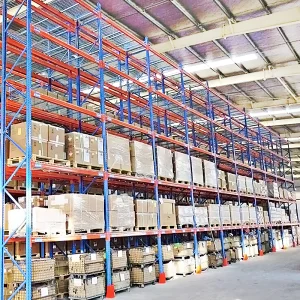
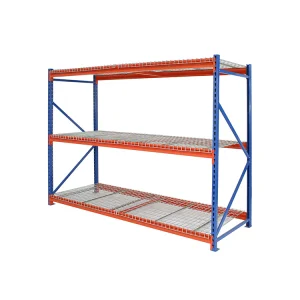
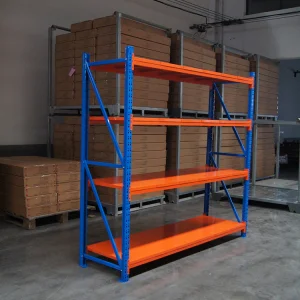
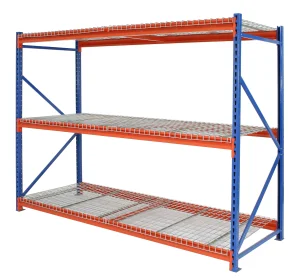
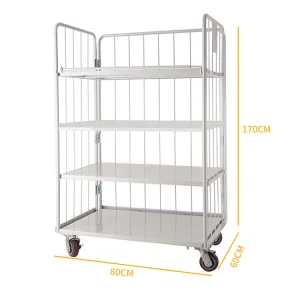
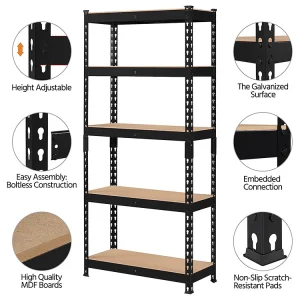
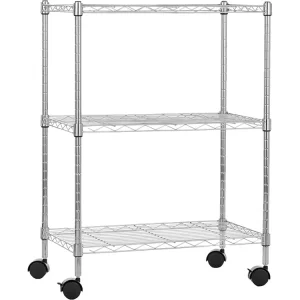
Get detailed answers about exporting, customs clearances, loading capacities, and structural compliance for warehousing in Thailand.
Yes. Our engineering department uses structural calculation software to design systems according to international standards (such as EN 15512 and RMI specifications), which align with Thai ministerial regulations for seismic designs. If your project is located in a seismically active area such as northern Thailand (Chiang Mai, Chiang Rai) or on soft soils like Bangkok, we adjust the upright profile thickness, baseplate size, and bracing patterns accordingly.
We use a multi-stage pre-treatment process that includes acid pickling, phosphating, and rinsing to remove mill scale and oil. This is followed by an electrostatic powder coating application (thickness of 60–80 microns) and thermal curing. This process provides strong resistance to high humidity and air salinity. For high-corrosion environments or cold-storage applications, we also offer hot-dip galvanized finishes.
Our factory is located near major container ports in Guangdong (including Guangzhou and Shenzhen). Shipping to Thailand’s primary ports, such as Laem Chabang or Bangkok Port, typically takes 5 to 9 days in transit. We handle all export documentation, custom packaging, and loading optimization, and we support multiple shipping terms, including FOB, CIF, and DDU.
Yes, we specialize in custom manufacturing. Our team of 18 R&D engineers designs custom warehouse storage configurations based on your space constraints, pallet dimensions, forklift specifications, and target load capacities. We provide CAD layouts, detail drawings, and weight-loading calculations before production begins.
Every product line undergoes mechanical testing. We perform physical load-bearing and compression tests on upright frames and beams to verify safety margins. Our team of 45 quality inspectors verifies steel grades, weld penetration, and dimensional consistency to ensure every rack system meets its specified load rating.
Our manufacturing facility and management systems conform to ISO standards. Our wire shelving products are NSF-certified for food contact and cleanroom environments, making them suitable for pharmaceutical, food processing, and hospitality sectors across Thailand.
 AomeRack