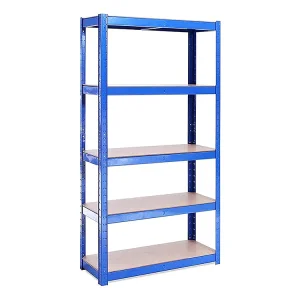
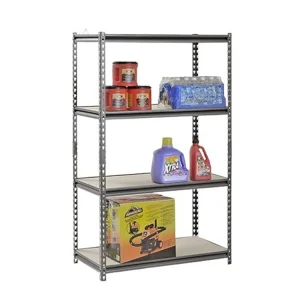
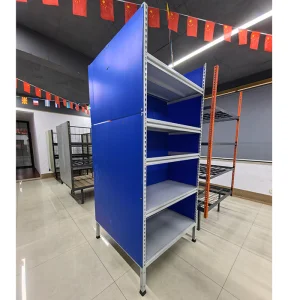
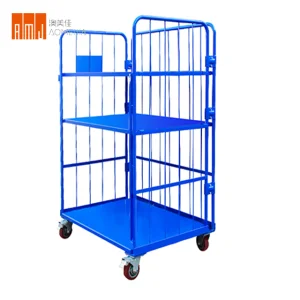
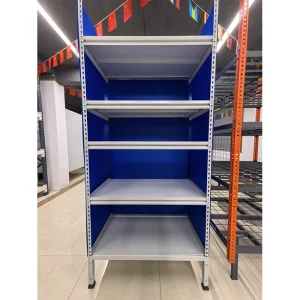
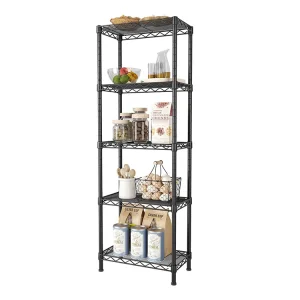
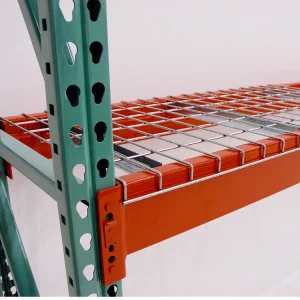
Browse our premier selection of heavy-duty industrial racking, automated warehousing units, and specialized structural systems optimized for ultimate space efficiency and safety compliance.
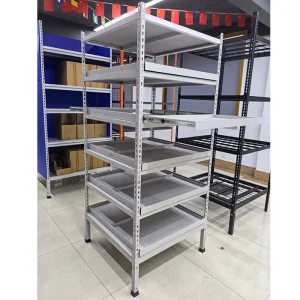
An in-depth analysis of supply chain dynamics, micro-fulfillment expansions, and structural demands transforming logistics infrastructure.
The global logistics market has shifted from simple storage footprints to high-density, vertical spatial utilization. As land values escalate near major metropolitan and maritime hubs, logistics operators must optimize every cubic meter. Heavy-duty racking systems are no longer structural afterthoughts; they are critical capital assets that dictate the throughput speed, loading metrics, and operating margins of high-performance supply chains.
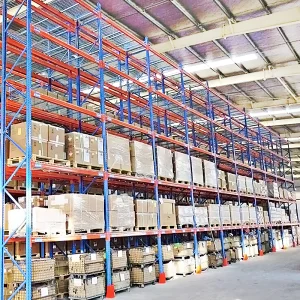
Industrial facilities are adopting Very Narrow Aisle (VNA) configurations, push-back storage, and drive-in pallet architectures. These complex layouts require rigid tolerances that standard shelving cannot support. Upright frame alignments, cross-beam deflections, and load capacity ratios must be engineered using specialized software to ensure structural stability under static and dynamic loading.
"Safety, structural rigidity, and compliance with local seismic guidelines represent the primary metrics of modern material handling design. High-bay pallet systems now regularly exceed heights of 15 meters, demanding precision manufacturing of vertical uprights."
Automation has catalyzed a massive integration of Automated Guided Vehicles (AGVs) and Autonomous Mobile Robots (AMRs) into modern racking design. This shift has altered traditional storage tolerance margins. Automated robots depend on millimetric precision to locate, pull, and place payloads. Any structural deflection of the beam profiles or floor level deviations can cause navigation failures or load extraction errors.
Top-tier heavy-duty racking manufacturers must design structures specifically adapted for robotic interfaces. This includes integrating guided floor channels, custom trolley shelves, and sensor-reflective surface coatings. As factories evolve into fully dark warehouses, structural reliability remains the first line of defense against costly operational interruptions.
Essential components that procurement departments, warehouse architects, and engineers must evaluate to minimize operational risk and optimize cost efficiency.
Compliance with global norms like EN 15512, ANSI/RMI MH16.1, and AS4084 is mandatory to satisfy insurance mandates and occupational safety protocols.
Racking systems rely on steel alloy properties. Demanding structural certifications like high-strength Q235B or Q355B carbon steel ensures superior load capacity.
Electrostatic powder coatings must yield high adhesion levels and corrosion resistance, particularly for temperature-controlled cold chain operations.
| Racking Architecture | Structural Load Rating | Ideal Application Scenario | Key Operational Advantage |
|---|---|---|---|
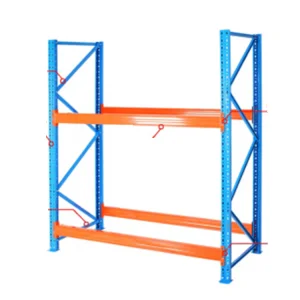
| Heavy Duty Selective Pallet Racking | 1,000 kg – 4,500 kg / Level | General Warehousing & FMCG Hubs | 100% immediate product selectivity |
| Drive-In / Drive-Through Systems | Up to 2,000 kg / Pallet Position | Cold Storage & High-Density Warehouses | Eliminates access aisles; maximizes cube space |
| Automated AGV/AMR Supporting Racks | 500 kg – 2,500 kg / Bay | Automated Fulfillment Centers | Millimeter-level dimensional tolerances |
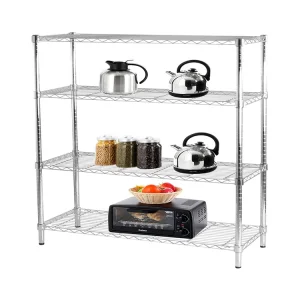
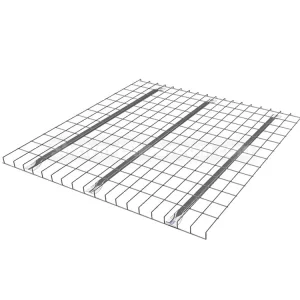
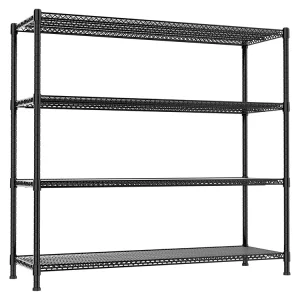
| Heavy Duty Wire Mesh Decking Units | Up to 1,500 kg / Level | Retail, E-commerce, High-Value Cargo | Enhanced fire sprinkler penetration & safety |
How automation, precision production ecosystems, and supply network integration deliver unmatched global price-performance ratios.
China's manufacturing landscape has transitioned from labor-intensive assembly to Factory 4.0 automated processes. For heavy-duty metal fabrication, this shift directly impacts structural reliability. Leading manufacturing facilities utilize fully automated CNC roll-forming lines, computerized welding stations, and automated electrostatic powder coating plants that maintain consistent output profiles.
This level of automation ensures that every upright, beam, and connector is manufactured to micro-millimetric tolerances. Minimizing deviations during manufacturing simplifies installation on-site and prevents structural stress points during operational use.
Monitors thickness and profiles across production runs. This guarantees consistent physical load limits and prevents structural deformities.
Provides deep penetration welds with minimal spatter. This eliminates potential structural weak points along crucial load-bearing joints.
Guarantees consistent steel access, helping maintain stable production lead times and pricing even amid global market volatility.
Tailored engineering designs custom-built for specific commercial, logistics, and manufacturing environments.
Utilizes steel structural elements formulated to maintain load-bearing capacities in sub-zero environments, paired with corrosion-resistant finishes.
Constructed with specialized baseplate connections and guide rails to ensure continuous robot travel alignment and minimal structural vibrations.
Configured with adjustable, multi-level selective racks to facilitate rapid SKU changes, optimal inventory access, and hand-stacking options.
A trusted global leader in structural engineering, automated warehousing solutions, and high-performance industrial storage fabrication.
Established in 2016, Guangdong Aomeijia Metallic Products Co., Ltd. is a leading manufacturer specializing in industrial shelving, warehouse storage racks, heavy-duty pallet systems, and customized steel storage solutions. With an expansive production facility measuring approximately 28,000㎡, the company manages an integrated supply system encompassing technical design, raw material sourcing, automated fabrication, and global logistics.
Backed by 8 years of export experience and over 12 years of core industry experience in the warehouse equipment sector, the company generates an annual export revenue of roughly US$18 million. This global track record reflects Aomeijia's focus on engineering standards and quality assurance protocols.
Aomeijia implements strict quality control (QC) procedures across the entire fabrication cycle. Our quality assurance system includes:
Our dedicated QA division features 45 professional inspectors who verify that every batch meets international standards and customer specifications before leaving the factory.
With strong ODM and OEM capabilities, Aomeijia designs and builds storage systems for major international markets, including North America, Europe, Southeast Asia, the Middle East, Australia, and South America. Through partnerships with over 1,200 supply chain collaborators, the company maintains stable raw material pricing and rapid production times.
Our engineering division consists of 18 professional R&D engineers who specialize in warehouse space optimization and structural design. Each year, we develop approximately 120 new products and optimized storage solutions to meet the shifting demands of modern supply chains.
Providing detailed engineering and procurement answers based on international warehouse design codes.
Explore our high-density pallet racking, industrial mobile utility shelves, and customizable heavy duty steel units.
 AomeRack