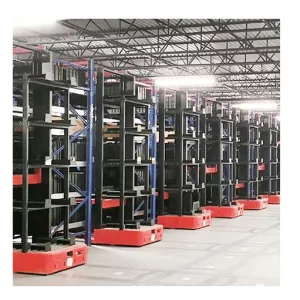
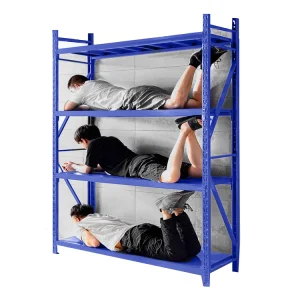
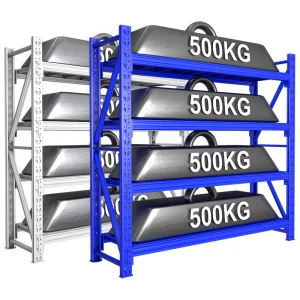
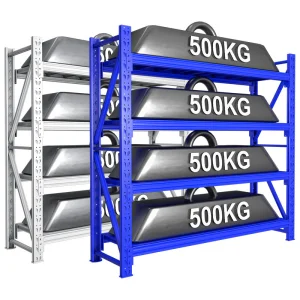
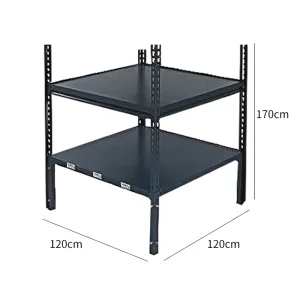
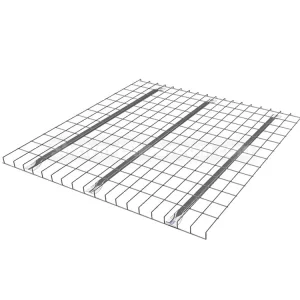
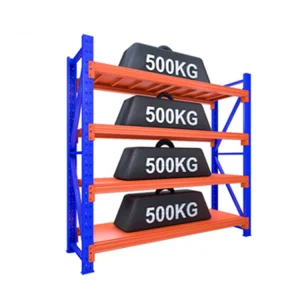
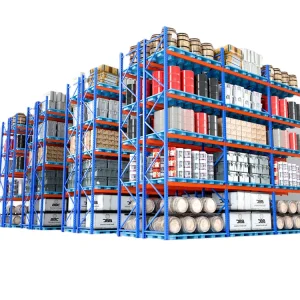
Precision-engineered configurations optimized for high mechanical stability, safety, and integration with modern Automated Guided Vehicles (AGV).
Modern supply chains require more than standard static steel shelving. The global rise of e-commerce, high-density warehousing, and Automated Guided Vehicles (AGV) has fundamentally shifted procurement needs. Today's industrial utility platforms must function as structural foundations for automated logistics, with micro-millimeter precision tolerances, high dynamic structural load capacity, and seamless system integrations.
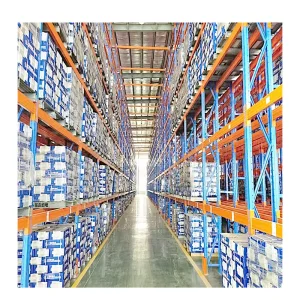
In high-density material handling, "Utility Platforms" describe the integration of structural heavy-duty racking, mezzanine systems, and high-tolerance steel shelving units. Top-tier manufacturers focus on steel grades (like Q235B or Q355B), specialized surface coatings (powder coatings, galvanizing, or epoxy), and mechanical precision, ensuring compatibility with mobile robotic components such as shuttle systems, AMRs, and AGVs.
As logistics facilities grow taller and narrower, mechanical engineering requirements expand. Seismic zone certifications, finite element structural analysis (FEA), and reliable chemical powder coatings are now standard expectations. Top manufacturers offer vertically integrated production facilities—combining automatic roll forming, robotic welding, and automated surface treatment pipelines under strict Quality Control (QC) frameworks.
Global procurement teams must assess manufacturers beyond unit cost. The total cost of ownership (TCO) is directly tied to structural longevity, system compatibility, and compliance. When looking for the top utility platforms manufacturers, companies prioritize:
For automated warehouses utilizing AGV systems, a tolerance deviation of just 2mm can halt robots. Top manufacturers use automated roll forming and laser cutting to ensure millimetric reliability.
Heavy-duty systems must use structural steel certified to international quality systems. Raw materials are verified through tensile testing and chemical analysis prior to manufacturing.
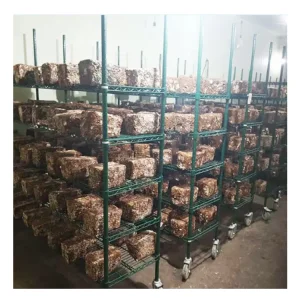
Whether it is NSF-certified green epoxy for agricultural growth or hot-dip galvanizing for cold storage facilities, surface treatments must protect against corrosion and chemical exposure.
Established in 2016, Guangdong Aomeijia Metallic Products Co., Ltd. has developed into a leading developer and manufacturer of industrial racking systems, warehouse storage platforms, and custom metallic structures.
Our quality management is built on rigorous raw material selection and ISO-compliant operations. The inspection team consists of 45 professional QA/QC inspectors monitoring every phase of production. We conduct raw material structural analysis, welding strength testing (nondestructive ultrasonic testing), powder coating micro-hardness and thickness measurements, and structural load-bearing tests.
Our R&D department features 18 experienced mechanical engineers who develop custom structural storage options, producing over 120 new custom products and optimized warehouse designs every year. We offer tailored customization of rack dimensions, material compositions, load capacities, colors, and spatial layout planning.
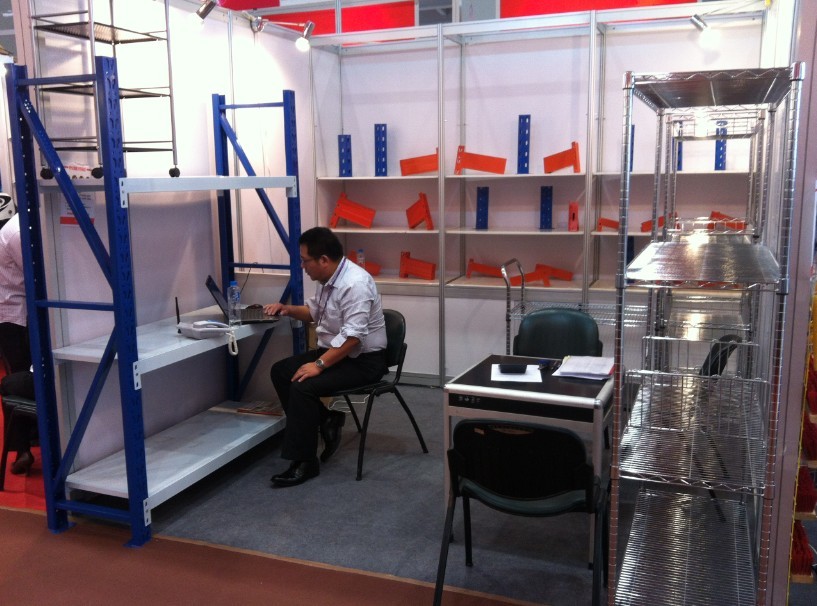
Logistics operators and industrial facility managers face unique warehouse challenges. System designers create tailored storage configurations to maximize floor space and efficiency:
Industrial storage products must comply with regional construction codes and safety regulations. Global projects require manufacturers to meet international engineering and safety certifications:
In North America, structural calculations for steel storage racks must conform to RMI (Rack Manufacturers Institute) and ANSI MH16.1 specifications, ensuring static stability under maximum design loads.
For European markets, compliance with European EN standards ensures steel racks are designed with appropriate structural margins to resist buckling, wind loads, and seismic activity.
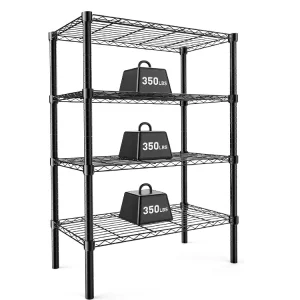
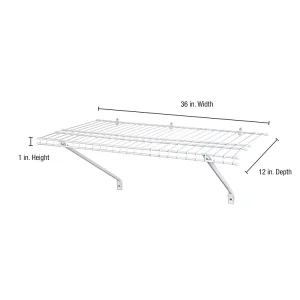
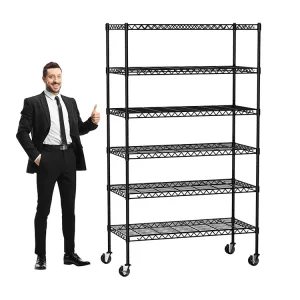
For food service, pharmaceutical, and cleanroom environments, wire shelving requires NSF certification to confirm that materials are non-toxic, easy to sanitize, and rust-resistant.
Aomeijia maintains compliance across global regions, supporting distributors and project managers with structural engineering assessments, loading capacity calculations, and custom material mill test reports (MTR).
The industrial storage industry is transitioning from passive steel components to smart, sensor-enabled systems. Over the next five years, key manufacturing developments will include:
Connecting with international purchasers, engineering firms, and logistics operators to showcase our design innovations and production capabilities.
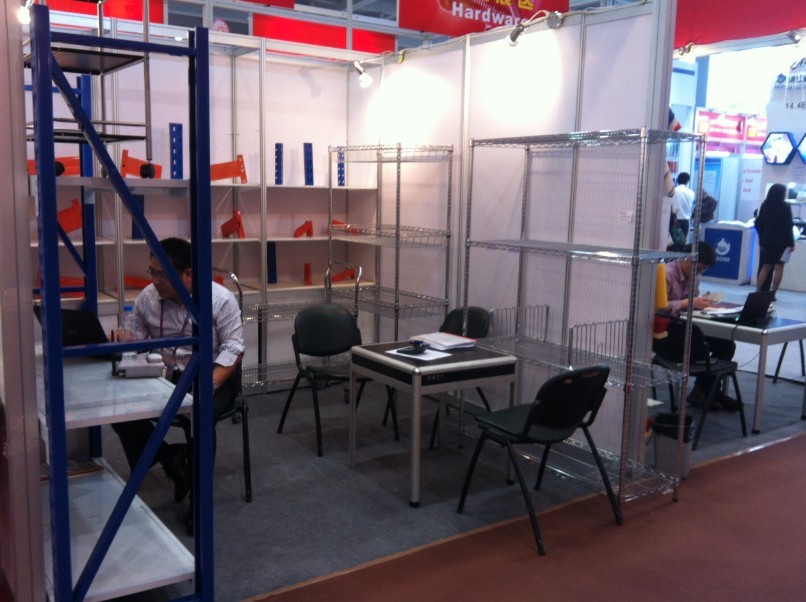
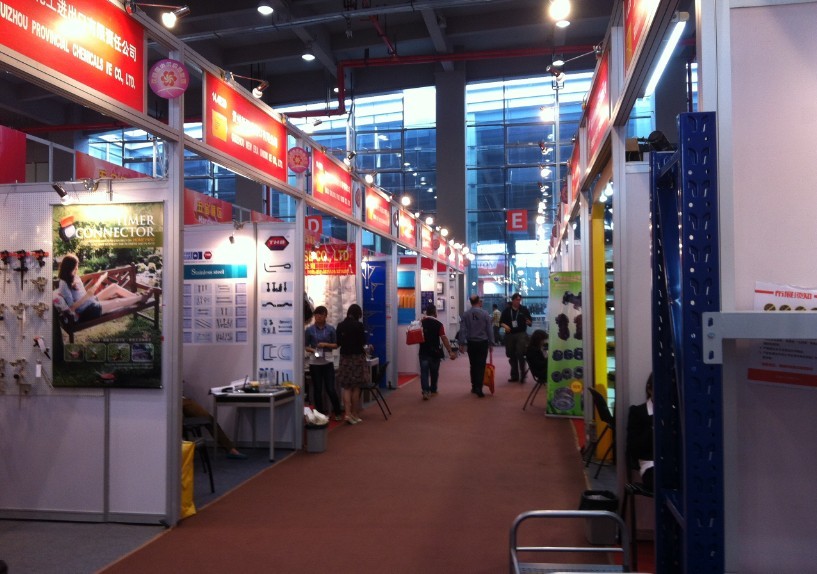
Key technical and procurement insights for engineers, operations managers, and purchasing professionals.
Engineered for warehouse operations, cold storage facilities, and high-density industrial applications.
 AomeRack