Heavy-duty systems, custom components, and smart factory integrations built for high load-bearing reliability.
Modern global logistics networks demand more than just static shelving. Today's warehousing ecosystem requires structurally optimized, highly scalable, and modular configurations. Global procurement directors in third-party logistics (3PL), cold-chain networks, distribution channels, and automated fulfillment hubs search for capital efficiency, reliable weight loading capacities, and systemic compliance.
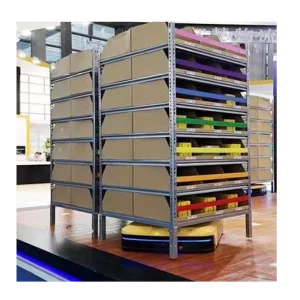
Structural alignment compatibility with Automated Guided Vehicles (AGV) and Autonomous Mobile Robots (AMR). Standard physical layouts are transitioning to digital-twin ready systems.
Ensuring compliance with local environmental and work safety standards (such as OSHA, NSF, and RMI requirements) is essential for avoiding regulatory delays and ensuring seamless site certification.
Maximizing volumetric storage space per square meter. The global rise in real estate costs has turned high-bay structures and narrow-aisle (VNA) systems into operational necessities.
Engineered storage solutions are shifting away from generic steel racks toward modular, specialized materials. Key structural shifts include the use of micro-alloyed, high-tensile steel to reduce deadweight while maintaining heavy load ratings, and the application of clean, food-safe, rust-inhibiting finishes like trivalent zinc plating or electrostatic powder coats. Enterprise buyers need storage solutions designed for structural resilience, adaptability, and minimal maintenance over long operational lifecycles.
As a global hub for metal fabrication, the industrial clusters in Guangdong provide distinct structural advantages for global buyers seeking reliable, large-scale storage manufacturing partners. Guangdong Aomeijia Metallic Products Co., Ltd. sits at the heart of this ecosystem, leveraging regional advantages to deliver high-quality products at competitive prices.
Direct supply contracts with domestic steel plants ensure a stable supply of high-grade steel coils. This raw material security stabilizes manufacturing schedules and shields buyers from extreme price volatility.
Our production facilities utilize automated multi-station cold roll forming lines, precise CNC laser cutting, and robotic welding stations. Automated production ensures uniform dimensional tolerances and consistent weld quality across large production runs.
Proximity to major shipping hubs in Shenzhen, Guangzhou, and Hong Kong streamlines transport. This direct access simplifies customs procedures, shortens transit windows, and lowers overall freight costs.
With an annual export volume of approximately US$18 million and more than 12 years of industry experience, Aomeijia bridges the gap between cost-efficient mass production and international engineering standards. This balance makes us a trusted supply partner for heavy-duty warehousing systems worldwide.
Established in 2016, Guangdong Aomeijia Metallic Products Co., Ltd. is a manufacturer specializing in warehouse storage racks, industrial shelving systems, pallet racks, and custom metal storage solutions. Operating from a 28,000㎡ facility, we manage the entire production cycle in-house—from design and material selection to manufacturing, surface treatment, and global shipping.
Quality control is handled by a dedicated team of 45 professional quality inspectors. Our quality management system covers every stage of production:
To support product development and custom requests, our R&D department features 18 experienced engineers. The team designs customized configurations tailored to specific facility layouts, load profiles, and seismic requirements. On average, we introduce 120 new products and optimized storage designs annually, helping partners stay ahead of shifting industry needs.
Industrial storage systems must perform reliably in different operating environments. A generic rack design cannot meet the requirements of both a sub-zero food warehouse and a dynamic robotic fulfillment center. We design and manufacture storage systems optimized for specific environments:
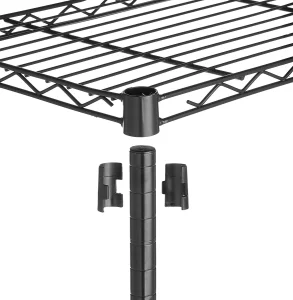
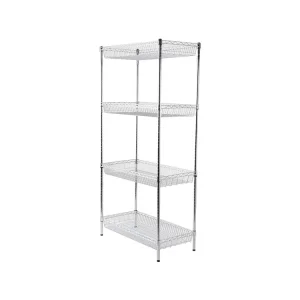
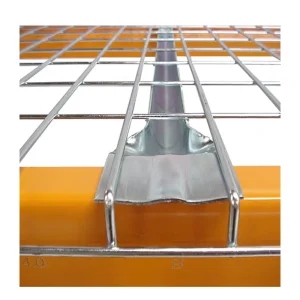
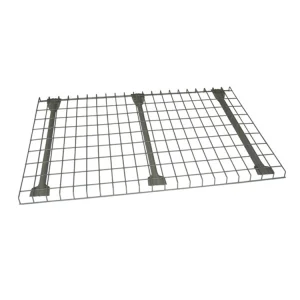
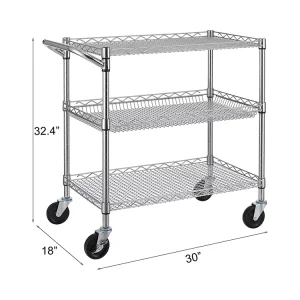
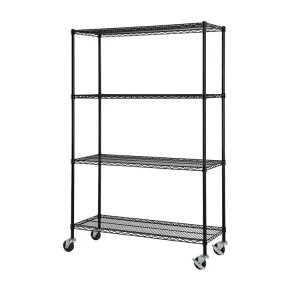
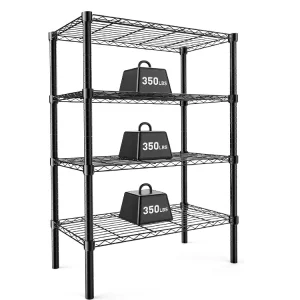
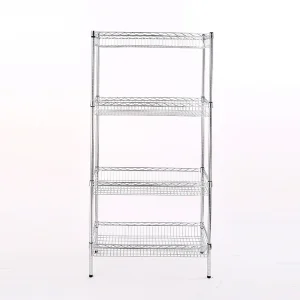
Designed for cold storage and freezer applications. Open wire wire mesh structures facilitate airflow, preventing frost build-up and ensuring consistent cooling. Corrosion-resistant finishes like zinc plating or stainless steel prevent rust in high-moisture environments.
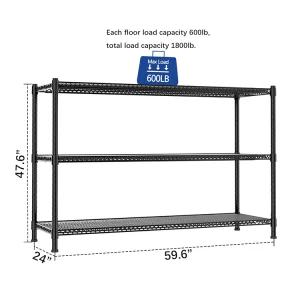
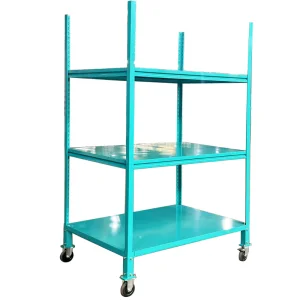
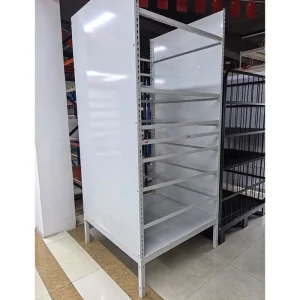
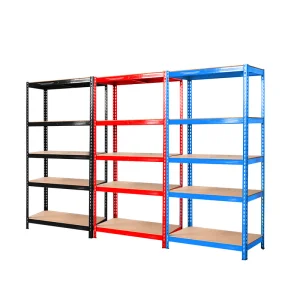
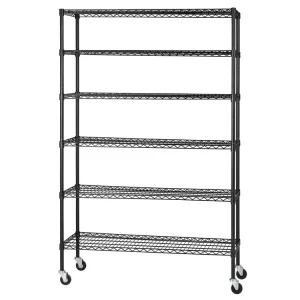
Designed for high-frequency order picking. High-density wire shelves and boltless metal racking accommodate diverse, fast-moving inventory. These modular layouts can be reconfigured quickly to match changing seasonal demands.
Built with tight dimensional tolerances for automated guided vehicles. Structural alignment, guidance tracks, and base plates are engineered to interface smoothly with warehouse robotics and sensor systems.
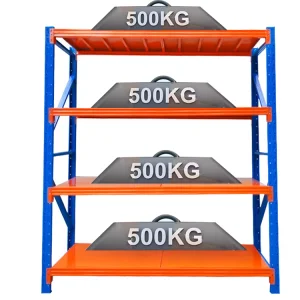
Heavy-duty, high-capacity pallet racking designed for heavy raw materials and manufacturing inventory. These systems feature impact protection barriers and robust beam connectors to handle daily forklift operations.
Enterprise logistics installations must comply with local safety regulations. Working with an experienced exporter ensures that storage systems meet the necessary regional certifications. We design and manufacture our products to comply with standard global frameworks:
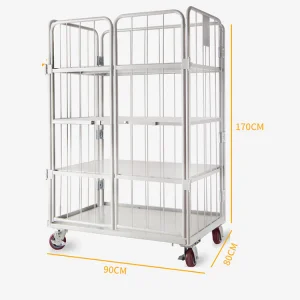
Explore our range of heavy-duty pallet racks, industrial wire shelving, and warehouse transport cages.
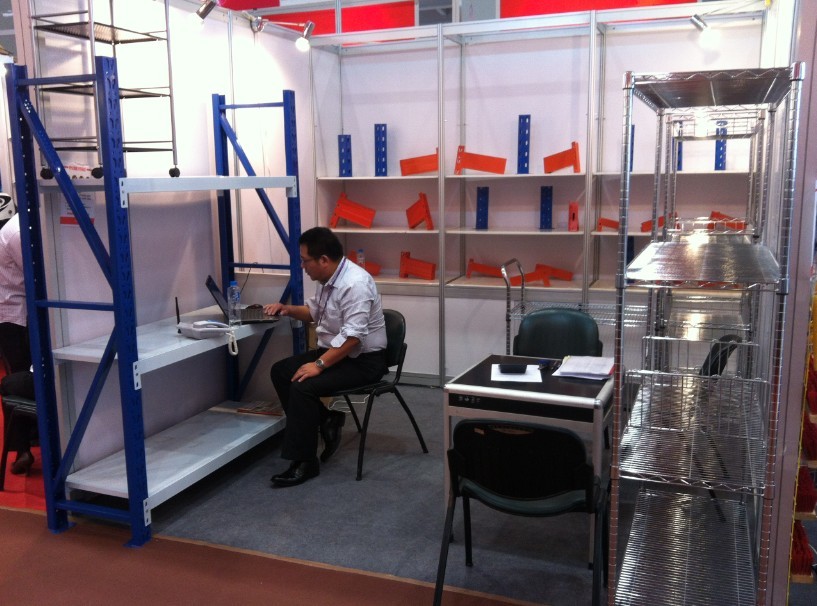
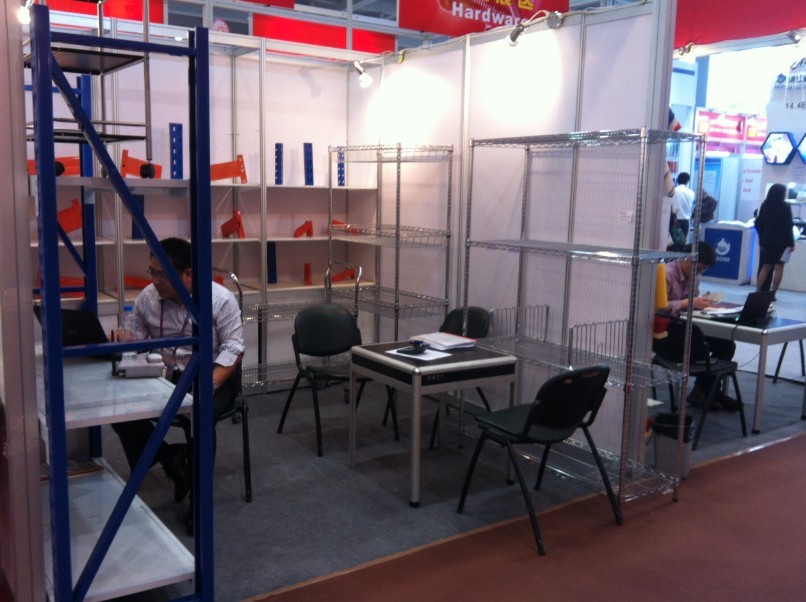
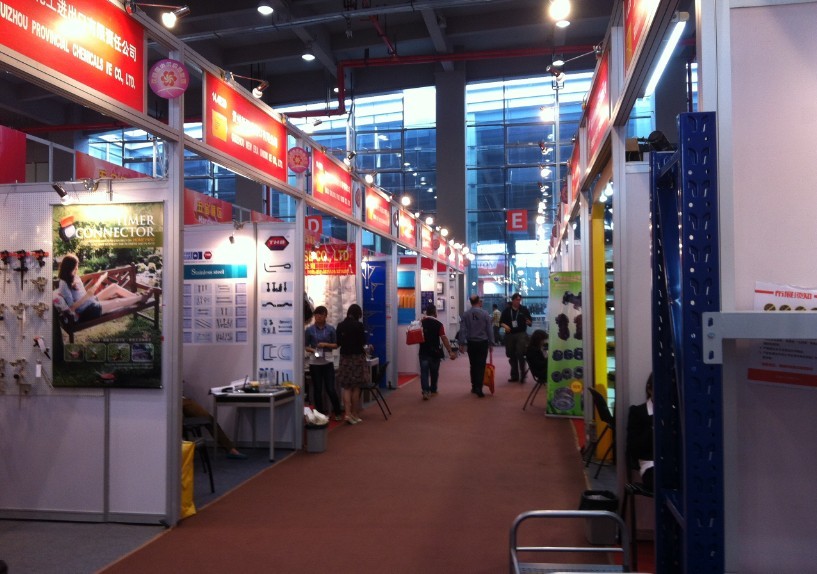
Connecting with global logistics buyers and distribution partners to build long-term, reliable relationships.
Technical answers to key structural, manufacturing, and shipping questions for global procurement teams.
 AomeRack